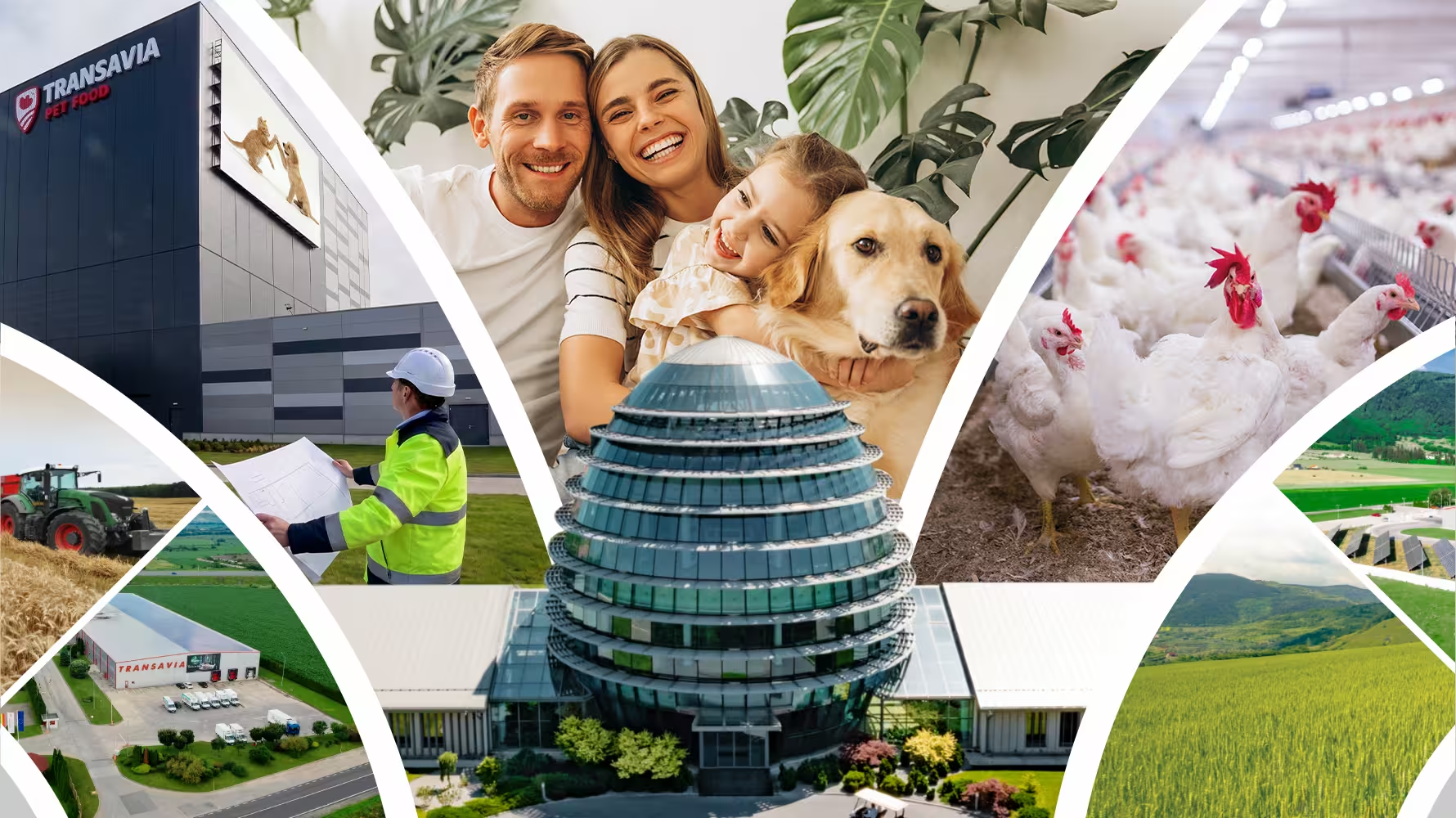
Circular economy: from bean to fork and bowl
At TRANSAVIA, waste is viewed as a resource, not as an inevitable result of production. We apply circular economy principles in all our activities, respecting the European waste management hierarchy: prevention, reuse, recycling, recovery and, only as a last resort, disposal.
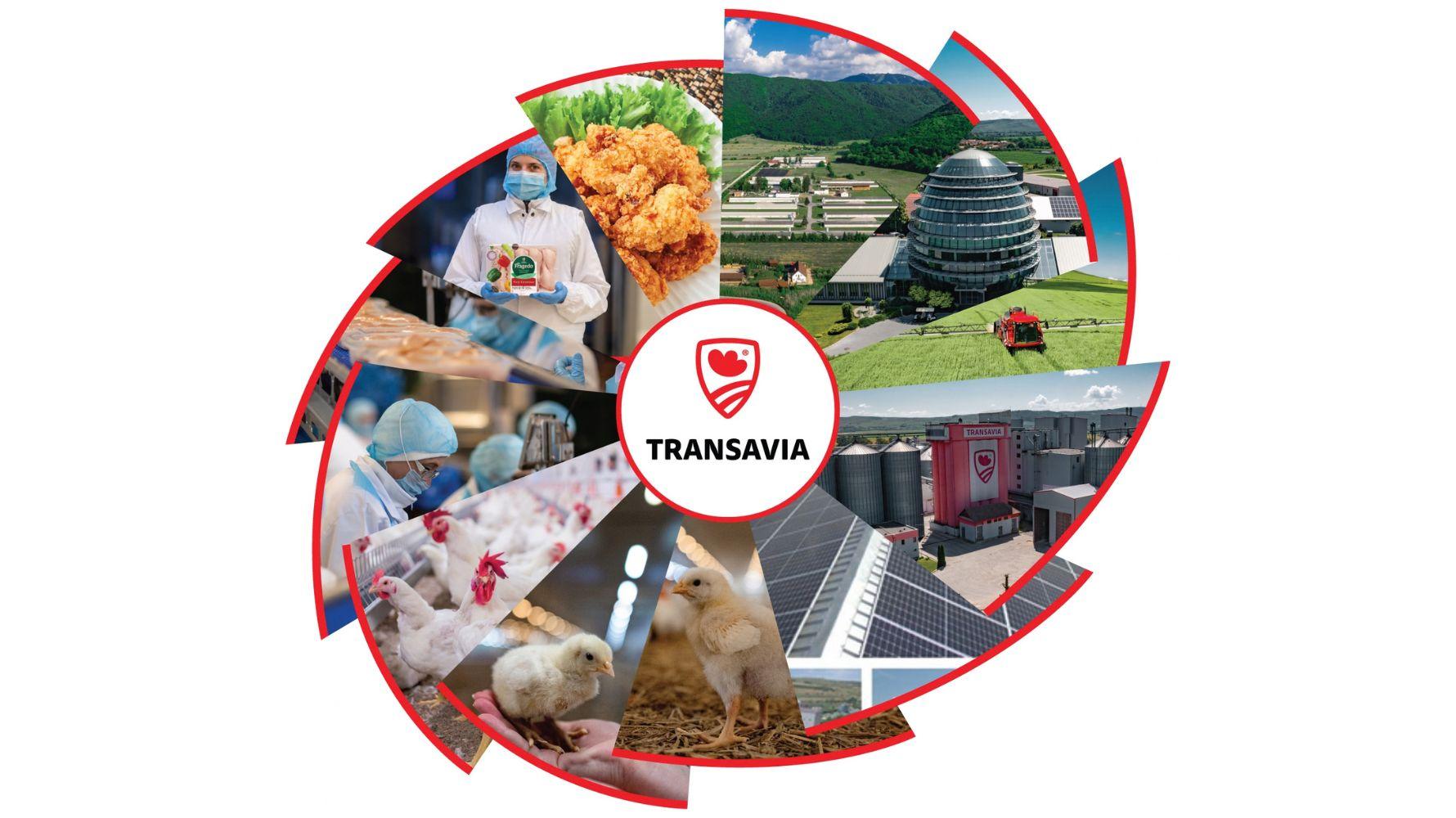
Our integrated farm-to-fork model allows us to transform most of the secondary materials resulting upstream into useful resources utilized in another downstream activity:
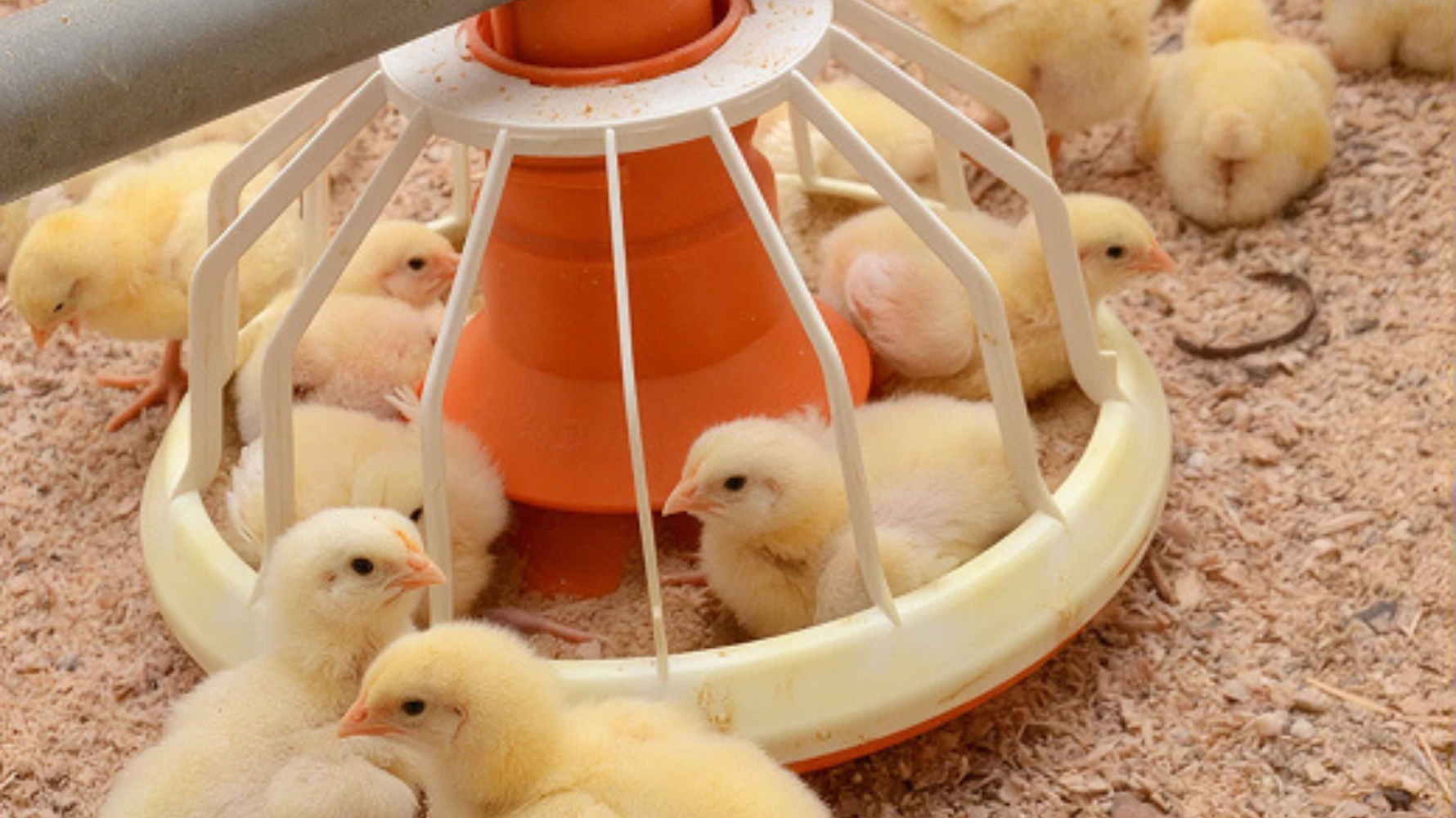
- Straw resulting from cereal cultivation is used as bedding in our chicken farms.
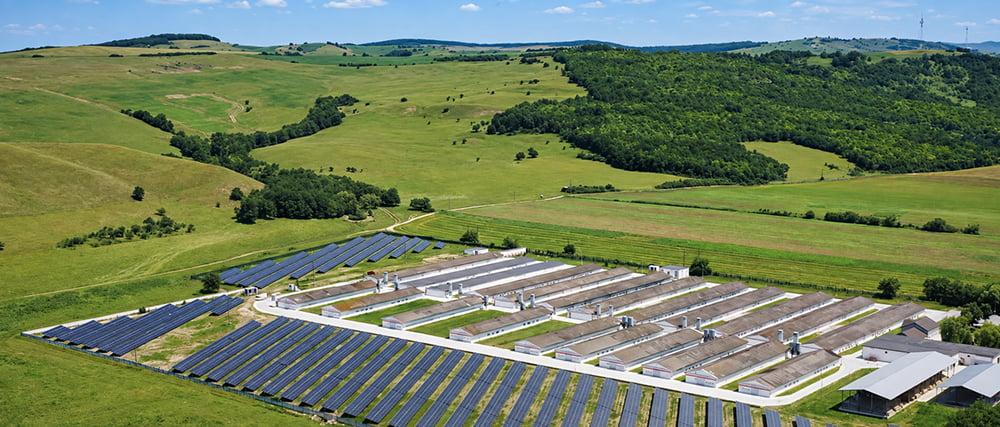
- Manure is composted and used as organic fertilizer on the farm's own agricultural land, helping to reduce the use of mineral fertilizers and maintain soil fertility.
- From the activity of the Compound Feed Plant, we have a raw material that goes to poultry breeding farms, but we also have a secondary material: plant waste, seed hulls, which we also provide to be used in agriculture, either for animal breeding or in agriculture.
- At the same time, the sludge from its own wastewater treatment plants is utilized in agriculture, under controlled conditions and in accordance with fertilization plans drawn up on the basis of soil analyses.

Through our ZERO Waste policy, we responsibly utilize by-products not intended for human consumption at the largest and most modern protein meal plant in the country, built by TRANSAVIA in Alba County. Feathers, viscera, and other by-products are transformed into ingredients used in the pet food industry and biofuel production. In this way, we reduce waste by over 99%, transform resources that would otherwise require disposal into value-added products, and reinforce our circular economy model through which we reduce waste and responsibly use resources.