
Animal welfare – an essential component of business ethics at TRANSAVIA
Integrated into our values and sustainability strategy, animal welfare is a key priority for both the company and consumers, which is why we give it constant and dedicated attention. Through rigorous policies and standards, we ensure that the birds raised within the company enjoy the best welfare conditions throughout their lives. Thus, we are committed to offering high-quality animal products obtained in a responsible and ethical manner.
The Five Freedoms of animals
We monitor and improve animal welfare throughout the entire value chain by taking into account the 5 freedoms of animals (according to the World Organisation for Animal Health):
- Free of hunger, malnutrition, and thirst;
- Without fear and suffering;
- No thermal stress or physical discomfort;
- Without pain, injuries, and diseases;
- The freedom to express normal patterns of behavior.
We follow these principles at all stages of the value chain.
TRANSAVIA's commitment to ensuring animal welfare is reflected in our daily actions
We ensure that the birds are handled with care and respect at all stages, from breeding to slaughter, and conditions influencing their welfare are continuously improved. We have implemented strict protocols for the careful handling of the birds so that they do not suffer unnecessary harm or discomfort.
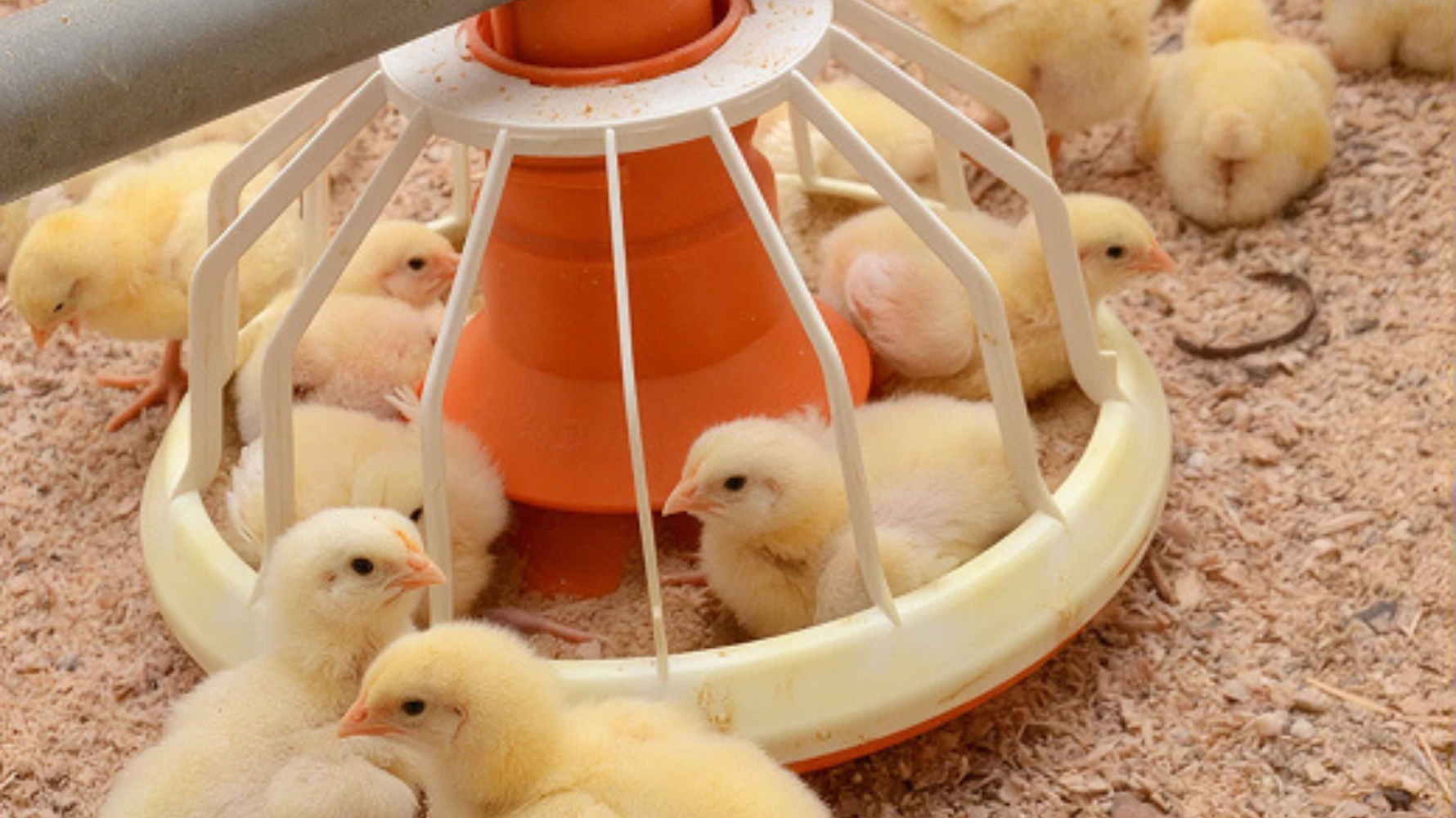
We ensure the proper shelter for the birds, with clean and comfortable spaces that allow them to express their species-specific natural behaviors. Our chicks have growth conditions ensured exclusively through automated processes. Feeding, watering, and monitoring of living conditions are permanently supervised by sensors. Both state-of-the-art technology and the permanent presence of qualified personnel, consisting of veterinarians and veterinary technicians, contribute to the welfare of our chicks.
The halls are specially designed and built for this purpose, being equipped with modern facilities that ensure the comfort and well-being of the chicks.
The bedding used in the rearing houses comes from a reusable source. Thus, plant debris, namely straw obtained from harvesting the cereals used for poultry feed, is collected, chopped, and used exclusively to create the bedding in the houses.
Our requirements exceed the provisions of the legislation on chicken welfare:
- Bird density is reduced by 15% compared to the density resulting from the application of the minimum mandatory requirements regarding the minimum surface area allocated for each category of birds.
- Emissions from broiler housing are reduced by 30%.
Learn more from the latest TRANSAVIA Sustainability Report
The Global S.L.P. standard respected by TRANSAVIA establishes clear and rigorous requirements for animal welfare, ensuring that the birds are treated with respect and provided with an appropriate environment. This standard includes requirements regarding stocking density, feed and water quality, hygiene and health management, as well as respect for the natural behavior of the birds.
Respecting the natural behavior of birds: Certification according to the Global S.L.P. standard provides assurance that birds are treated with respect and allowed to exhibit the natural behavior specific to their species. This includes ensuring sufficient space for movement, facilitating natural behavioral activities, and avoiding practices that may cause them stress or suffering.
Transparency and accountability: Certification according to the Global S.L.P. standard highlights our commitment to transparency and accountability. Stakeholders, including customers and consumers, can trust that our birds are raised in a healthy environment and are given the necessary attention to develop optimally.
Animal health planning
We strictly comply with regulations, have a scientific approach, and are guided by the „One Health” concept, which recognizes that human health is linked to animal and environmental health. Thus, we act ethically and responsibly to ensure the welfare and health of our poultry. We focus on a diet appropriate to the chicks' development stage, balanced nutrition, and optimal housing conditions to support the healthy and natural growth of our birds. We fulfill our ethical obligation to ensure animal welfare and treat them when necessary, when they are sick, and when required to control diseases. We involve veterinarians and strictly adhere to veterinary protocols. We have well-defined poultry health management programs that include regular evaluations and monitoring of the birds' health status. We are committed to using medical treatments only when absolutely necessary and solely under the supervision of the veterinarian, who plays an essential role in planning and implementing these programs, ensuring that the birds receive proper care and treatment.
Through the Responsible Antibiotic Use Policy, TRANSAVIA ensures a healthy and safe environment for animals and consumers, and the responsible use of antibiotics is an integral part of our commitment to animal welfare and food safety. We use alternative methods, such as vaccination and proper nutrition, to strengthen the animals' immune system and reduce the need for antibiotic treatments. We comply with national and international regulations and guidelines regarding the use of antibiotics and other medical substances in broiler chicken production. Our priority is to ensure that treatments are administered responsibly and in accordance with safety and efficacy standards. This approach reflects our firm commitment to the production of healthy, high-quality, and natural poultry meat. We are aware of the importance of reducing antibiotic use in poultry farming to minimize the risk of bacterial resistance and to promote a healthier and safer environment for animals and humans. Compliance with our commitments regarding the responsible use of antibiotic is a priority for us, and our team constantly works to ensure compliance with these principles and to promote animal health in a safe and sustainable manner.
„We act on the principle of prevention, early detection, and mitigation of chick health issues. Thus, when necessary, we use specific antibiotics ONLY for curative purposes, as treatment for various bird diseases, under the prescription and supervision of the veterinarian. From the date the antibiotic treatment is completed until slaughter, we observe the „withdrawal period,” so that there are no antibiotic residues in the meat.”. MARIAN SABĂU – Quality and Food Safety Division Director, TRANSAVIA