
What does it actually mean to produce safe and quality chicken meat, as it should be?
There is a question that few consumers ask in front of the shelf: if a product is safe for consumption, does that automatically mean that it is of good quality? The answer is: no. Food safety it is the promise that the product will not harm you, and quality It is the promise that you will like it so much that you will come back. In other words, safety is the basic condition, without which a food cannot reach the market, and quality is what transforms that food into an option that the consumer makes again and again.
We pick up a tray of chicken meat from the shelf, check the expiration date, maybe the color of the meat, and then put it in the basket. The gesture takes a few seconds and we may not think too much about it when we do it. If you ask ten people how they know they have chosen good chicken meat, you probably get ten different answers: some would talk about the color, others about the smell, the texture, or how tender it remains after cooking. No one is wrong; just that none of these answers tells the whole story of a chicken that is made the right way, because a chicken does not become „safe” the day it is processed and „quality” the moment it is packaged. Both are built throughout the entire production chain through thousands of decisions made long before the product reaches the store. Some depend on the quality that the consumer will feel later on in the dish, taste, firmness, juiciness, texture, aroma, and others will never be noticed, although they are the ones that make the difference for a product that meets the standards and in which you can trust every time.
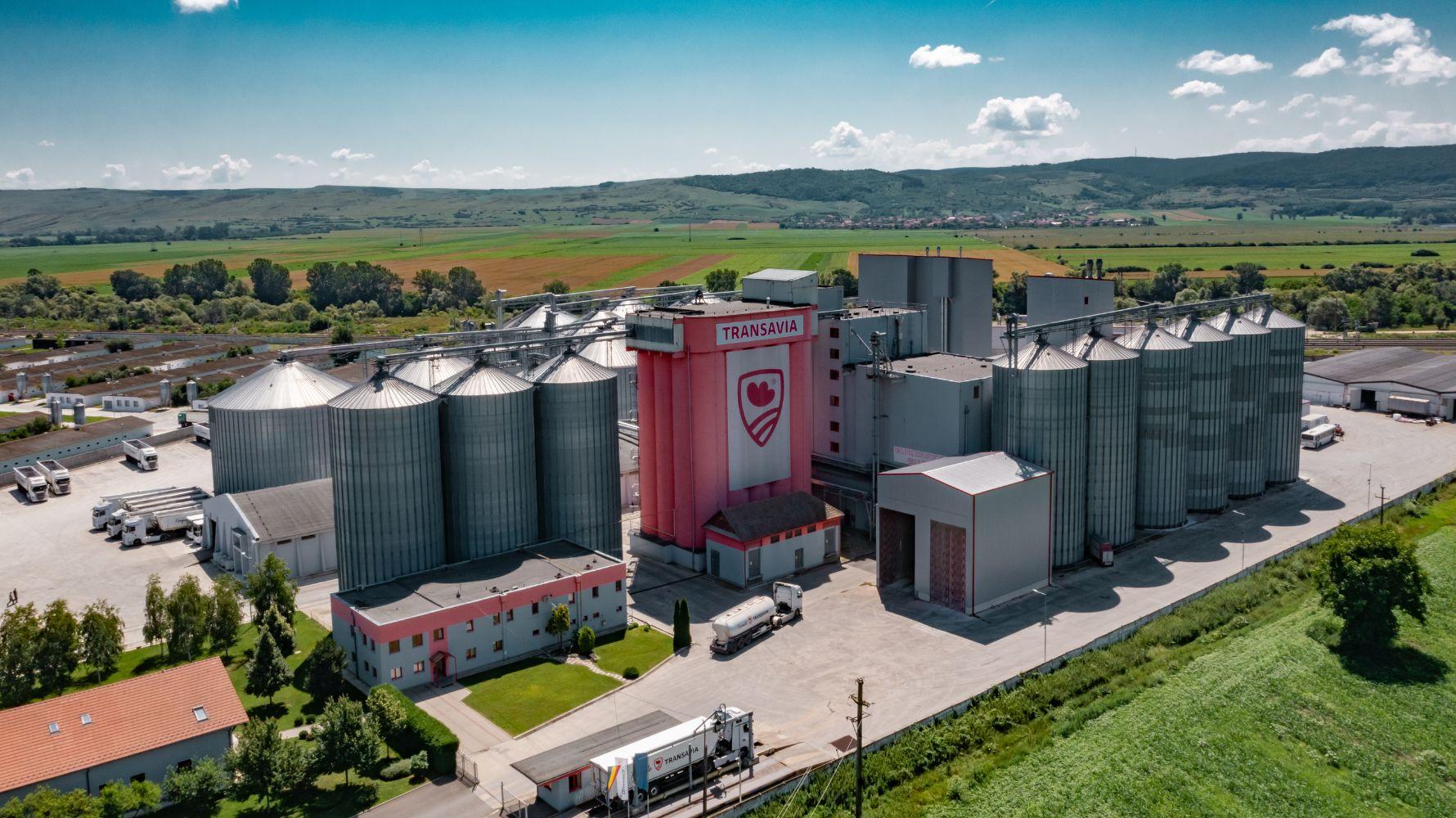
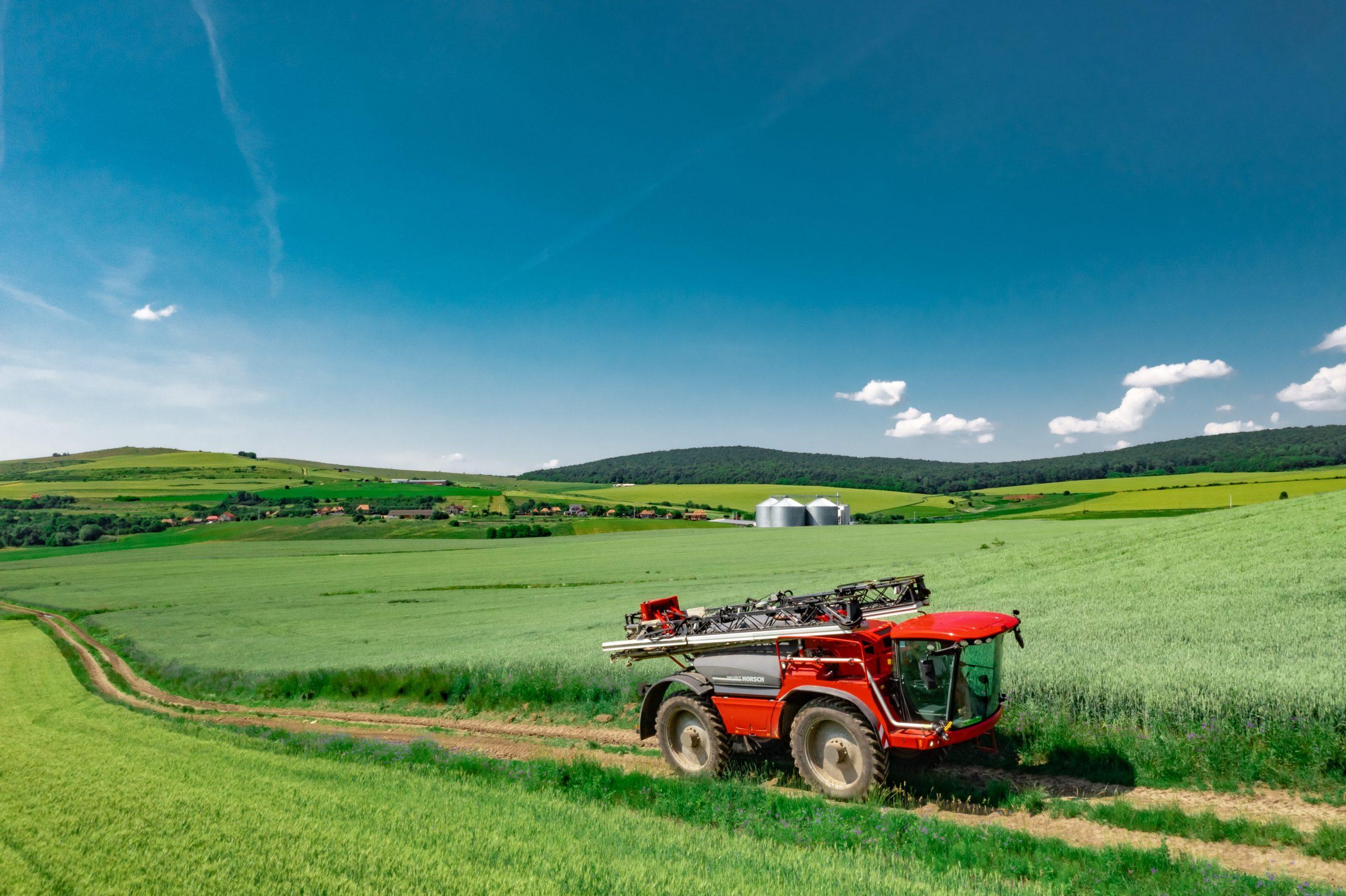
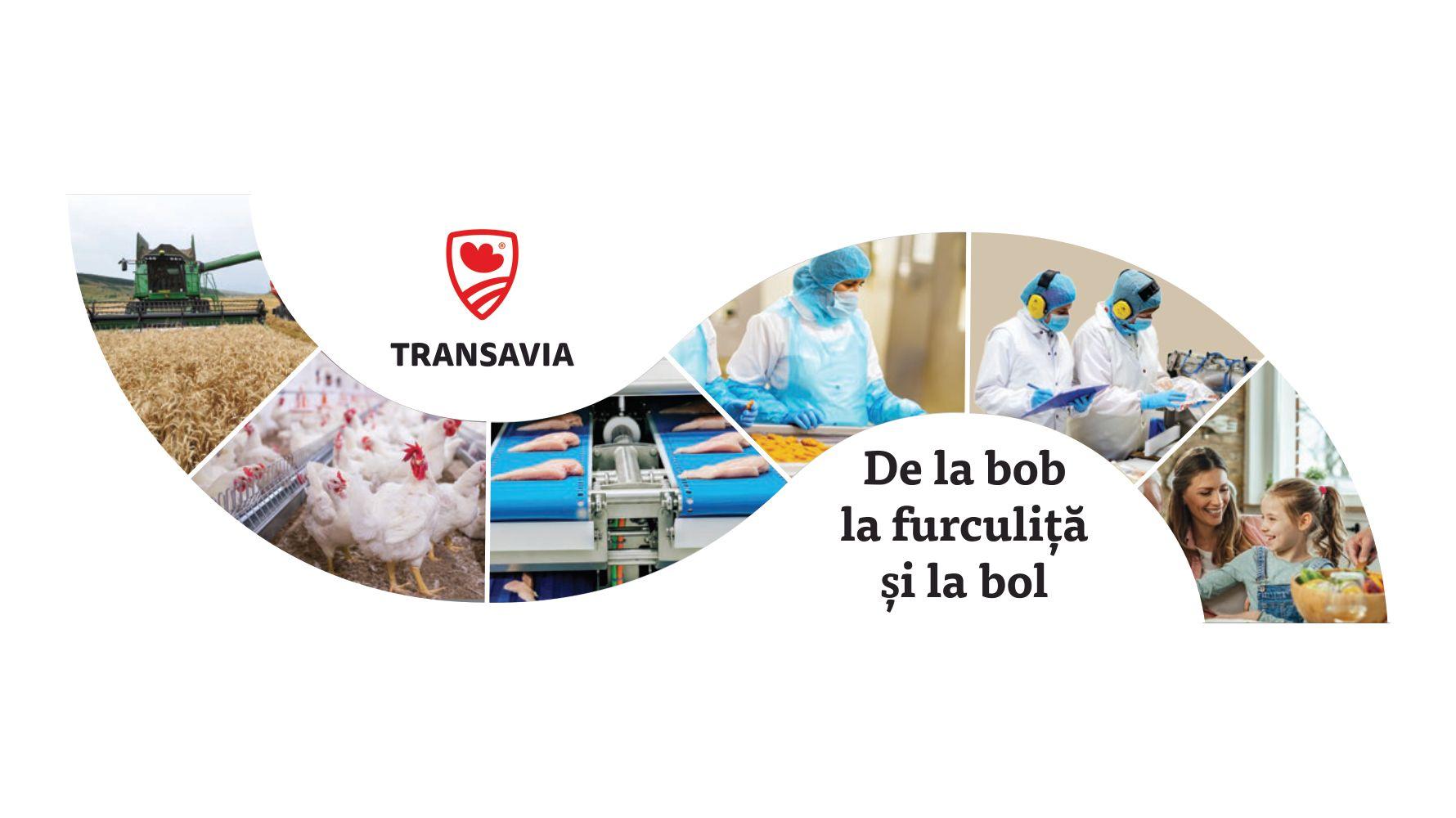
In an integrated system from bean to fork, with its own facilities such as the one developed by TRANSAVIA, the first chapter is written in the vegetable farms, where the cereals that will become food for the birds are grown. From here, each stage influences the next: the combined feed factory, the growing farms, processing, packaging, and logistics. Each plays its own role, but they all pursue the same promise: when the consumer picks up the product from the shelf, they do not have to wonder whether it is safe or whether it will have the same quality they expect every time.
Because before it’s pink and juicy and sweet with a captivating aroma, a piece of chicken is a result of decisions that the consumer will never see: the quality of the feed, hundreds of laboratory tests, an optimal temperature in the farms, a result that appears on the screen of an analysis device, a veterinarian who decides that everything can continue, a correct rhythm and process in the slaughterhouse and the processing plant. Each stage answers a different question, but together they answer one question: we can trust what we put on the table.
The first question is surprisingly simple: What do we feed the chicks with? Food is the first place where safety and quality meet. For a veterinary nutritionist, a feed recipe is not just corn and other grains; it is the balance between energy, proteins, amino acids, vitamins and minerals, adapted to each growth stage. This is also where strict control begins: the raw materials are analyzed before entering the Combined Feed Plant, and each batch is checked to ensure that what reaches the farm meets the same standards every time. The raw materials are analyzed, the recipes are adjusted, and the technological process is designed so that risks are reduced even before the bird encounters them. High-temperature granulation contributes to microbiological control, and functional ingredients such as prebiotics and probiotics support the development of a healthy intestinal microbiome. A consumer will not feel the „taste of an amino acid” and will not see the result of an NIR analysis either, but they will find it in what matters to them: a tender meat with good flavor and consistent characteristics.
The second question is equally important: How do you keep the puppies healthy without waiting for problems to arise? For a visitor, it may seem strange that the first things they see when they arrive at a TRANSAVIA farm are not the calves, but the rules: separate circuits, controlled access, hygiene measures strictly followed with a rigour that, from the outside, seems almost excessive. Only when you realize that their purpose is to prevent the entry of pathogens do you begin to look at the farm differently. Biosecurity is not about solving a problem; it is about doing everything possible to ensure that it does not exist.
The third question is: How do you keep all that you have built so far? In the slaughterhouse and processing plant, speed is not about productivity, but about precision. Every step is carefully controlled to protect the safety of the food and the characteristics of the meat: tenderness, texture, freshness, and quality. Rapid cooling or freezing, compliance with technological parameters, and continuous monitoring of the process ensure that what is built on the farm arrives unchanged until packaging.
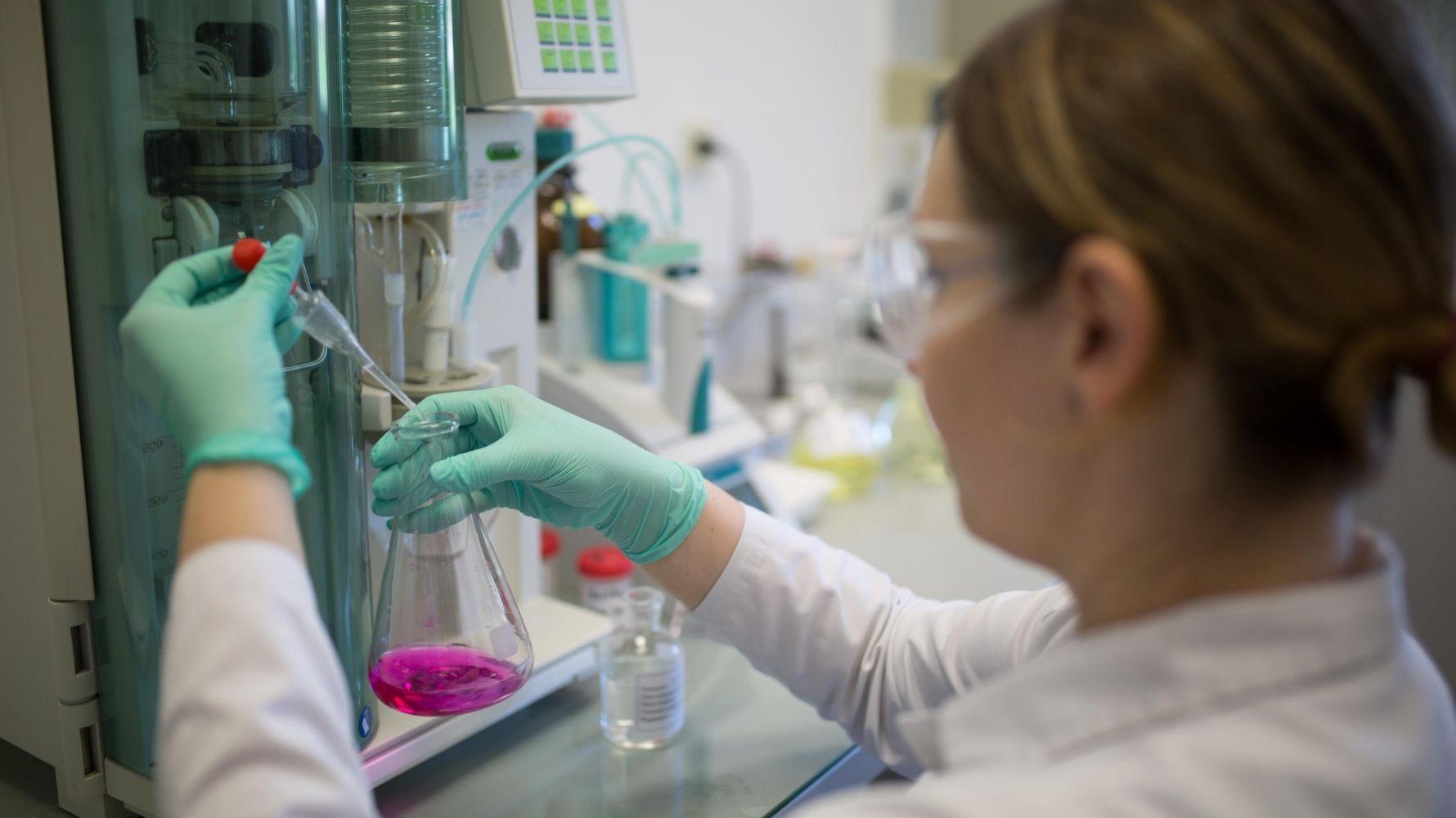
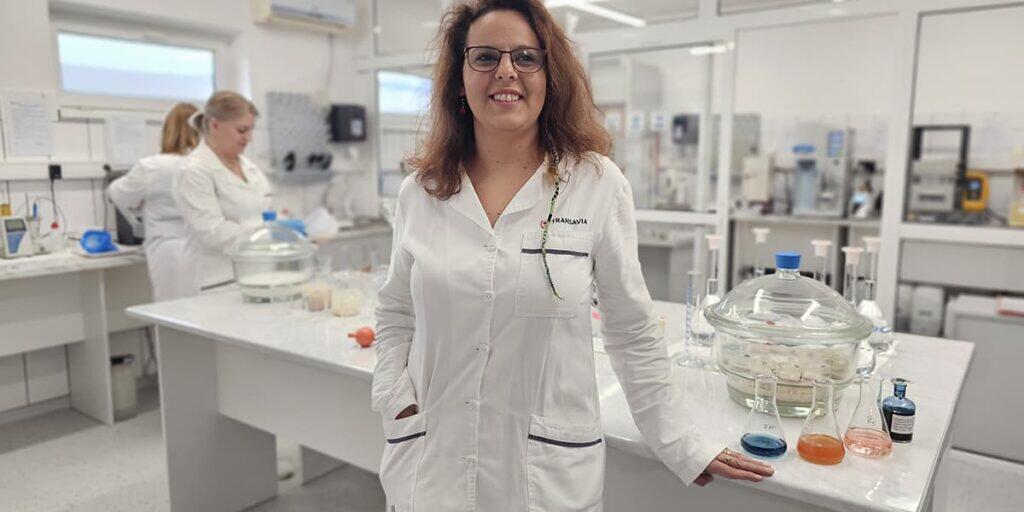
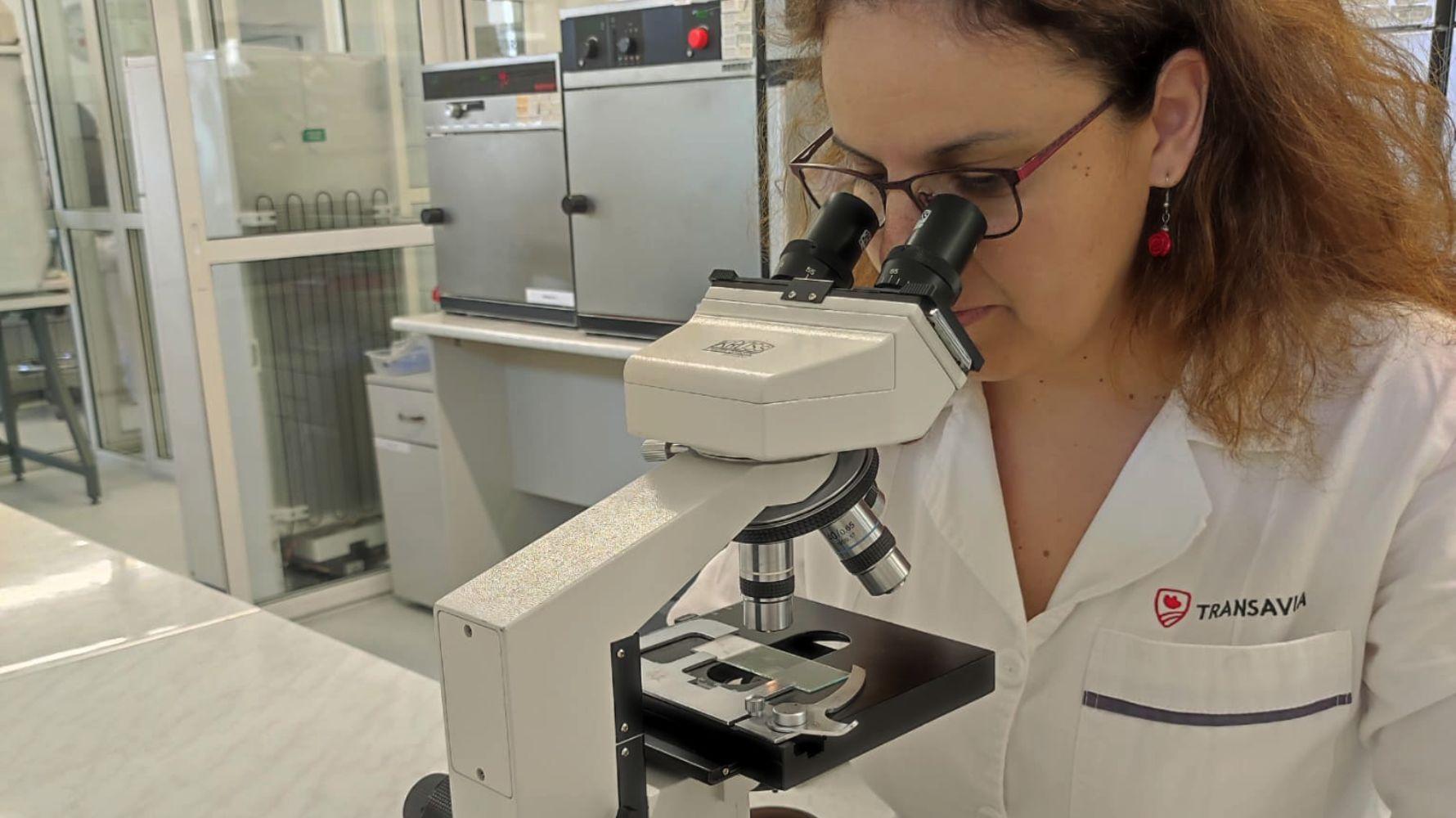
And yet, even when all these measures are in place, the story doesn’t stop. Next come the laboratories, the place where impressions disappear and evidence begins to emerge. A meat product may look flawless and, yet, what matters most is to remain invisible. Salmonella, Campylobacter or Listeria It does not change the color or the smell of the product. Therefore, laboratories look for what our senses cannot detect: microorganisms, chemical residues, foreign bodies, or any element that could compromise the safety of the food.
Only after all these stages does the part that the consumer immediately recognizes begin: a uniform, pleasant pink-orange color, a firm texture, a fresh aroma, precise marbling, tender meat that retains its juiciness after preparation. These are the visible signs of a process that was done properly, which until then remained completely hidden. Even freshness depends on a succession of decisions: packaging in a protective atmosphere, maintaining the correct temperatures during transport and storage until the product arrives at home and is ready to be cooked.
Perhaps this story is never told in its entirety on the label, although behind some printed information lies months of work, the collaboration between thousands of professionals who do things the right way—agronomists, veterinary nutritionists, veterinarians, microbiologists, and processing technologies—as well as thousands of checks that will never be visible to the consumer. Ultimately, A safe and quality product of chicken meat is not just what we see on the shelf or what we cook, but it is everything that has happened before, from the seed to the fork. And perhaps the greatest achievement of an integrated system 100% with its own facilities is precisely this: when all the invisible things are done as they should, the only thing we notice is how safe and good our favorite product of chicken meat is, every time.
Safety indicators of chicken meat
Safety guarantees that the product is 100% safe for consumption and does not present biological, chemical, physical or allergenic risks that could affect the consumer's health.
- Biosecurity – rigorous measures to prevent the introduction and spread of pathogenic agents in locations, through access control, hygiene, monitoring of the health status of personnel, and compliance with biosecurity programs.
- Microbiological control – compliance with legally regulated limits (e.g., Salmonella, Campylobacter, Listeria, E. coli)
- Control of chemical residues – monitoring and confirmation of the absence of antibiotic residues, heavy metals, PFASs, dioxins and aflatoxins.
- Control of foreign bodies – the verification of products to eliminate the risk of the presence of foreign bodies (metal, plastic, bone fragments, etc.).
- Maintaining the cold chain – compliance with the storage and transport temperatures (0–4°C for refrigerated meat and maximum -18°C for frozen products), without interrupting the refrigeration chain.
Quality indicators of chicken meat
Quality represents the set of characteristics perceptible to the consumer.
- Nutritional value – balanced profile of essential amino acids, high protein content (18–22%), low total and saturated fat levels, optimal ratio of Omega-3 and Omega-6 fatty acids, and natural intake of vitamins and minerals (B3, B6, B12, iron, zinc and selenium).
- Color – uniform shade, natural pink, resulting exclusively from the corn-based feed matrix and natural carotenoids, not from additives.
- Texture and firmness – Dense and elastic muscle fiber, upon pressure, the tissue immediately returns to its original shape.
- Aroma – fresh, characteristic odor, without specific notes of protein degradation (ammonia, hydrogen sulfide).
- Appearance of the product – clean and uniform surface, without hematomas, blood spots, residual feathers or other visible defects
- Freshness – for refrigerated products it is maintained by packaging in a protective atmosphere (MAP)
- Water absorption index