

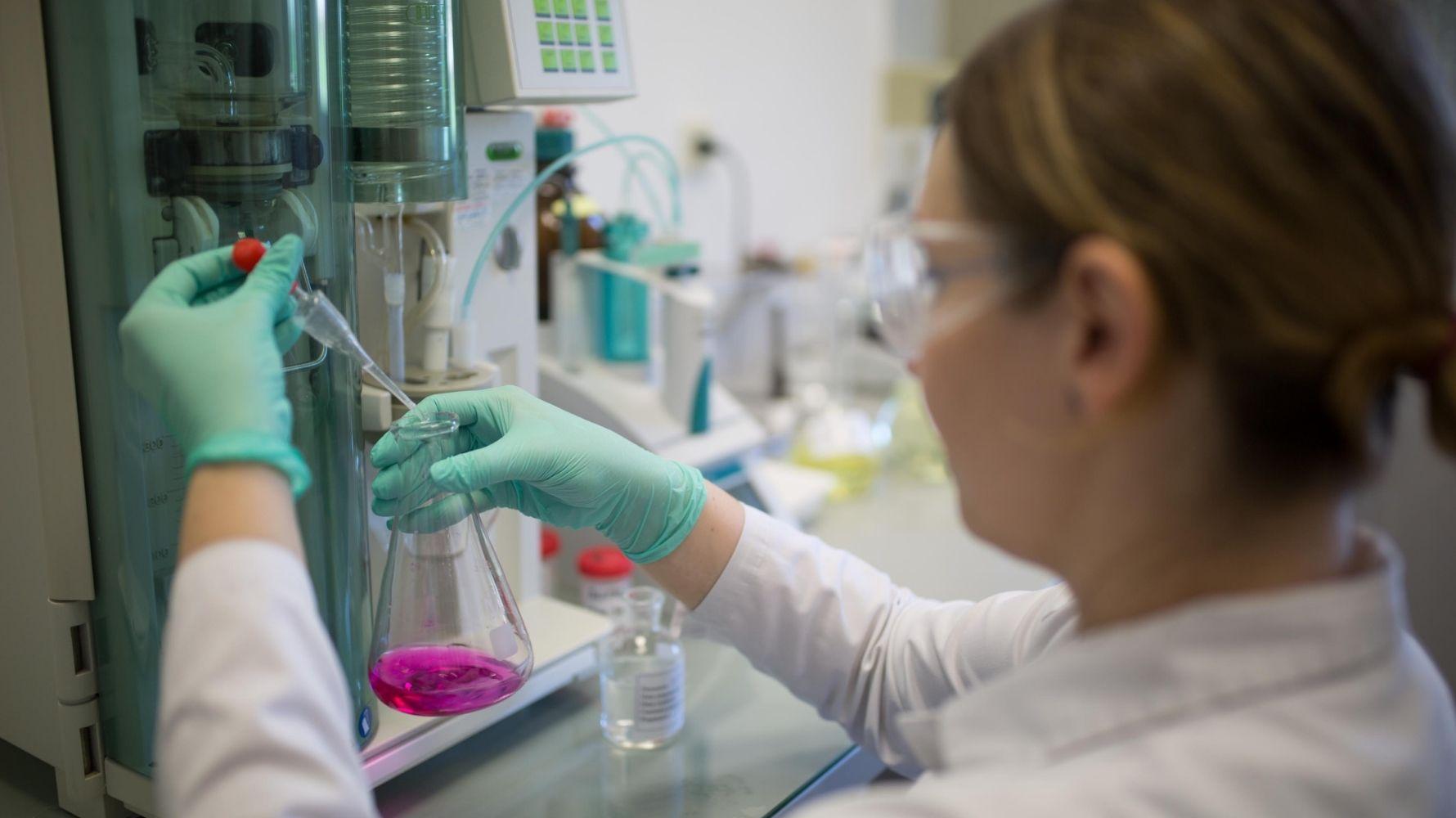
Every year, when talking about food safety, attention inevitably turns to the number of cases of food poisoning. It is an important indicator, but it does not tell the whole story. Increasingly, European experts are drawing attention to the fact that the true performance of a food system is not measured only by how many people have become ill, but by how many illnesses have been prevented before they occur. This is also one of the messages that the European Food Safety Authority (EFSA) conveyed during the World Food Safety Day 2026. Based on estimates by the World Health Organization, which indicate that contaminated foods cause approximately 866 million cases of illness and over 1.5 million deaths worldwide, The EFSA emphasizes that the response does not consist only in treating the consequences, but in strengthening prevention through science, rigorous risk assessment and evidence-based policies.
Food safety starts with the right questions
For most consumers, food safety means that the product they buy does not endanger their health. For scientists, however, the question is more complex: how serious is a disease transmitted through food? What effects does it have in the long term? What impact does it have on the health system, the economy, and society? This approach is one of the directions that EFSA is developing within the concept. One Health, According to that, human health, animal health and environmental health cannot be analyzed separately. In other words, a safe food system begins with the health of animals, continues with production processes controlled, and ends with decisions based on data and scientific evaluations.
In industry, the most important results are those that are not visible
There is a paradox of food safety: the better a system works, the less visible the work behind it becomes. The consumer sees the product on the shelf, but they do not see the microbiological analyses, monitoring plans, risk assessments, the validation of technological processes, or the ongoing controls that made that product safe on their table. In this sense, the EFSA message is relevant for the food industry as well: Science does not intervene only when a problem arises, but before it even exists.. Risk assessment, data collection and continuous monitoring are prevention tools, not just reaction ones.
Prevention is the most effective investment in safety
In the food industry, success is rarely spectacular, because it is seen precisely through the absence of incidents.
Every validated procedure, every laboratory analysis, every traceability check and every biosecurity measure reduces the likelihood that a risk will reach the consumer. That is why investments in laboratories, control systems, training of people and the digitalization of monitoring are not just compliance requirements but mechanisms through which food safety is built every day.
Beyond the numbers
Perhaps the most important idea conveyed by EFSA is that food safety should not be evaluated solely by the number of reported incidents. Behind favorable statistics lie years of research, complex surveillance systems, and thousands of decisions based on scientific evidence. For the food industry, the best proof that a system is working is not the quick response to a crisis, but its ability to prevent the crisis before it occurs.
Safety indicators of chicken meat
Safety guarantees that the product is 100% safe for consumption and does not present biological, chemical, physical or allergenic risks that could affect the consumer's health.
- Biosafety – rigorous measures to prevent the introduction and spread of pathogenic agents into locations, through access control, hygiene, monitoring of the health status of personnel, and compliance with biosafety programs.
- Microbiological control – compliance with legally regulated limits (e.g., Salmonella, Campylobacter, Listeria, E. coli).
- Chemical residue control – monitoring and confirmation of the absence of antibiotic residues, heavy metals, PFASs, dioxins and aflatoxins.
- Foreign body control – checking products for the removal of the risk of the presence of foreign bodies (metal, plastic, bone fragments, etc.).
- Maintaining the cold chain – compliance with storage and transport temperatures (0–4°C for refrigerated meat and maximum -18°C for frozen products), without interrupting the cold chain.