

Why the future of a category often starts with a question asked over dinner
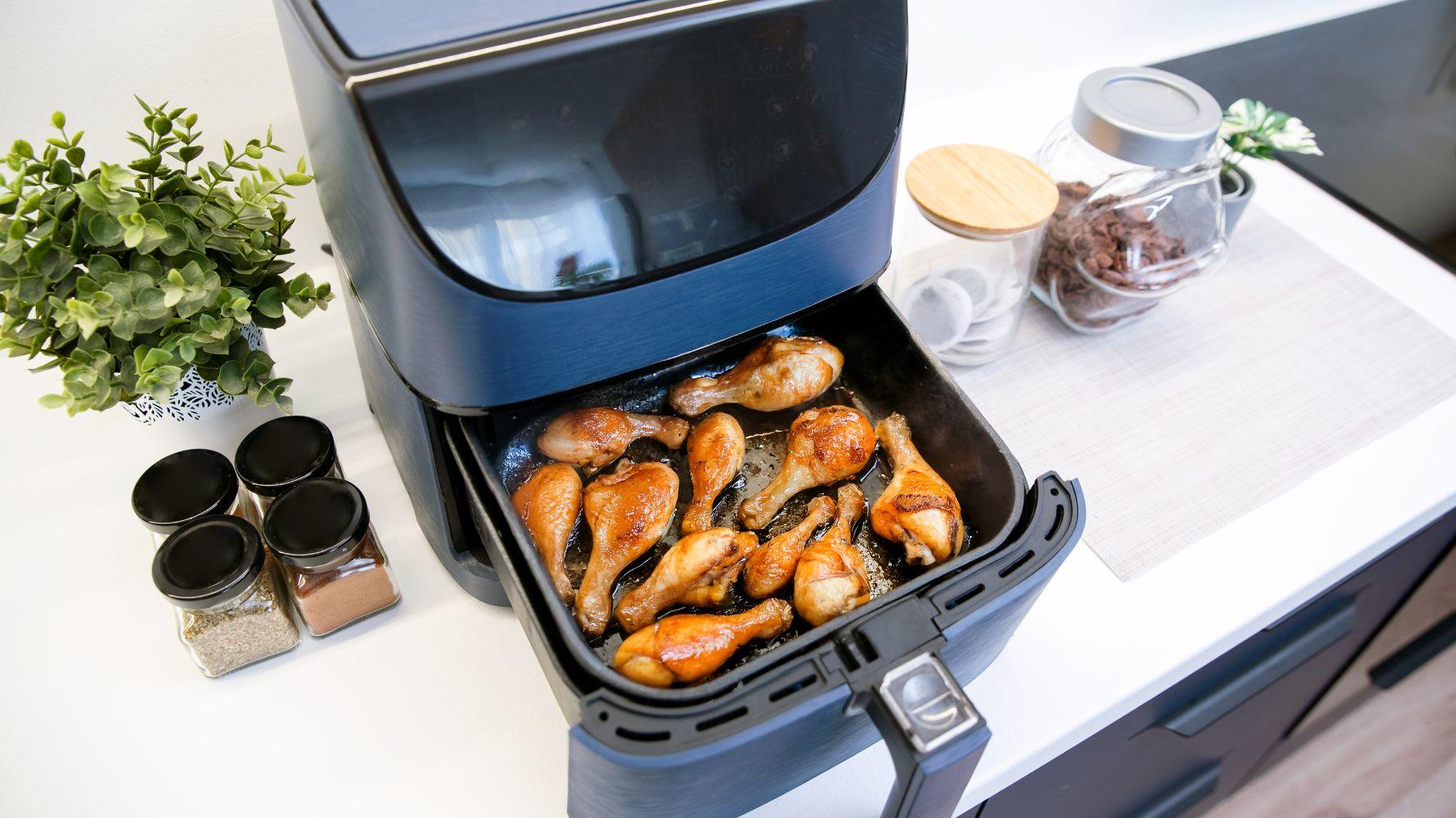
A few years ago, few Romanians talked about air fryers. Today, millions of people are looking for recipes adapted for this cooking method. The same thing happened with ready-to-cook meals in just a few minutes, with flavors inspired by cuisines around the world or with generous portions for family meals. Food habits don’t change overnight, but when you look closely, the first signs always appear. This is one of the most interesting things in the food industryTrends don’t start in factories or in supermarkets, They start in kitchens, in restaurants, in conversations between people, in the way they organize their day and in the decisions they make when time becomes more valuable than the perfect recipe.
That is why at TRANSAVIA, identifying a new trend does not mean following a list of predictions published at the beginning of each year; it is rather an effort to understand in advance how people’s lives are changing and what these changes mean for their daily meals. Sometimes the answers come from market studies and consumer behavior research, other times they arise in direct discussions with families, product testing, or feedback received after the launch of a new range. Our teams constantly monitor how consumer preferences evolve, as well as broader societal changes: the pace of life, the focus on health, the interest in new culinary experiences, or the way technology changes the way we cook.
Equally important are the signals coming from outside the home. Restaurants, cafes and professional kitchens are often the places where the first combinations of ingredients, the first culinary influences and the first changes in taste emerge, which a few years later end up in the home menus. The TRANSAVIA teams closely monitor developments in the HoReCa sector, participate in international trade fairs, discuss with specialized partners and suppliers, and analyze markets in which certain trends have already begun to take shape.
However, no single signal is enough to justify the development of a new product. A trend becomes relevant only when it is confirmed from multiple directions. If what the studies show is supported by what retailers observe, what restaurants propose, and what consumers say, then the real question begins: is this a temporary change or one that will remain? The integrated TRANSAVIA model allows these responses to be quickly transformed into concrete solutions. Because product development, production, quality control, and relationships with partners are connected, ideas can be analyzed, tested, and refined at a pace that maintains the same standard of quality and food safety.
Perhaps this is, in fact, the most important thing about trends when setting the tone in the market: they are not followed because they are fashionable or transformed into products just because they appear in international reports. They are filtered through a much simpler question: Will this idea make people's lives easier, their meals better, or their choices more appropriate?
Every new product contains, first and foremost, hundreds of pages of research, dozens of conversations and countless observations about the way we live. As a market leader, you know for sure that before you can predict the future of a category, you must very well understand the present of the people who build it day by day.