
What you need to know
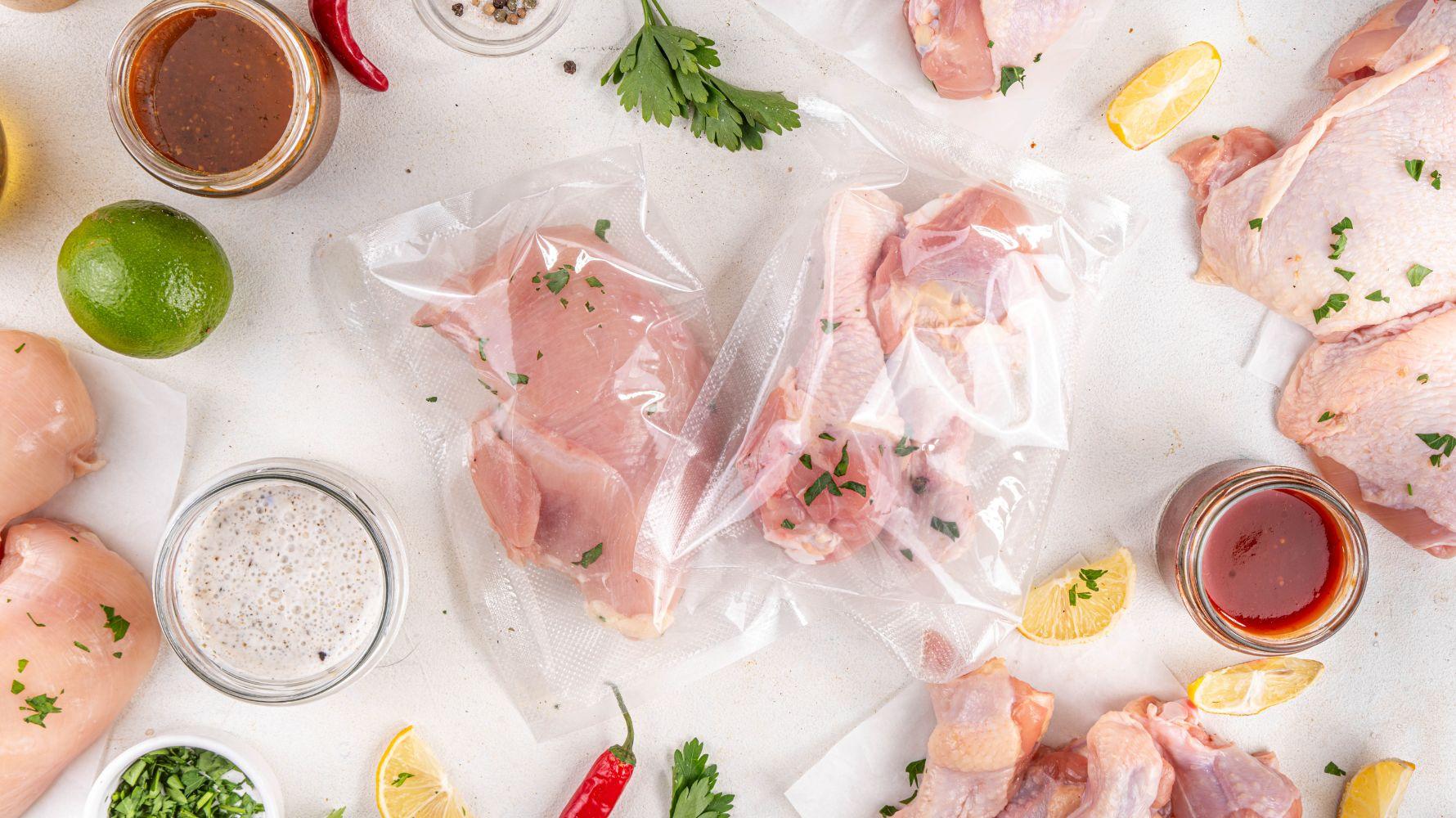
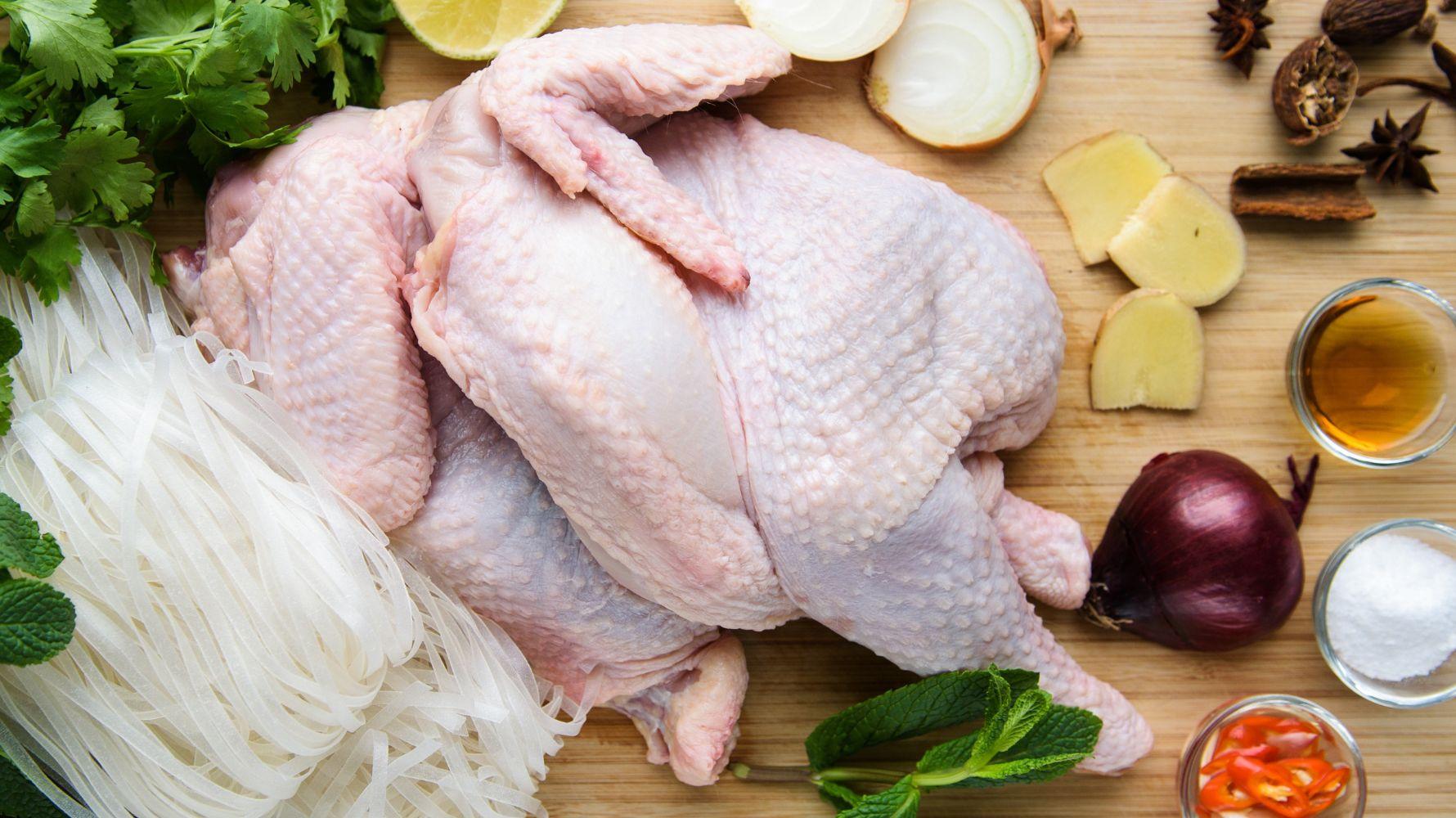
Contrary to a still widespread custom, raw chicken meat should not be washed before being prepared.
Washing does not eliminate microorganisms that may be present on the surface of the meat and may increase the risk of cross-contamination by spreading water droplets on the sink, countertop, utensils, and other food.
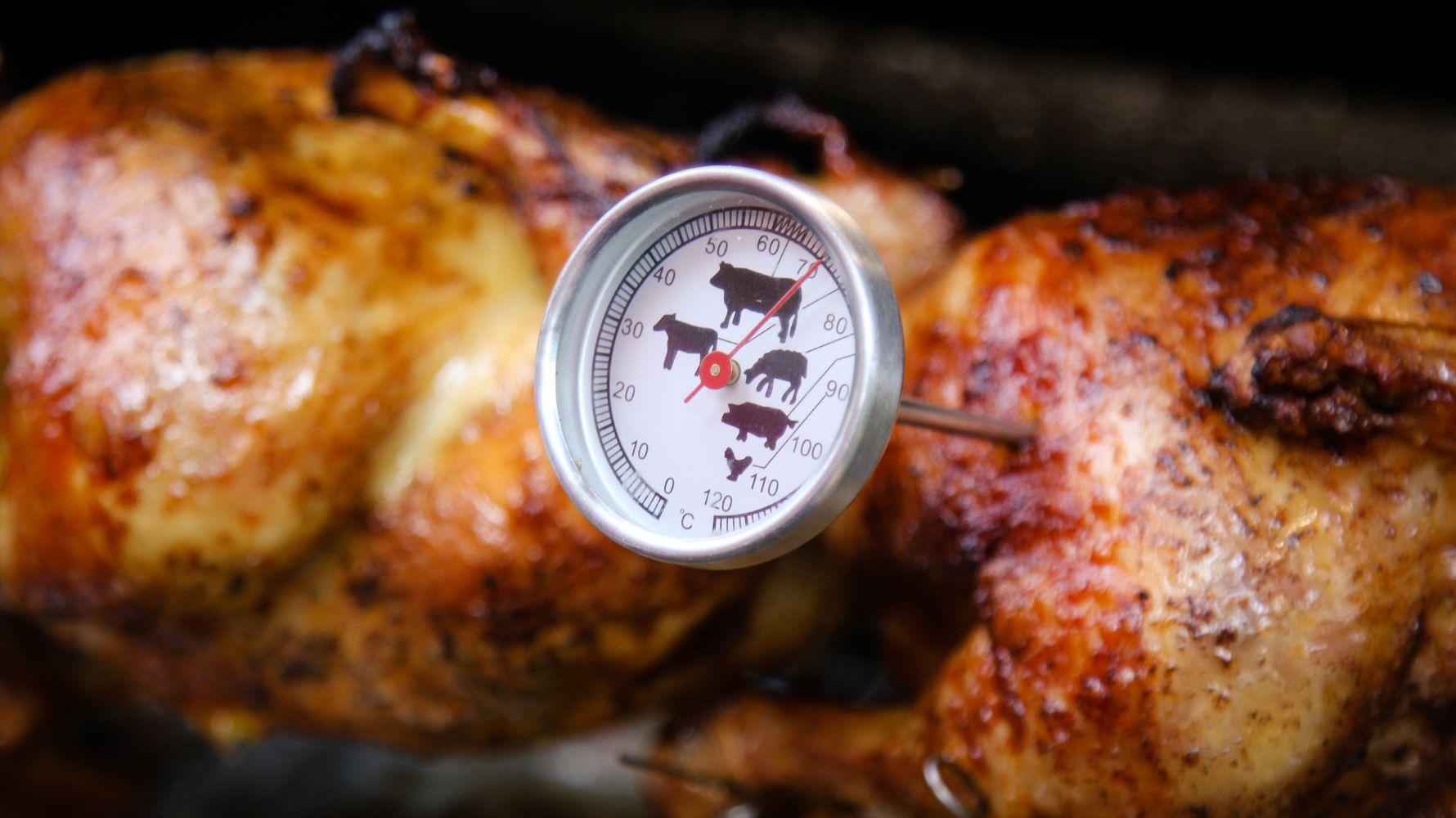
Complete thermal treatment, not washing, is the effective method for reducing microbiological risk.
How does it work?
During washing, the water jet can project microscopic droplets over a radius of about one meter around the sink. These droplets can contaminate:
- the sink and the battery;
- the work surface;
- utensils and mills;
- vegetables or other food prepared for consumption;
- the hands and clothes of the person handling the product.
If these surfaces are not properly cleaned and disinfected, microorganisms can subsequently be transferred to food that will no longer be prepared thermally.
The legislative framework
Regulation (EC) No 852/2004 on the hygiene of foodstuffs
It establishes the general principles of hygiene and measures to prevent contamination of food throughout the entire food chain.
Regulation (EC) No 853/2004
It establishes specific rules regarding the hygiene of food of animal origin.
Although European legislation does not contain an explicit ban on meat washing in the home, authorities such as EFSA, the European Centre for Disease Prevention and Control (ECDC), CDC (USA) and the Food Standards Agency (UK) recommend that raw poultry meat not be washed, to reduce the risk of cross-contamination.
How is this aspect managed in the modern poultry industry?
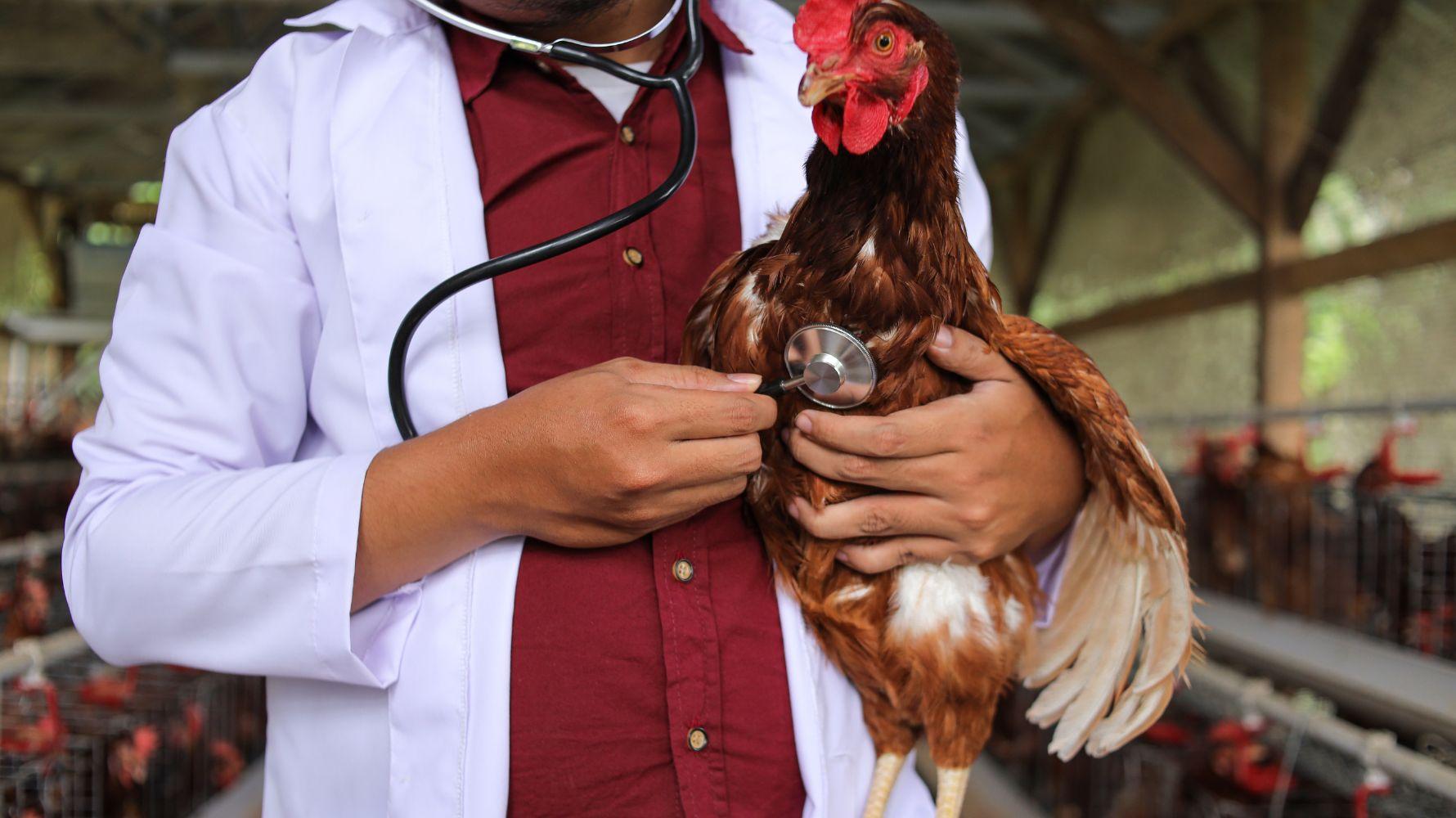
In the modern poultry industry, meat is obtained in veterinary-sanitary approved facilities, where processing takes place under strict hygiene conditions and under official control.
After packaging, the responsibility for maintaining food safety lies with the consumer. Therefore, the authorities recommend:
- raw meat must not be washed;
- cross-contamination should be avoided;
- the storage conditions must be respected;
- the product must be prepared completely before consumption.
Where do the confusions come from?
Many consumers wash the meat because they believe that this removes bacteria or „cleans” the product before cooking. In reality, the water does not destroy the microorganisms but can spread them onto the surfaces in the kitchen.
Another confusion is that washing would remove any residues or impurities. In reality, the meat sold in authorized facilities is processed according to strict hygiene rules and does not require washing before preparation.
Sometimes, consumers confuse this recommendation with washing fruits and vegetables. Unlike them, chicken meat is to be prepared thermally, and the cooking temperature is what contributes to the elimination of pathogenic microorganisms.
In figures
- The streaks resulting during washing can reach approximately 1 meter around the sink, contaminating surfaces and utensils.
- The complete preparation of poultry meat to an internal temperature of at least 75°C contributes to the elimination of pathogenic microorganisms.
- Cross contamination is one of the main causes of food poisoning produced in households.
In a nutshell
✔ Raw chicken meat should not be washed before preparation.
✔ Washing does not remove bacteria and can spread microorganisms in the kitchen.
✔ Complete thermal treatment is the effective method for reducing the microbiological risk.
✔ Hand hygiene, utensils, and avoiding cross-contamination are just as important as proper preparation.
Did you know that?
TRANSAVIA recommends following the instructions on the label regarding the preservation and preparation of the products and supports the recommendations of the food safety authorities: raw chicken meat should not be washed before cooking. Good hygiene in the kitchen and proper thermal preparation are the most effective measures for maintaining food safety.