

What you need to know
One of the most widespread perceptions is that chickens or chicken meat are „watered down” in order to be heavier. In reality, fresh chicken meat marketed as such cannot have added water without this being clearly stated on the label, and food industry operators are subject to strict rules and official controls.
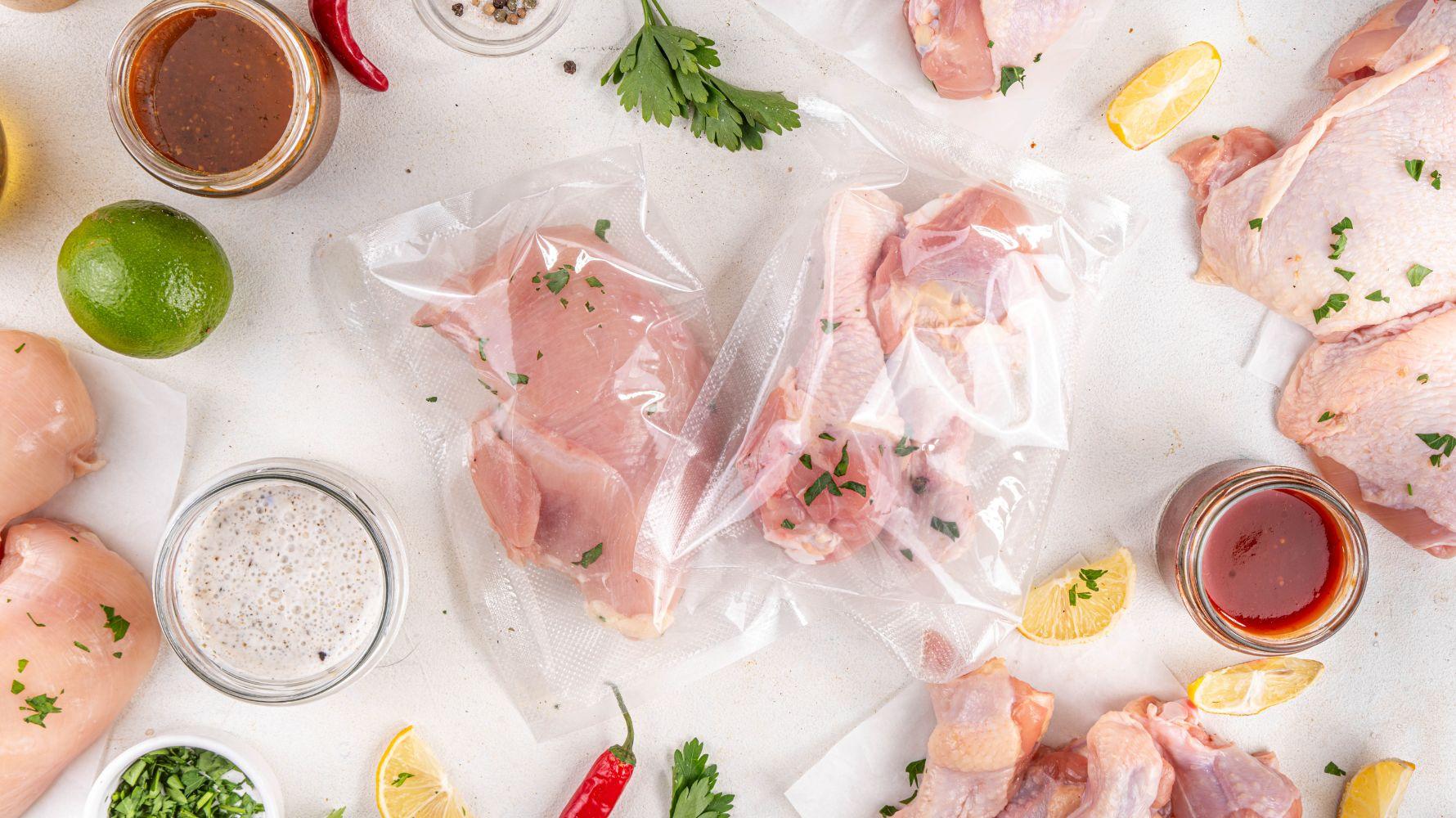
The amount of liquid that accumulates in the packaging naturally varies from one species to another and even between different anatomical parts of the same animal; it is influenced by the structure of the muscle, the fat content, the maturation of the meat and its ability to retain water. There are several reasons why consumers have this perception:
- The chicken breast is a very weak muscle (with little fat), so the released liquid is more easily observed in the casserole.
- Beef is matured for longer periods, and the changes in proteins during maturation can improve the water retention capacity.
- Pork meat generally has a higher content of intramuscular fat, which makes the loss of liquid less visually evident.
Also, it is important to distinguish between:
- fresh chicken meat, which has no added ingredients;
- meat preparations (for example, marinated or seasoned products), where water may be part of the recipe and must be declared in the list of ingredients.
The legislative framework
Regulation (EU) No 1169/2011 on consumer information
It provides for the obligation to declare the ingredients and the added water when it is part of the product's composition.
Regulation (EU) No 1308/2013
It sets the marketing standards for poultry meat and differentiates fresh meat from other categories of products.
Regulation (EC) No 853/2004
It establishes specific hygiene rules for food of animal origin and requirements regarding the marketing of poultry meat.
How does it work?
Chicken meat naturally contains a high percentage of water, accounting for approximately 70–75% of the muscle composition, just like in the case of other types of meat.
During refrigeration and thermal processing, some of this water is naturally lost. The amount may vary depending on:
- the type of anatomical part;
- the natural fat content;
- method of preparation;
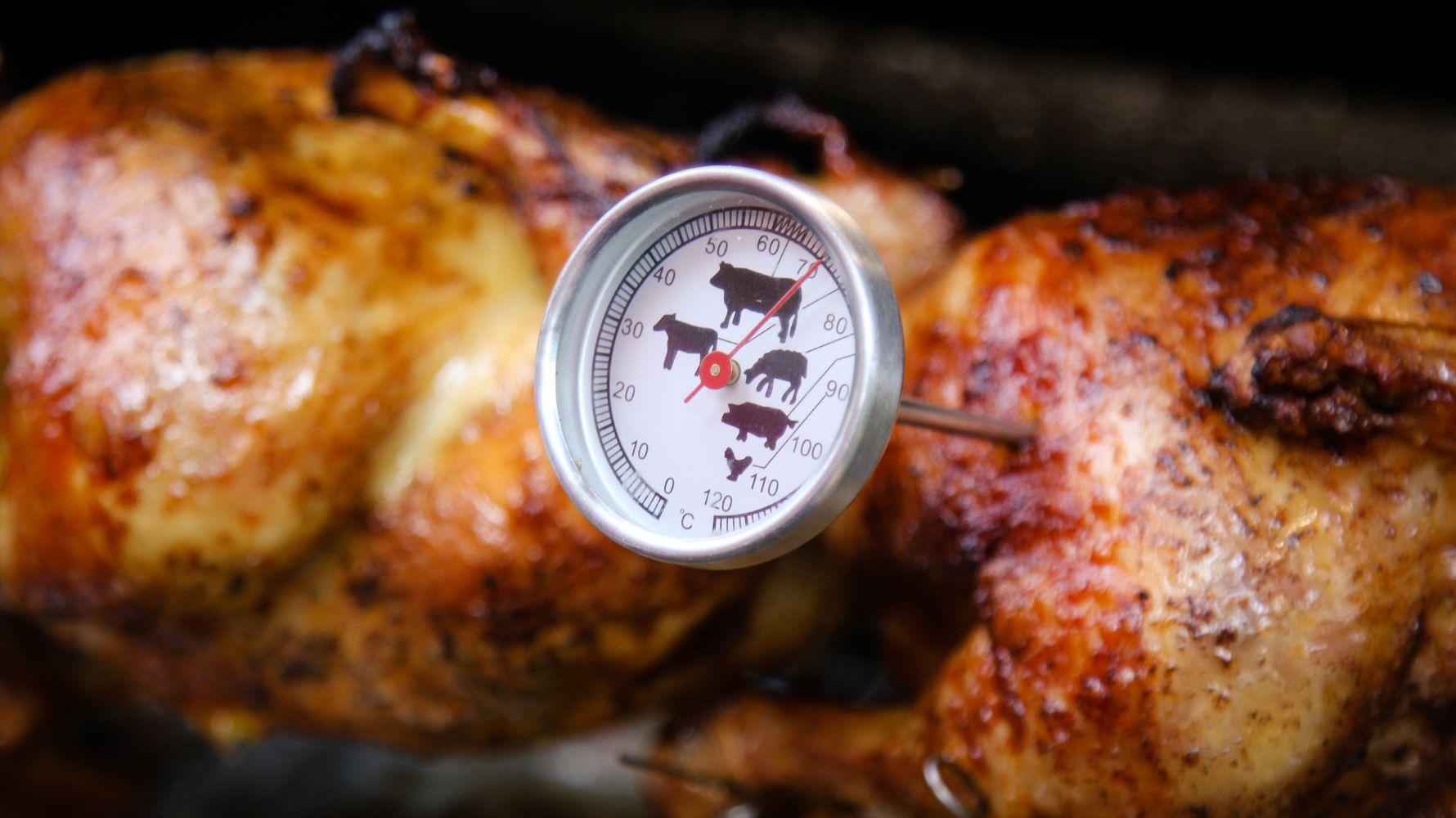
- temperature and duration of cooking.
These losses are normal and do not constitute proof that the product was injected with water.
How is this aspect managed in the modern poultry industry?
In the modern poultry industry, fresh meat is processed and packaged according to strict hygiene and labeling standards.
If a product contains added ingredients, including water, this must be declared in accordance with European legislation, and the product is classified in a different category (for example, a product made from meat), it is not marketed as simply fresh meat.
The competent authorities verify both compliance with the labeling requirements and the conformity of the products marketed.
Where do the confusions come from?
Why does chicken seem to release more liquid than other types of meat? Chicken meat has a muscle structure different from that of beef or pork and naturally contains approximately 70–75% water. After slaughter, part of this water is gradually released from the muscle tissue and can accumulate in the package in the form of liquid (also called purge). It is mainly composed of water along with dissolved proteins and mineral salts. The amount of liquid varies from one type of meat to another and is influenced by several factors, such as the muscle structure, the natural fat content, the maturation process, the type of packaging and the ability of the meat to retain water (Water Holding Capacity – WHC). For this reason, the presence of a moderate amount of liquid in the packaging of chicken meat is a normal phenomenon and does not in itself constitute proof that water has been added to the product.
One of the most common situations is the appearance of liquid in the casserole after being stored in the refrigerator. Generally, quality meat with well-preserved muscle structure retains more water during preparation and maintains its juiciness and succulence better. However, the loss of liquid is a natural phenomenon and is also influenced by the cooking temperature, the preparation time, and the type of piece. In reality, it is mainly composed of water naturally present in the muscle tissue, along with soluble proteins and cellular juices released during storage. This phenomenon is natural and occurs in all types of meat.
Another confusion arises when the meat reduces in volume during cooking. This happens because, under the effect of temperature, the muscle fibers contract and eliminate a portion of the water naturally contained in them. The amount of liquid that remains in the pan or is lost during cooking does not depend solely on how the meat is prepared, but also on its natural ability to retain water. In general, high-quality meat with well-preserved muscle structure retains more water during cooking and maintains its juiciness and tenderness better. However, the loss of liquid is a natural phenomenon and is also influenced by the cooking temperature, the preparation time, and the type of piece.
Consumers also sometimes confuse fresh meat with marinated products or other meat preparations, in which case the water and other ingredients can be added legally and are always mentioned on the label.
In figures
- Approximately 70–75 percent of chicken meat is naturally represented by water.
- Depending on the method of preparation, the meat can lose 15–30% of its weight, mainly by removing the natural water.
- If water is added as an ingredient in a product, it must be declared in accordance with European legislation.
In a nutshell
Chicken meat naturally contains about 70–75% water.
The liquid that sometimes appears in the packaging comes mainly from the water released naturally from the muscle tissue.
✔ The weight reduction during cooking is a normal phenomenon, caused by the loss of natural water.
✔ If water is added to a product as an ingredient, this must be declared on the label, in accordance with the legislation.
Did you know that?
The amount of juice released during cooking (dehydration) is also influenced by the quality of the meat. A meat with a good water holding capacity (WHC) retains better the water naturally present in the muscle tissue and, in general, maintains its juiciness and texture better after preparation. Conversely, a low water holding capacity can lead to greater liquid losses during cooking. However, dehydration is also influenced by other factors, such as the type of anatomical part, the method of preparation, the temperature and duration of cooking, which is why it cannot be used alone to evaluate the quality of a product.
In the meat industry, the Water Holding Capacity (WHC) is one of the indicators used to evaluate the quality of meat. A meat with a good WHC loses less juice during storage and preparation, contributing to a more tender, juicier product with better cooking yield.
„Why does water remain in the pan after cooking the chicken breast?”
The answer can simply be explained by the fact that, during heating, muscle fibers contract and release the water naturally present in meat, just as happens with beef, pork, or fish meat. This is a normal physiological phenomenon and does not in itself constitute proof that the product has had added water. This example answers one of the most common questions of consumers and very well complements the main message.