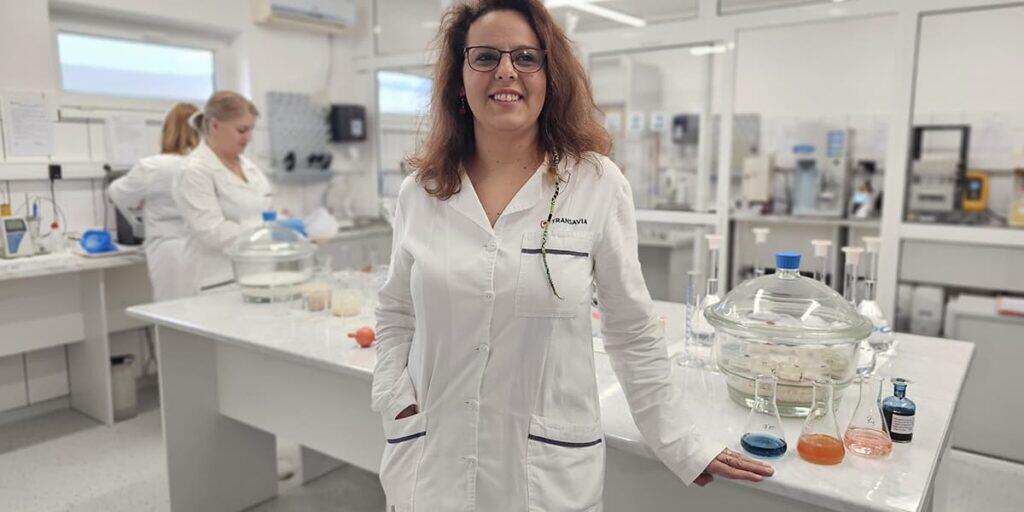

June 7, 2024. Sântimbru, Alba. On the occasion of World Food Safety Day, marked on June 7 by the Food and Agriculture Organization (FAO), TRANSAVIA, the leader of the poultry market in our country, reaffirms its commitment and social responsibility by offering safe, top-quality chicken meat products. The major concern of Romania's poultry market leader stems from the belief that food safety is non-negotiable under any form and in any circumstance..
Food safety is essential for the health of all of us, while also being a shared responsibility, from the producer to distributors, retailers, authorities, and consumers.
„As the leader of the Romanian poultry market, we assume an active role in educating the market and shaping models of best practice and regarding traceability and chicken meat production under conditions of maximum safety and quality. For the TRANSAVIA team, quality and food safety are part of the social responsibility commitment assumed by all over 2,300 employees who do everything, day by day, exactly as it should be done, from farm to fork. We thus guarantee the safety and quality of our products. We are proud that this year as well, we did not register any product withdrawals or recalls for food safety reasons. , We thus demonstrate that we keep our promises day by day and that we have a culture of quality and safety in which all our employees respect the strictest protocols, standards, and norms,” states Marian Sabău, Quality and Food Safety Director TRANSAVIA.
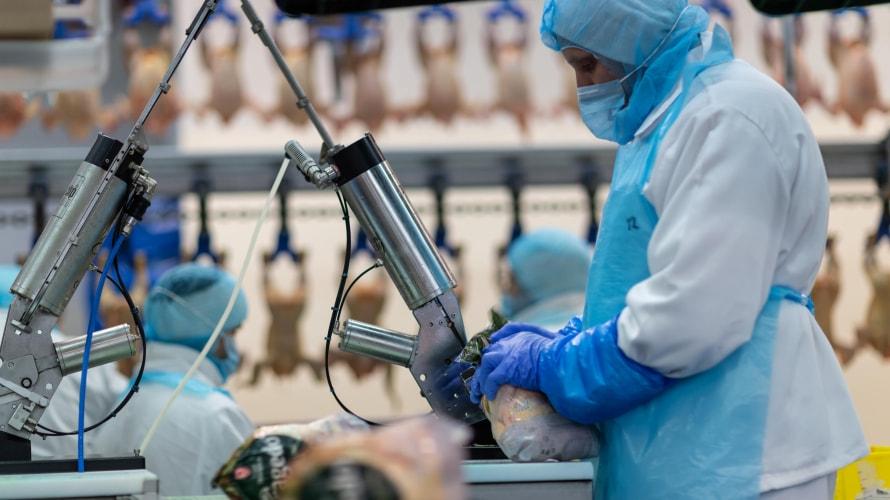
Using the best hygiene and food safety practices, TRANSAVIA always does things exactly right and ensures that every product bearing its brand reaches consumers' tables in optimal condition, without health risks, every time.
„At TRANSAVIA we believe that all consumers have the right to expect the highest standards of food safety, constantly and uniformly guaranteed, regardless of where they eat or buy chicken. That is why every activity in our 100% vertically integrated production chain, from farm to fork, is carefully supervised and monitored, from breed selection and breeding parents, to feeding the birds with scientifically formulated feed produced in our own Feed Mill using grains we cultivate on approximately 10,000 hectares of agricultural land we farm, all the way to slaughtering, processing, packaging, and delivery processes. We apply the best practices and the strictest hygiene and food safety standards, ensuring that that every product bearing the TRANSAVIA logo is a symbol of trust and quality”, says Cristina Lupșan, Quality Director of the Industrialization Sector at TRANSAVIA.
How do we know that food is safe?
Science-based standards define what is safe and what is not. Through these standards, acceptable limits for various microorganisms present in food are identified, and safe limits are established for various hazardous substances that can enter food from the environment or through the production process. These standards guide aspects related to hygiene, nutrition, food inspection, labeling, and many other aspects. Standards established through Codex Alimentarius protecting consumer health and ensuring fair practices in the food trade for 60 years, and the responsibility for their enforcement and for food safety lies with every actor throughout the supply chain, from producers to processors, transporters, traders, authorities, and consumers.
World Food Safety Day brings to the forefront this year the need to be „prepared for the unexpected.” This slogan (Prepare for Unexpected) strongly resonates with the current context and emphasizes the importance of collaboration across the entire supply chain, from producers to consumers, who must act responsibly. In this context, the Industrialization Sector Quality Director of TRANSAVIA reminds consumers of the importance of making the right food choices, offering some practical guidance for selecting safe and high-quality chicken meat:
- „Choose to buy chicken from trusted producers who strictly comply with food safety standards and can provide detailed information about the origin and complete production process of the chicken.
- Check the origin of the chicken meat. It is important to know the country of origin and the producer, so as to ensure that the animals were raised in appropriate conditions, that the agricultural practices used to feed the chicks are responsible and sustainable, and that the slaughterhouses and factories comply with the highest standards of food safety.
- Pay attention to the product label you choose. Ensure that the label provides the mandatory legal information (product name, list of ingredients for processed products, net quantity of basic products, product shelf life or expiration date, manufacturer's name or trade name, country of origin or place of provenance, etc. – for more details consult Good Practice Guide in the labeling and advertising of poultry meat from the ANPC website). Read the information regarding the expiration date, storage conditions, and preparation instructions. It is important to follow these guidelines to ensure the safety and quality of the chicken you consume.
- Pay attention to the characteristics of the products you choose.
- The appearance must be clean, with a moist, but non-sticky surface. In the case of frozen products, the carcass must not show any deformations.
- The color of the muscles must be characteristic pinkish-red, with a firm and elastic consistency.
- The odor must be characteristic, normal.
- In the case of frozen carcasses, the ice glaze must be clean, transparent, and without a reddish tint.
- The offal (liver, heart, gizzard) must be well cleaned, have a normal, unmodified color and consistency, with a characteristic smell.
- Carefully analyze the marketing messages. Any claim aimed at highlighting product differences must be supported by verifiable arguments and information. It is recommended to choose products from trusted manufacturers who communicate transparently about the entire production process.
- Make sure to handle the purchased products properly. It is crucial to handle chicken in hygienic conditions and to use clean utensils and surfaces when cutting and preparing it. It is important to cook chicken meat and products adequately, ensuring they reach the recommended internal temperature indicated on the label.
- Stay informed about food safety issues. Check reliable websites, such as the National Authority for Consumer Protection (ANPC), the National Sanitary Veterinary and Food Safety Authority (ANSVSA) and the Food and Agriculture Organization of the United Nations (FAO) to find out the latest information and recommendations in the field. The better informed you are, the safer and more responsible choices you will be able to make.”.
The quality and safety of TRANSAVIA products are also a calling card beyond our borders, where the 100% Romanian-owned company exports approximately 30% of its production to nearly 30 countries across multiple continents. A 100% integrated family business, TRANSAVIA stands out as the only producer in Romania that fully manages the entire production, raising, and processing of all its chickens in its own facilities, thereby being able to guarantee consistent high quality and maximum safety for all the products it offers.
TRANSAVIA is the only company in the sector selected in 2023 by the Directorate-General for Health and Food Safety (DG SANTE) of the European Commission to conduct an audit of the control system in the field of slaughter hygiene and compliance with meat inspection requirements in Romania, following which it obtained very good results that confirm the fact that the leader of the chicken meat market in Romania rigorously complies with safety and hygiene standards. At the same time, TRANSAVIA is the only Romanian company that has committed to the standards to be a co-signatory of the EU Code of Conduct on Responsible Business and Marketing Practices in the Food Supply Chain.
The largest chicken meat producer in Romania emphasizes responsible and sustainable agricultural practices, ensuring transparently through the publication of annual Sustainability Reports prepared in accordance with GRI standards that animals are raised in appropriate conditions and that the highest food safety standards are respected. For more information about TRANSAVIA and its commitment to food safety, you can consult the latest Sustainability Report published by the company.
Chicken meat is one of the staple foods on Romanians' tables, providing a significant contribution to the daily protein requirement (approximately 50g). Specifically, a lunch consisting of vegetables and 200g of grilled chicken breast provides 44g of protein, while two boneless, skinless chicken thighs (approximately 250g) with vegetables provide 47g of protein.
World Food Safety Day was established by the United Nations General Assembly in December 2018, being marked annually on June 7. This day is an important occasion to promote the production and consumption of safe food and to draw attention to food risks.