Several food models, the same objective: a balance that can be maintained
Liliana Enache explains that studies have not identified a universal distribution of carbohydrates, proteins, and fats that is optimal for all people with diabetes. Instead, research supports the effectiveness of several dietary patterns that have demonstrated metabolic and cardiovascular benefits, provided that they are adapted to individual characteristics. The Mediterranean diet, the DASH diet, the low-carbohydrate diet, or the predominantly plant-based diet may seem very different approaches, yet all of them are found among dietary patterns supported by research for their metabolic and cardiovascular benefits:
- The Mediterranean diet includes vegetables, whole fruits, legumes, whole grains, nuts, seeds, olive oil, and fish, being one of the best-studied models for its benefits on glycemic control and cardiovascular risk.
- The DASH model It emphasizes vegetables, fruits, whole grains, and foods with low sodium content, being particularly relevant for people with diabetes associated with hypertension.
- Food with a low carbohydrate intake It can contribute to improving glycemic control in certain situations, but the degree of restriction must be individualized and correlated with the medication treatment. Very restrictive diets, including ketogenic ones, are not suitable for everyone, emphasizes the nutritionist-dietitian.
- Vegetarian diet, Based on legumes, whole grains, vegetables, fruits, nuts and seeds, it can contribute to improving the overall quality of the diet and the cardiovascular profile.
Beyond the differences between these models, Liliana Enache emphasizes that more important than adhering to a rigid formula is the overall quality of the diet and the patient’s ability to maintain correct eating habits in the long term.
What matters just as much as eliminating sugar?
For people with diabetes, the focus on nutrition does not only involve the amount of sugar consumed. Nutritional intervention aims to evaluate the entire dietary pattern and the way in which the different categories of food affect metabolism. The specialist emphasizes that, in the diet of people with diabetes, the quality of carbohydrates It is just as important as the intake and distribution of these throughout the day. Fiber-rich sources such as vegetables, whole fruits, legumes, and whole grains should be preferred instead of refined products and foods with added sugars. The amount of carbohydrates should be adapted to the glycemic profile, the medication treatment, and the level of physical activity, and for people using insulin, correlating the carbohydrate intake with the administered doses is particularly important. A crucial role is also played by fibers, which contributes to digestive health, satiety and the modulation of the glycemic response. The American Diabetes Association (ADA) recommends an intake of at least 14 grams of fiber per 1,000 kcal, preferably from minimally processed foods. Equally important is the quality of fats, Especially in the context of the increased cardiovascular risk associated with diabetes, the specialist recommends limiting saturated fats and replacing them with sources of unsaturated fats, such as olive oil, avocados, nuts, seeds, and fish.
Nutrition must also be viewed in relation to Body weight. In the case of people with overweight or obesity, weight loss can improve insulin sensitivity and metabolic control. Not least, hydration It is an important component of the diet: water should be the main source of hydration, replacing sweetened drinks and juices to reduce the intake of sugars and calories.
Quality proteins: why is it important and what role can chicken meat play?
In a balanced diet, each category of nutrients performs different functions: carbohydrates provide energy, fiber contributes to digestive health and to regulating the glycemic response, and proteins are indispensable for maintaining muscle mass, supporting body functions and ensuring satiety. Liliana Enache emphasizes that for people with diabetes, including good quality protein sources in the main meals contributes to achieving a balanced food structure and diversifying the nutritional intake.
The nutritionist-dietetician specialist recalls that a source of high biological value protein with a low fat content and no naturally occurring carbohydrates that can be easily included in various diets, can for example be chicken breast without skin. leather. Chicken meat represents a practical option for ensuring protein intake, as indicated by a 2021 study published by The American Journal of Clinical Nutrition, which looked at the prevention of diabetes, rather than glycemic control in people already diagnosed. The relevant result was that replacing a daily portion of red meat with poultry was associated with a reduction of approximately 18% in the risk of type 2 diabetes. Also, the American Diabetes Association (ADA) – Protein Food for Diabetes explicitly lists chicken meat, especially skinless chicken, for the purpose of reducing the intake of saturated fat and cholesterol.
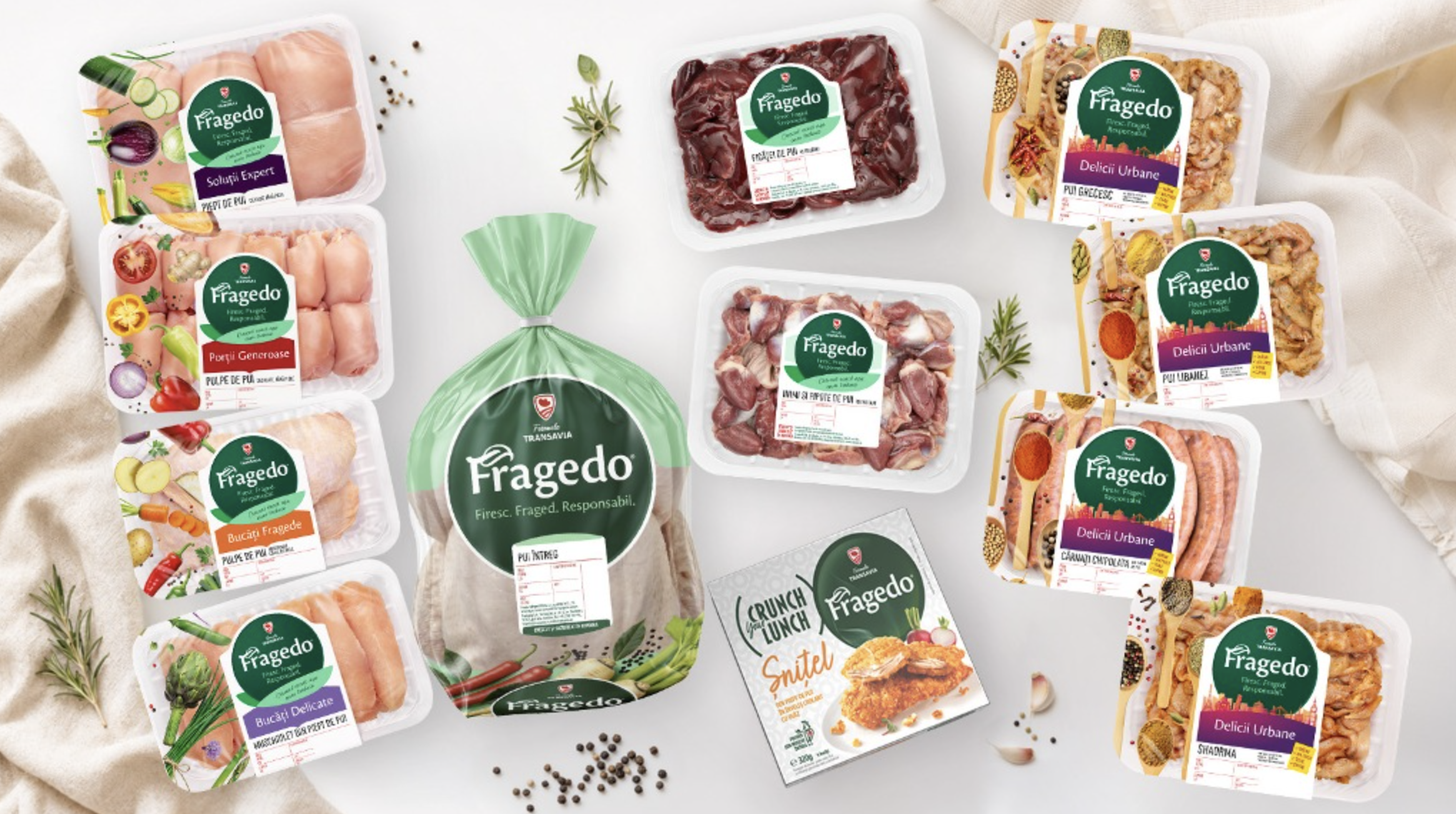
Chicken meat can easily be integrated into various diets because, depending on preferences and individual needs, it can be paired with vegetables, legumes, or whole grains in a balanced meal. The specialist reminds that, beyond the nutritional value, the choice of foods should also take into account their origin, the transparency of the producer, and the consumer’s ability to obtain information about the products they purchase. In this context, naturally, for the consumer, quality should not just be a promise on the packaging, but the result of processes and controls that can be explained and verified. For example, all chickens marketed under the brand Fragedo They come exclusively from their own farms TRANSAVIA And they are processed only in the company's slaughterhouses and production facilities. This unique model in Romania allows for quality and food safety control throughout the entire production chain and ensures the full traceability of the products.
What does a suitable meal look like, concretely, in a diet adapted to people with diabetes?
Liliana Enache explains that it is not enough to focus on a single nutrient; it is important to consider the quality of carbohydrates, their quantity and distribution throughout the day, the intake of fiber, the quality of fats and the sources of protein. A serving of chicken breast Fragedo, Cooked, baked, or grilled, it can be paired with vegetables and an individual amount of whole grains or legumes, contributing to a meal that provides quality protein, fiber, and other nutrients necessary for the body.
The specialist draws attention, however, to the fact that the way of preparing a dish can significantly change its nutritional profile: a chicken breast cooked in the oven with aromatic herbs and a moderate amount of olive oil does not have the same nutritional composition as the same food fried in a lot of oil or served with rich sauces containing fat and salt. For this reason, Liliana Enache recommends methods of preparation such as boiling, baking, grilling or braising, instead of frying and adding excessive amounts of fat and salt. She also emphasizes that the diagnosis of diabetes does not mean that a person must automatically consume more protein, because the need must be determined individually, taking into account muscle mass, nutritional status and renal function, and in the case of people with chronic kidney disease, adapting the protein intake to medical recommendations is particularly important.
Can nutritional intervention lead to remission of type 2 diabetes?
One of the most interesting research directions in recent years, mentioned by the nutritionist-dietitian specialist, is the possibility of achieving remission of type 2 diabetes through intensive interventions on lifestyle and body weight. Thus, the results of the DiRECT study (Diabetes Remission Clinical Trial), published in The Lancet In 2018, which followed people with relatively recently diagnosed type 2 diabetes who were included in a structured weight management program, the results are encouraging, but, as Liliana Enache emphasizes, remission is not equivalent to permanent healing, and the possibility of achieving and maintaining it depends on the duration of the disease, the function of the pancreatic beta cells, the degree of weight loss, the treatment followed, and the person’s ability to maintain the changes in the long term. In addition, medical monitoring remains indispensable, including for people who have achieved remission.
Liliana Enache also highlights an important aspect: nutritional intervention should not be viewed as an alternative to medical treatment. In type 1 diabetes, the administration of insulin is indispensable; it cannot be replaced by diet, exercise, or supplements. In type 2 diabetes, the medication treatment is determined based on the metabolic profile, cardiovascular risk, renal function, and other individual characteristics of the patient. Nutrition, physical activity, sleep, stress management, and medical treatment must work together. Also, important changes in carbohydrate intake should be discussed with the diabetes specialist, especially in the case of individuals treated with insulin or medications that can cause hypoglycemia.
What can we do today for tomorrow’s health? Can we change something before diabetes appears?
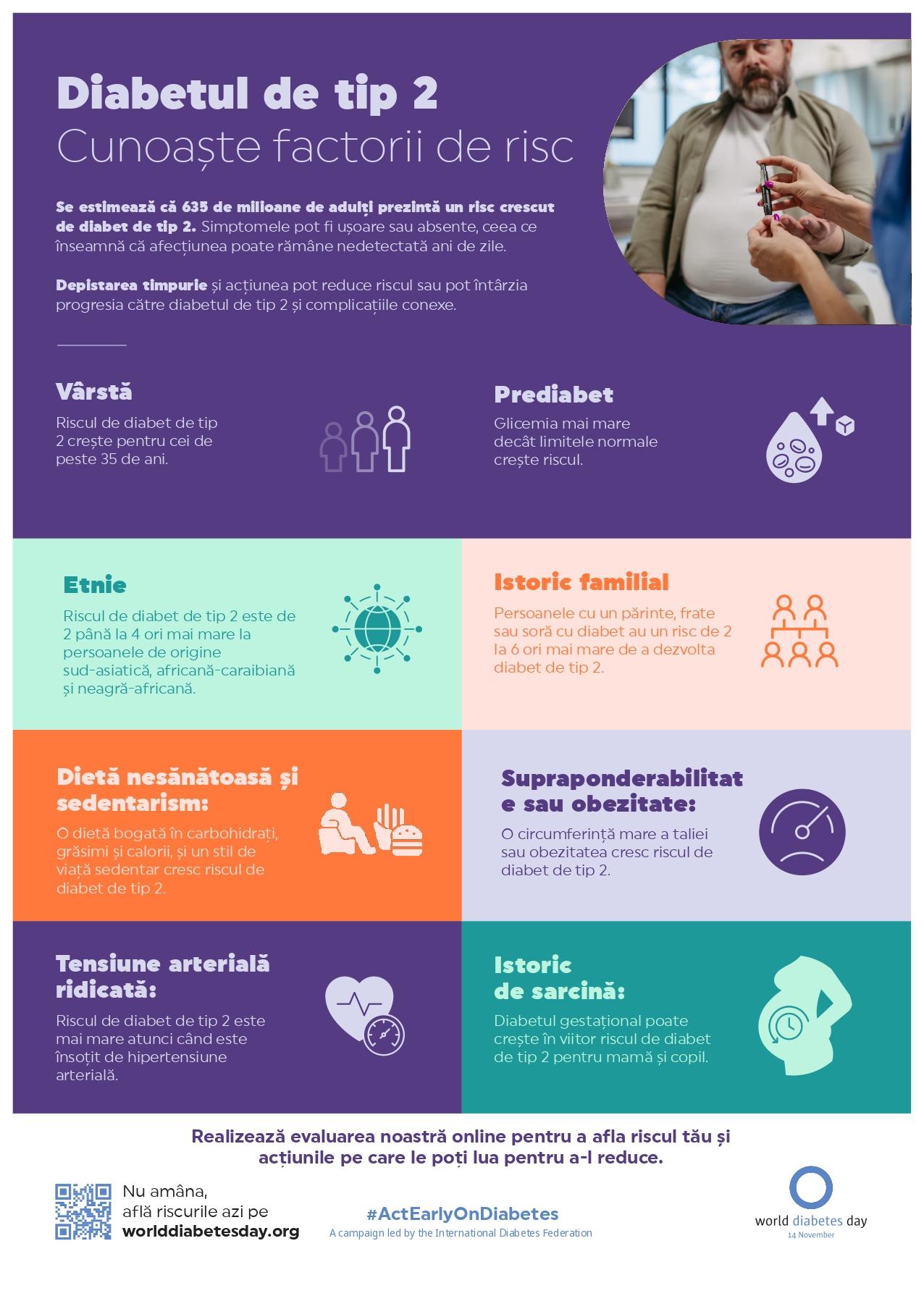
World Diabetes Day, marked annually on November 14, brings to the fore the importance of prevention, early diagnosis and health education. The International Diabetes Federation shows that globally, 1 in 9 adults suffer from diabetes, and over 635 million people are at increased risk of developing type 2 diabetes; it estimates that by 2050, the number of those who will have diabetes will rise to 853 million (https://worlddiabetesday.org/Nutritional education therefore also has the role of helping the patient better understand the relationship between food, blood glucose levels, treatment, and physical activity, so that they can make informed decisions in everyday life.
Type 2 diabetes usually does not appear overnight. Metabolic changes can develop gradually, sometimes long before the diagnosis is established, and that is why prevention and early identification of risks are essential. Liliana Enache explains that in people with prediabetes, lifestyle interventions can reduce the risk of progression to type 2 diabetes: a balanced diet, regular physical activity, maintaining a healthy weight, and monitoring risk factors form the foundation of prevention together. For people already diagnosed, the dietitian emphasizes that nutrition does not replace treatment but complements it.
The central message of nutrițIonist Liliana Enache is of the opinion that the person with diabetes does not need a diet built around prohibitions, but rather a balanced one adapted to their own needs and supported by scientific information. Healthy eating should not be built around fear of certain foods, but rather understanding the role they play in the body. There are choices that, repeated day after day, can make a difference: more fiber (introduced gradually into the diet), a variety of quality protein sources, healthy fats, portions adapted to individual needs, and suitable preparation methods. Individualized nutritional intervention can significantly improve metabolic control and quality of life.
In conclusion, each person should have two essential landmarks: quality food and information that he can trust. Therefore, for TRANSAVIA, the concern for consumers is reflected both in the responsible way in which it produces safe and quality chicken meat, with 100% controlled origin, thanks to its integrated system from the cage to the fork, with its own facilities that allow for the control of food quality and safety, and in the concern to provide people with useful and scientifically verified information that contributes to a better understanding of the foods we put on our plates.
Informative note: This material is educational in nature, intended to inform consumers about the role of nutrition in maintaining health and the importance of balanced food choices for metabolic health. The information presented does not replace medical consultation, diagnosis, or personalized recommendations from the doctor or specialist in nutrition and dietetics. In the event of symptoms of illness or the presence of medical conditions, consultation with a specialist is recommended.
Bibliographic references
- American Diabetes Association Professional Practice Committee. 5. Facilitating Positive Health Behaviors and Well-being to Improve Health Outcomes: Care Standards in Diabetes—2026. Diabetes Care. 2026;49(Suppl. 1)–S131. https://doi.org/10.2337/dc26-S005
- American Diabetes Association Professional Practice Committee. 8. Obesity and Weight Management for the Prevention and Treatment of Diabetes: Standards of Care in Diabetes—2026. Diabetes Care. 2026.
https://doi.org/10.2337/dc26-S008 - Evert AB, Dennison M, Gardner CD, et al. Nutrition Therapy for Adults with Diabetes or Prediabetes: A Consensus Report. Diabetes Care. 2019;42(5):731–754. https://doi.org/10.2337/dci19-0014
- International Diabetes Federation. World Diabetes Day 2026 – Early action on diabetes. https://worlddiabetesday.org/
- Lean MEJ, Leslie WS, Barnes AC, et al. Weight management led by primary care for remission of type 2 diabetes (DiRECT): an open-label, cluster-randomized trial. The Lancet. 2018;391(10120):541–551.
https://doi.org/10.1016/S0140-6736(17)33102-1 - Lean MEJ, Leslie WS, Barnes AC, et al. Durability of a primary care-led weight-management intervention for remission of type 2 diabetes: 2-year results of the DiRECT open-label, cluster-randomised trial. The Lancet Diabetes & Endocrinology. 2019;7(5):344–355. https://doi.org/10.1016/S2213-8587(19)30068-3
- World Health Organization. World Diabetes Day – November 14. „Early Action on Diabetes”. https://www.who.int/campaigns/world-diabetes-day
- Wurtz AML et al. (2021). Replacing the consumption of red meat with other major dietary protein sources and risk of type 2 diabetes mellitus: a prospective cohort study. American Journal of Clinical Nutrition, 113(3), 612-621.
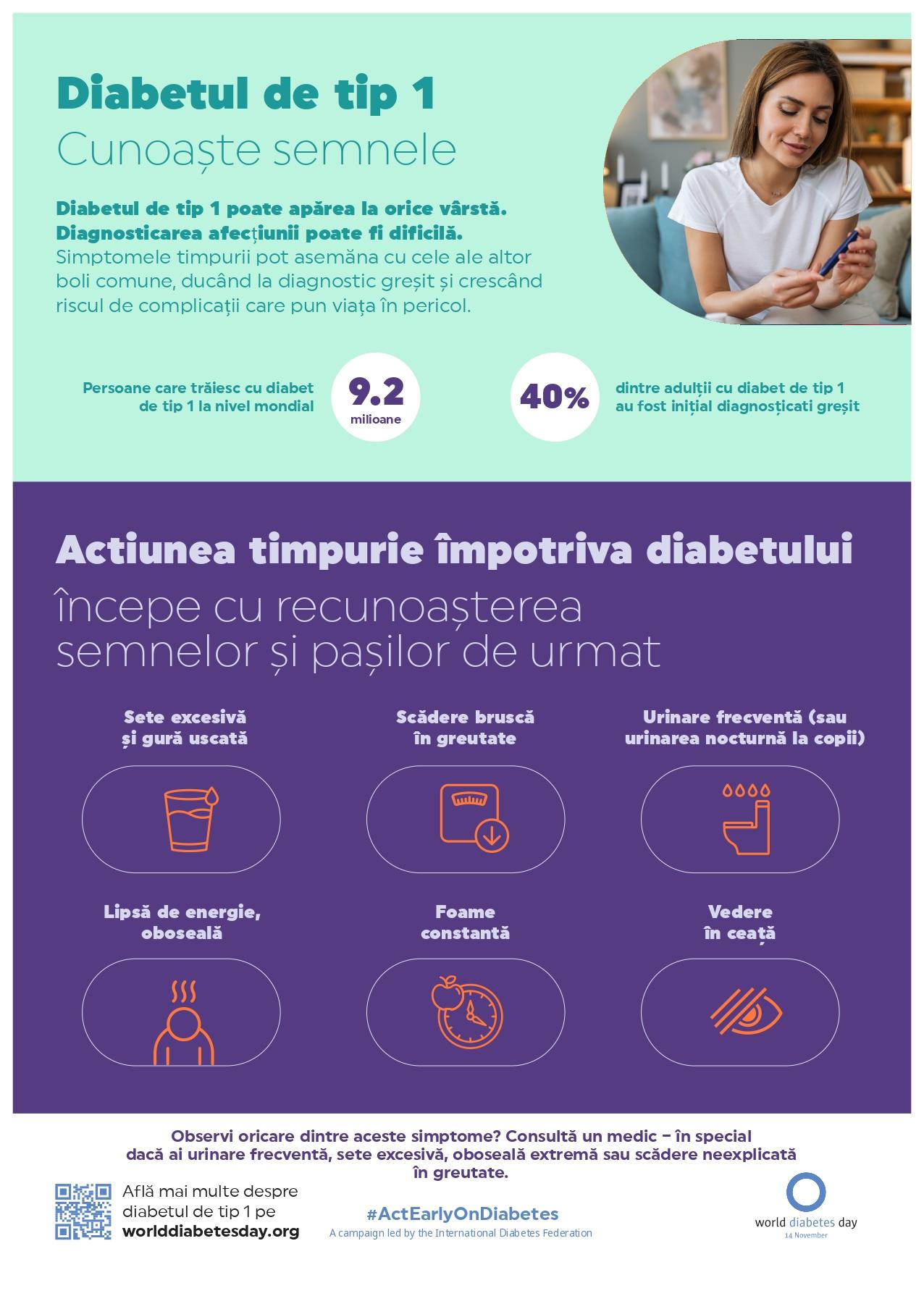
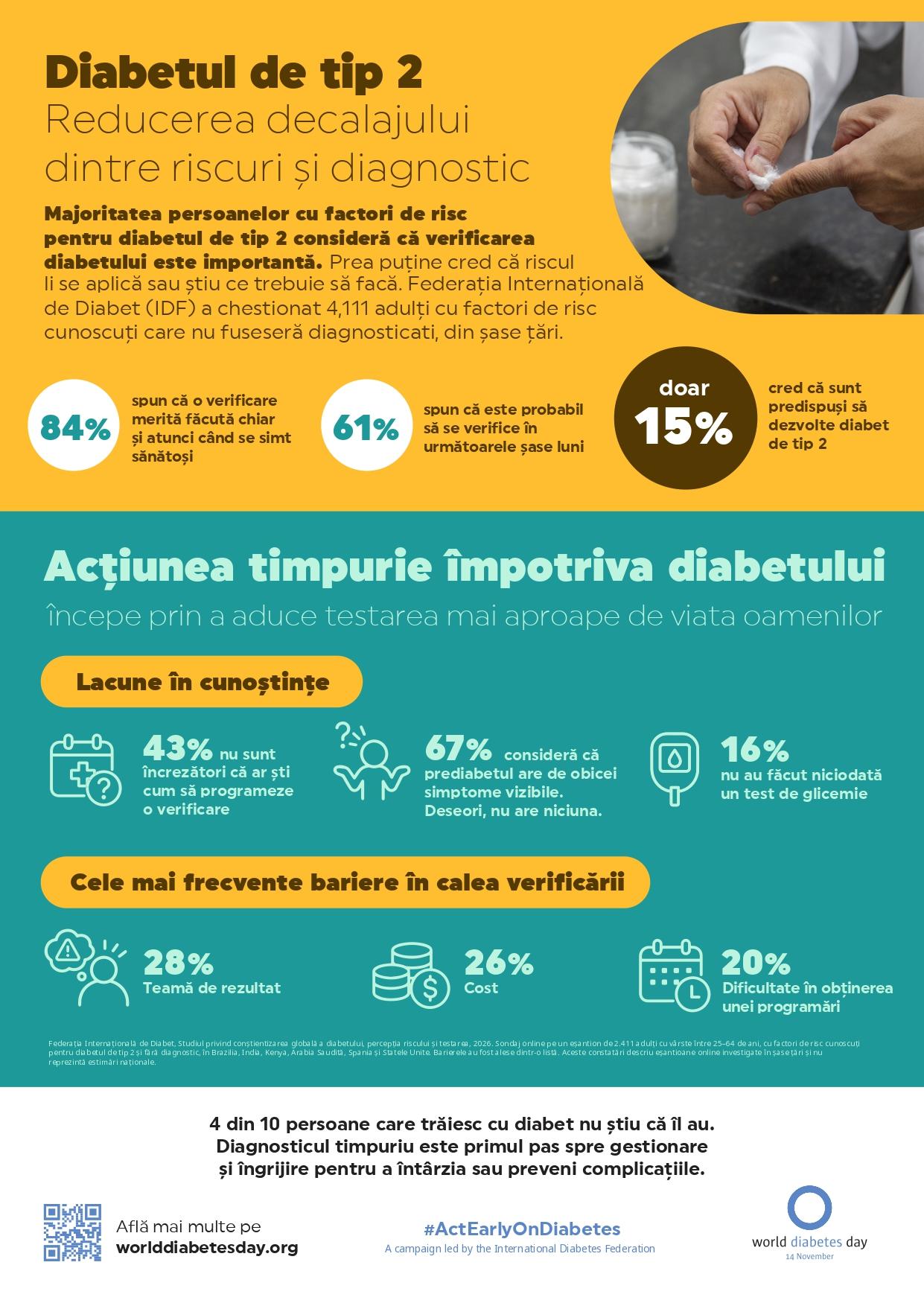
Source of the infographics: Adapted from materials published by the International Diabetes Federation (IDF), available on the official World Diabetes Day – Resource Hub platform.
Legend:
- The World Diabetes Day was established in 1991 by International Diabetes Federation (IDF) and World Health Organization (WHO), As a response to the alarming increase in cases of diabetes worldwide. From 2007, became an official United Nations day (UN Resolution 61/225) and is celebrated annually on November 14.
- FRAGEDO It is the number 1 brand in reported sales for the fresh chicken category (in value and volume), according to RetailZoom estimates – for the years 2023, 2024 and 2025 for the food retail market – international chains (excluding Lidl). RetailZoom is a market research services provider specializing in monitoring and reporting sales data for various channels of the Romanian food retail market – RetailZoom reports scanned sales data (received from partner retailers) integrated with estimated or extrapolated sales data for the following formats of IKA stores: hypermarkets, cash & carry, mini and supermarkets, convenience stores. The monitoring of the market for consumer goods in retail is carried out through the reporting of sales indicators such as value, volume, units, weighted average prices and product distribution (in accordance with specific methodologies).
- Liliana Enache is a dietitian-nutritionist, member of the Romanian Dietetician’s Association, a graduate of the Faculty of Nutrition and Dietetics at the „Grigore T. Popa” University of Medicine and Pharmacy in Iași and of the „Nutrition and Food Safety” master’s program at the „Carol Davila” University of Medicine and Pharmacy in Bucharest. She works at the National Institute of Endocrinology „C.I. Parhon”, Memorial City Gate and Nutrimedical Center. He is the author of specialized articles dedicated to nutrition and education for a healthy lifestyle, published in the Longevity Magazine and on the Caloria.ro platform. He regularly participates in courses and conferences to keep up-to-date with the latest knowledge and promote an evidence-based nutrition education.
About TRANSAVIA
TRANSAVIA is the leader of the local poultry market and one of the most important family businesses with a capital of 100% Romanian lei. With a strong portfolio of brands, such as Fragedo (premium chicken meat) and Papane (semi-prepared chicken meat), TRANSAVIA is a leader in the brand capital area, holding the most valuable portfolio of brands in the food industry, according to the Brand Finance® Romania 2025 ranking. Fragedo The company’s flagship brand, is the first brand in Romania to receive, following the evaluation by the Romanian Council for Advertising (RAC), the right to carry the Ethical Brand seal on TV commercials, which certifies compliance with ethical principles and good advertising practices. For over 35 years, TRANSAVIA has distinguished itself through a completely integrated business model „from bean to fork”, with its own facilities, being the only major producer in the region that controls the entire production chain, from grain cultivation to the finished product delivered to consumers. All the chicks come exclusively from their own farms (reproduction, incubation and rearing) and are processed only in the facilities owned, ensuring complete traceability and constant standards of quality and full safety. Every year, in the farms located in 9 counties, the owned slaughterhouse and processing plant, the family business produces over 120,000 tons of chicken meat, complying with the highest quality and food safety standards, confirmed by prestigious international certifications. Approximately 30% of the production is destined for export to European countries and other international markets. The company has constantly integrated cutting-edge technology and innovations into its processes, using modern equipment to optimize traceability, reduce waste, and ensure product consistency. Moreover, TRANSAVIA is a pioneer in sustainability in the food industry in Romania, making the largest investment in green energy in the sector, largely securing the energy needed for production processes from its own renewable sources. Starting with 2019, the company publishes Sustainability Reports, consolidating its commitment to transparency, responsibility, and sound governance. In addition, TRANSAVIA is the only Romanian company that is a signatory of the European Union Code of Conduct on Responsible Commercial and Marketing Practices in the Food Sector.
With approximately 2,350 employees, TRANSAVIA is one of the largest Romanian employers. The company’s team, composed of professionals from multiple fields of expertise, is the foundation of the sustainable development and the solid reputation the company enjoys.
TRANSAVIA expands its operations in the production of pet food in the region, thus completing its integrated model, from the bean to the fork, with a new link, „to the bowl”, making the largest entrepreneurial investment in the region in this sector.
For more information, visit https://transavia.ro/