

What you need to know
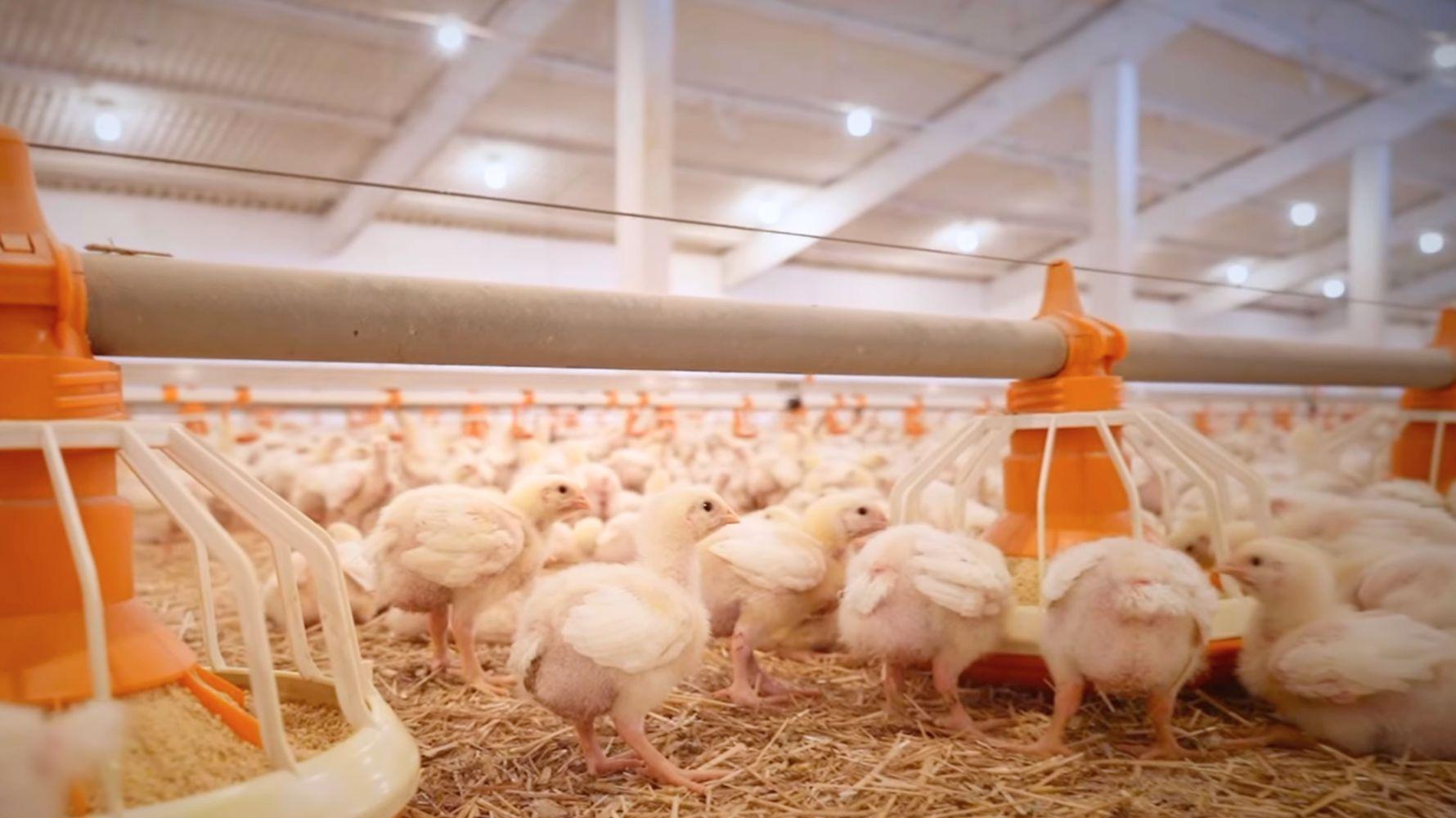
The term „grown on the ground” appears frequently on the labels of poultry products and may suggest a special method of rearing. In reality, all meat chickens (broilers) are not raised in cages but in specialized halls at ground level, on a permanent bedding, under strictly regulated conditions regarding the welfare of the animals, the health of the flocks and food safety.
Therefore, the term „grown on land” describes the usual method of rearing meat chickens in modern systems and does not, by itself, constitute a distinct category of product or an additional guarantee of quality.
The legislative framework
Directive 2007/43/EC
Sets the minimum standards for the protection of growing piglets for meat production, including requirements regarding:
- density of population;
- the quality of the bedding;
- ventilation and microclimate;
- the lighting;
- permanent access to food and water;
- monitoring the health and well-being of the birds.
Regulation (EC) No 343/2026
establishing marketing rules for poultry meat.
It establishes the names reserved for certain growing systems, which can be used in labeling, such as:
- raised in an extensive system in a shelter;
- raised in freedom;
- raised in semi-freedom;
- raised in freedom – traditionally.
For meat chickens raised in the conventional system, there is no reserved term such as „raised in the ground,” because growing on bedding at ground level is the usual method of raising broiler chickens.
Regulation (EU) 2017/625
It establishes the framework for official controls carried out by the competent authorities regarding animal health, welfare and food safety.
Regulation (EC) No 852/2004 and Regulation (EC) No 853/2004
They establish general and specific hygiene standards applicable to the production and processing of poultry meat.
How does it work?
In modern farms, meat chickens are raised:
- at ground level, on a permanent bedding made of plant material (for example, straw or sawdust);
- in halls where temperature, ventilation, humidity and light are constantly monitored and controlled;
- with continuous access to water and food;
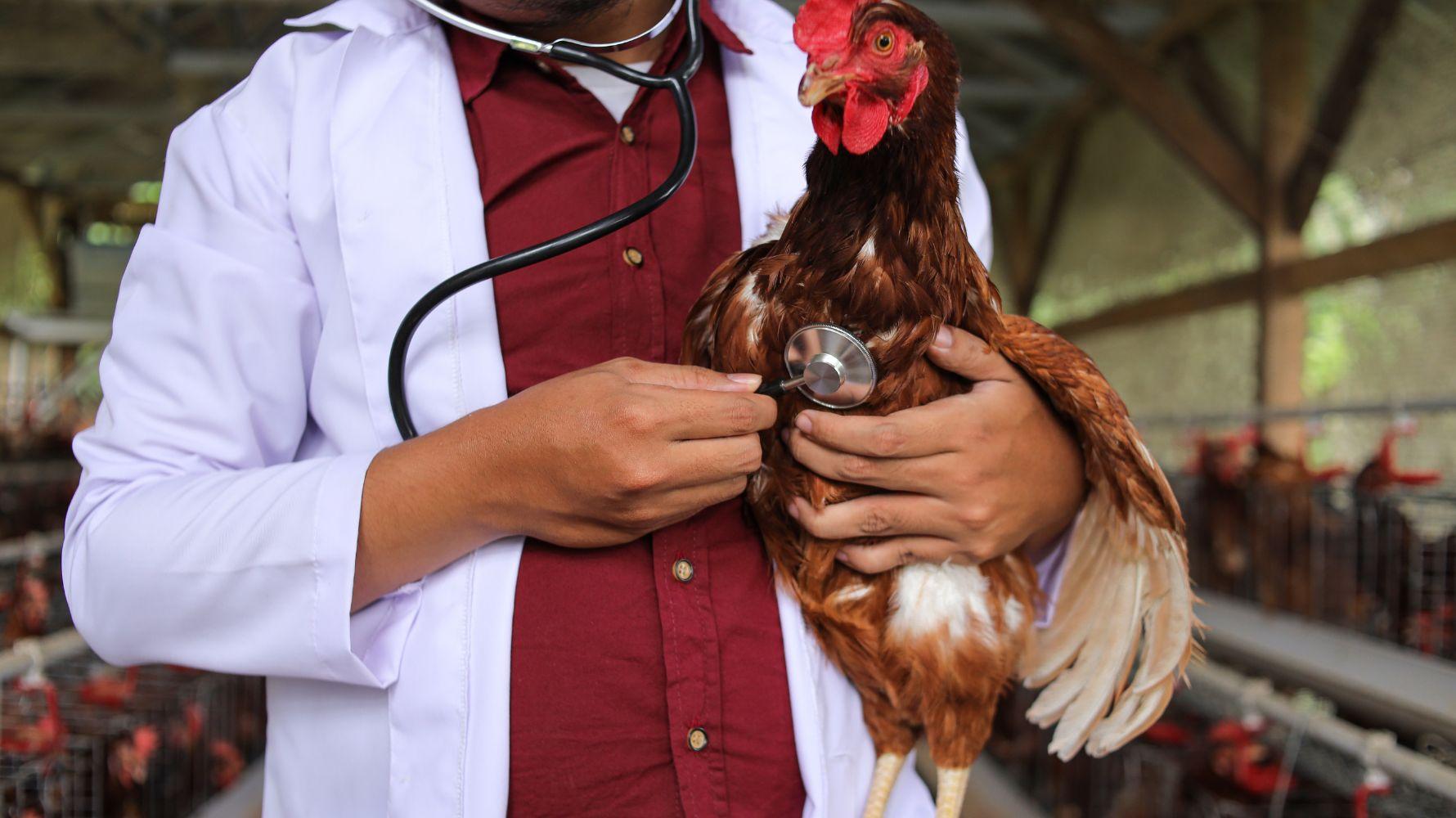
- under veterinary supervision and in strict biosecurity conditions.
This system allows maintaining a stable and safe environment for the development of the birds and compliance with welfare and food safety standards.
How is this aspect managed in the modern poultry industry?
The growth of meat chickens is regulated at the European Union level by Directive 2007/43/CE, which establishes minimum standards regarding:
- density of population;
- the quality of the bedding;
- ventilation and microclimate;
- the lighting;
- permanent access to water and food;
- monitoring the health status and well-being of the personnel.
Compliance with these requirements is verified through official controls carried out by the competent authorities.
In Romania, ANSVSA monitors poultry farms, combined feed factories and the entire production chain, including through inspection programs and sampling for verifying compliance and food safety.
Where do the confusions come from?
One of the most common confusions is the association of the expression „grown in the ground” with the idea that there would be meat chickens raised in cages. In reality, the meat chickens (broilers) were not raised in cages in commercial systems in the European Union; instead, they are raised on a permanent bedding at ground level in specialized halls.
Confusion most likely arises from association with laying hens, for which there have been and are various rearing systems (including in arranged cages called batteries), regulated separately.
Another perception is that the term „grown on land” would designate an alternative growing system, similar to the „grown outdoors” system. In reality, European legislation regulates the growing conditions and the names reserved for certain alternative systems, such as „grown outdoors”, while the term „grown on land” describes the usual way in which meat calves are raised in sheds, on bedding.
According to the Union of Poultry Breeders in Romania (UCPR), approximately 90% of the chicken meat consumed in the European Union comes from conventional systems of production with controlled microclimate and feeding, and only approximately 10% comes from alternative systems (open air, semi-free range or extensive systems). In Romania, production from alternative systems accounts for approximately 3–4% of the total production of chicken meat.
In figures
- 100% of the meat chickens in commercial systems are raised at ground level, on bedding, and not in cages.
- ≈90% of the chicken meat consumed in the European Union comes from conventional rearing systems, in controlled microclimate and feed-feeding halls.
- ≈10% come from alternative rearing systems (open air, semi-freedom or extensive systems).
- In Romania, only 3–4 percent of chicken meat production comes from alternative systems. (Source: Union of Poultry Breeders in Romania – UCPR)
In a nutshell
✔ What guarantees the product's quality and safety is not the wording on the label, but compliance with standards regarding animal welfare, biosecurity, traceability, and official controls.
✔ The meat chickens (broilers) have always been raised at ground level, on vegetable bedding, in specialized halls, and not in cages (battery cages).
The term „grown on the ground” describes the usual method of rearing meat calves on modern farms.
Alternative systems, such as „grown in the open air”, are regulated separately and represent a small proportion of European production.
Did you know that...
TRANSAVIA exclusively raises and processes chickens from its own farms, in an integrated „from hatch to fork” system. The birds are raised in modern halls at ground level, on vegetable bedding, with a controlled microclimate, constant access to water and feed, and continuous veterinary monitoring. This model allows for complete traceability and control of every stage of production, contributing to maintaining high standards of welfare, quality, and food safety. TRANSAVIA is the first and only poultry producer in Romania certified GLOBAL S.L.P. (Smart Livestock Practices) for all its meat chicken production farms, following a final audit without any non-conformities. The international certification evaluates compliance with rigorous standards regarding animal welfare, biosecurity, farm management, environmental protection, and traceability, confirming the application of internationally recognized best practices.