What you need to know
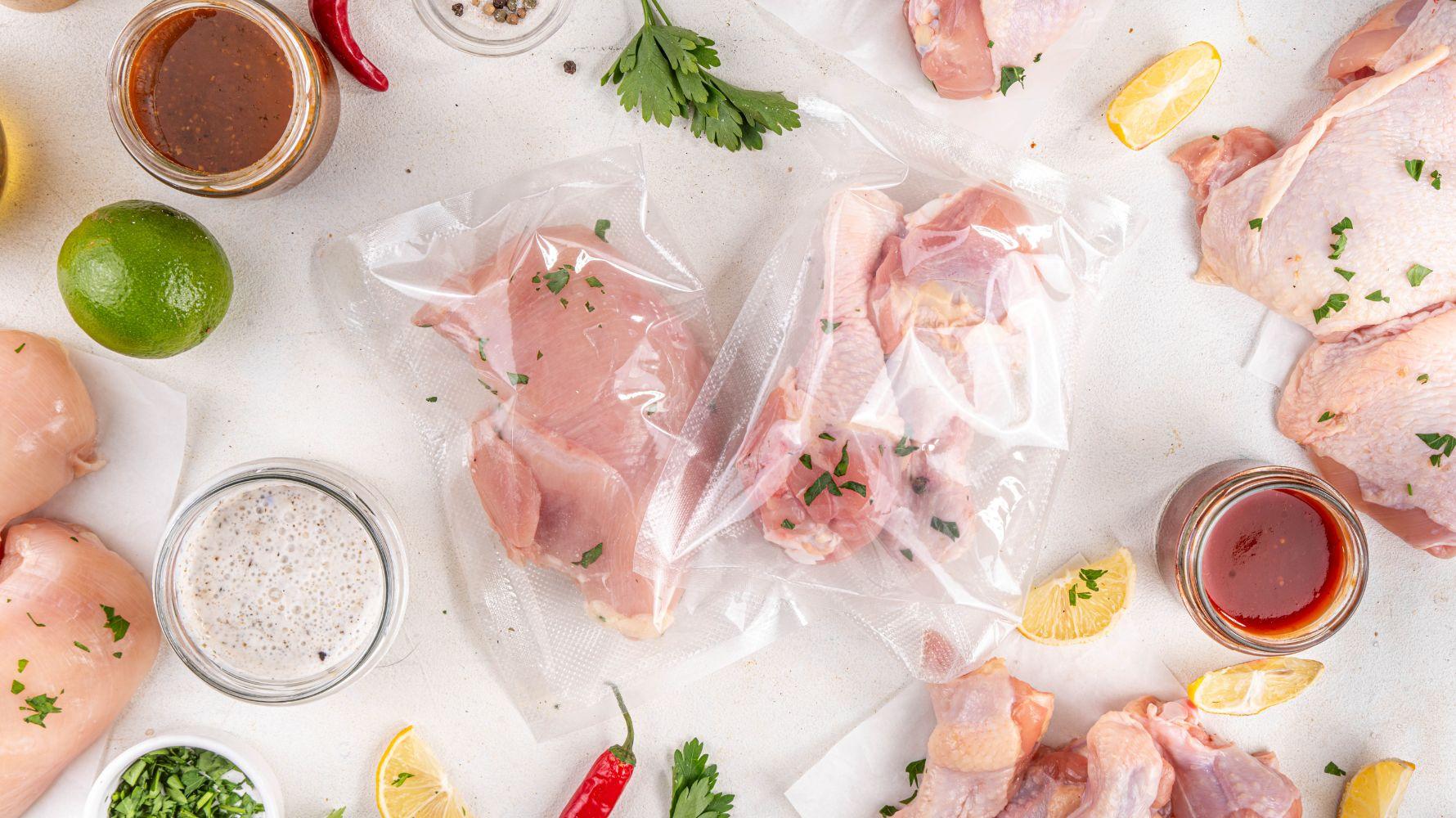
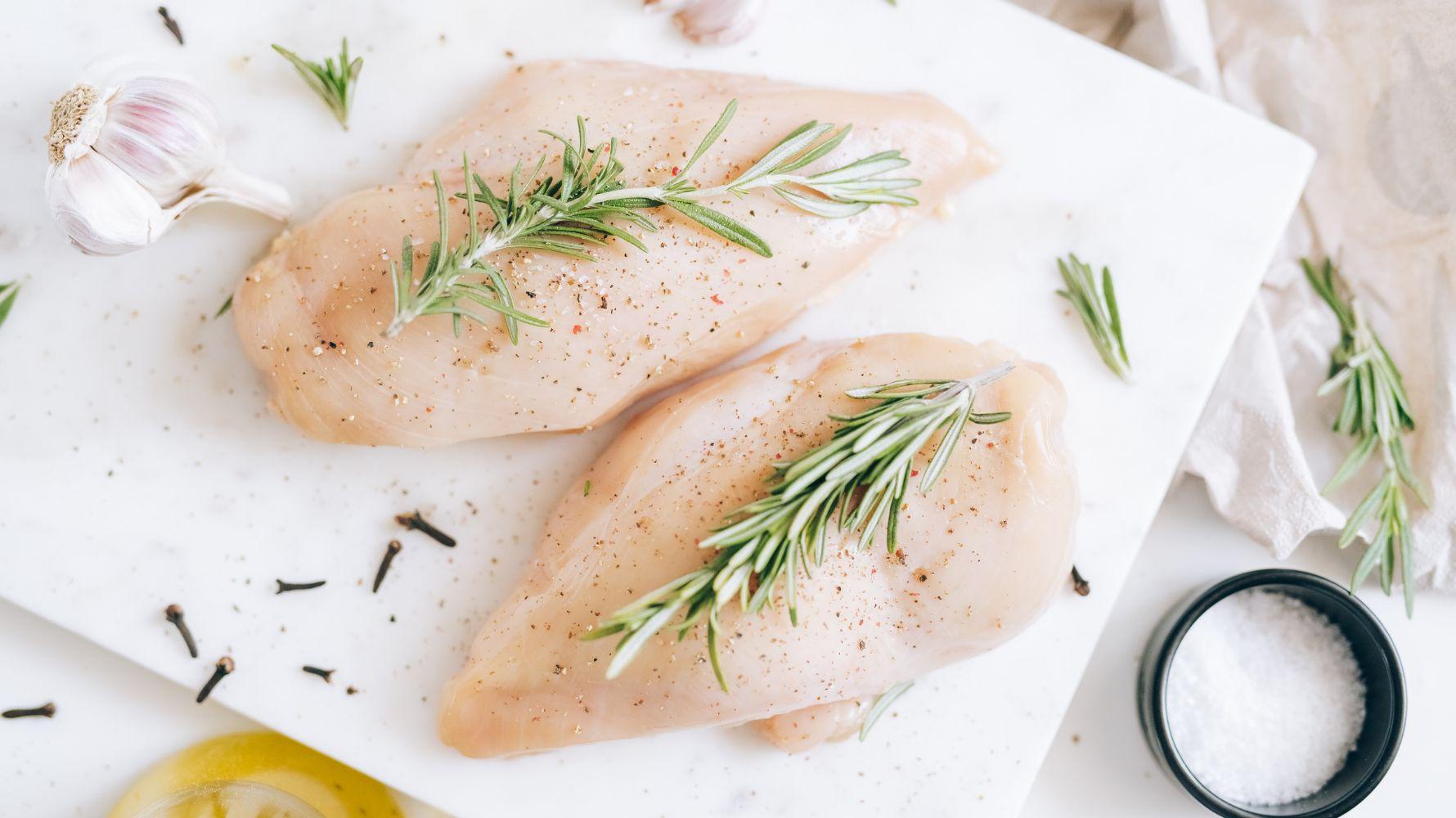
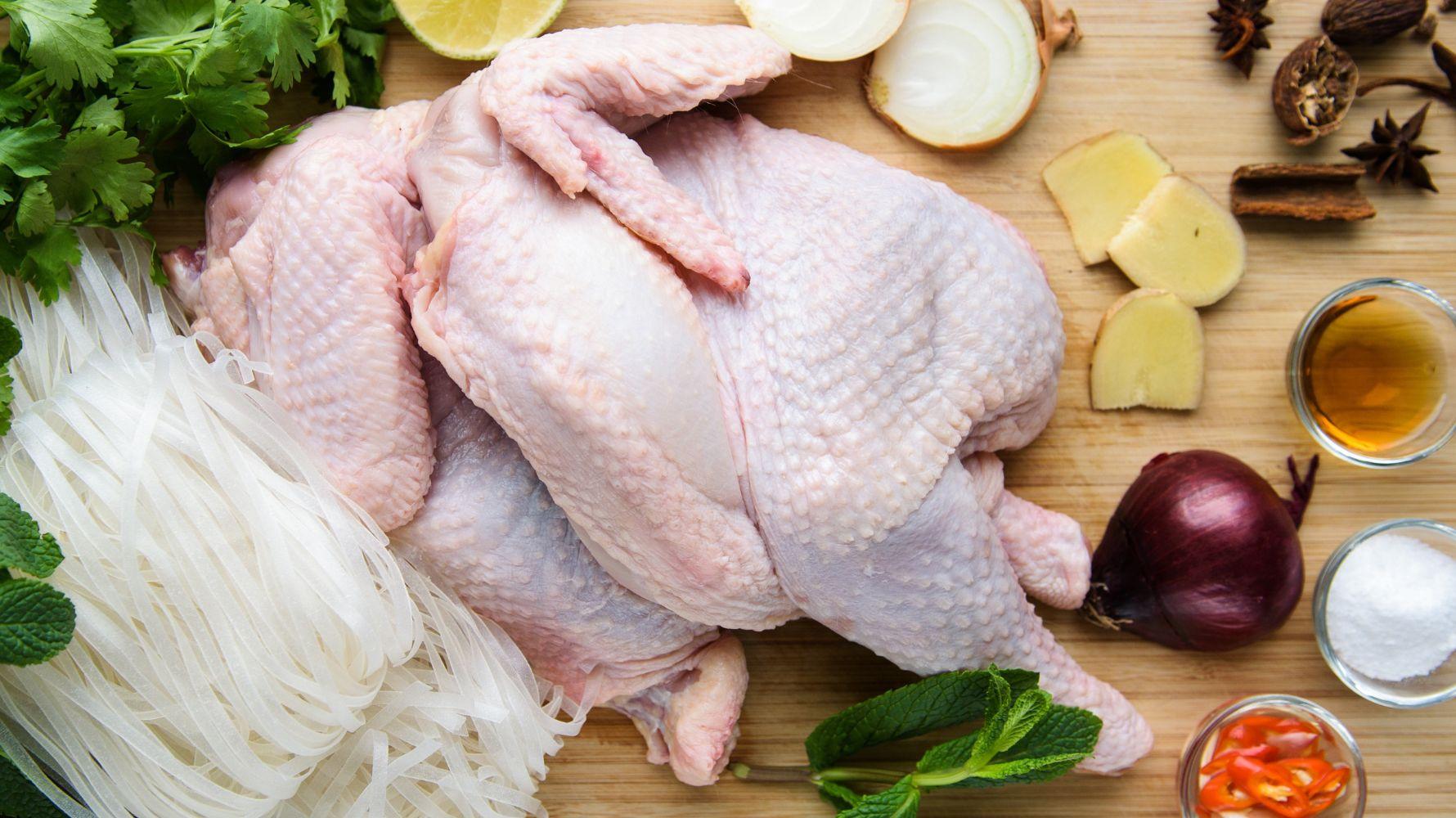
- The color of the skin or meat does not represent an indicator of nutritional value, food safety, or product quality. Puppies with white skin and those with yellow skin offer the same nutritional value when they come from similar rearing and feeding systems.
- The color of the baby's skin is mainly influenced by the birds' diet, especially by the presence of natural pigments (carotenoids) in ingredients such as corn or alfalfa.
- The color of the meat can naturally vary depending on the age of the bird, the anatomical area, the amount of myoglobin, and the post-slaughter physiological process.
The legislative framework
Main legislative acts
Regulation (EC) No 1831/2003 on additives intended for use in animal nutrition
- sets the conditions for the authorization and use of feed additives in the European Union;
- It stipulates that an additive can only be used after safety assessment by EFSA and authorization by the European Commission.
Implementing Regulation (EU) 2020/1400 and other specific regulations
- Authorizes the use of certain carotenoids (e.g., cantaxanthin, lutein, capsanthin/capsorubin, the ethyl ester of β-apo-8′-carotenic acid) as feed additives, within the limits and for the species provided for by legislation.
Regulation (EC) No 178/2002
- it establishes the general principles of food legislation in the European Union and requires that the information provided to consumers must not be misleading.
Regulation (EU) No 1169/2011 on the information to be provided to consumers about food products
- establishes the rules regarding the labeling of food;
- prohibits the granting of properties or benefits that cannot be supported by evidence.
Regulation (EC) No 543/2008 on marketing standards for poultry meat
- establishes the classification and commercial presentation of poultry meat in the European Union;
- They do not classify products based on skin color and do not consider color to be a quality criterion.
How does it work?
Skin pigmentation can be achieved through two methods authorized in the European Union:
- through natural carotenoids, derived from ingredients such as corn, alfalfa, chives (Tagetes erecta) or red peppers;
- by pigments (carotenoids) authorized as feed additives, used in the concentrations and under the conditions provided for by European legislation regarding feed additives.
Both variants are considered safe and are evaluated before authorization by the European Food Safety Authority (EFSA). The purpose of the pigmentation is exclusively to influence the appearance of the skin and adipose tissue, in order to meet the preferences of consumers in certain markets. The use of these pigments does not alter the nutritional value, taste, or safety of the meat.
Carotenoids, pigments naturally present in cereals and forage plants, are stored in the skin and adipose tissue of birds. The more natural carotenoids a diet contains, the more intense the skin’s yellow hue can be. This phenomenon is completely natural and does not affect the nutritional composition of the meat. The proteins, vitamins, and minerals are the same whether the skin is white or yellow.
Another common misconception is that a baby with yellow skin should have a perfectly uniform color. Paradoxically, the lack of uniformity may actually be an indication of natural pigmentation. Carotenoids derived from the diet do not color the skin perfectly uniformly, so it is normal for some areas to be slightly lighter or more intense than others. These variations are natural and do not constitute a quality defect.
And the color of the meat can vary within normal limits. The breast is lighter in color because it contains less myoglobin, while the ribs are darker due to more intense muscle activity and the higher content of this natural pigment.
How is this aspect managed in the modern poultry industry?
In modern production, the color of the skin is the result of the formulation of the feed recipe and of the genetic characteristics of the birds, not of treatments applied afterwards.
Producers primarily look for:
- nutritional balance of feed;
- the use of compliant and controlled ingredients;
- compliance with food safety standards;
- traceability of the entire production process.
In some markets, consumers prefer chicken with a yellower skin, while in others they prefer white skin. For this reason, certain feeding recipes are adapted to local preferences, without changing the nutritional value of the meat.
Where do the confusions come from?
There is a mistaken perception that any chicken with yellow skin is fed exclusively with corn or is raised in a certain production system. In reality, the color of the skin can be influenced both by the use of ingredients rich in carotenoids and by feed additives authorized at the European Union level. Both methods are legal and safe, and the choice between one or the other depends on the feeding recipe and the preferences of the market, not on differences regarding the nutritional value or the safety of the product.
Many consumers associate the darker color of the skin with the idea of „more natural,” „grown in the country” or „healthier.” In reality, color is primarily a visual characteristic, influenced by the diet of the birds and the preferences of consumers in different regions. It does not indicate a higher content of proteins, vitamins or minerals and does not provide information about the safety of the product.
There is also the mistaken perception that a chicken with yellow skin would have been raised more slowly or in a different system. In practice, both chickens with white skin and those with yellow skin can come from the same rearing systems, the difference being mainly due to the composition of the feed and the market demand.
In many European countries, skin color primarily represents a consumer preference and a commercial positioning attribute, rather than an objective quality criterion.
In figures
- There is no scientific evidence showing that chicks with yellow skin have a higher nutritional value than those with white skin when they come from similar production and feeding systems.
- Carotenoids are natural pigments present in ingredients such as corn, alfalfa and other forage plants.
- Skin color is influenced by the amount of these pigments in the diet and the birds' natural ability to store them in the skin and adipose tissue.
In a nutshell
✔ The chicks with a whitish-pink skin and those with a yellow skin have the same nutritional value, if they come from similar rearing systems.
The choice between white-pink leather and yellow leather mainly depends on consumer preferences and commercial positioning, not on differences in quality or food safety.
✔ The color of the skin is determined primarily by the natural pigments in the birds' diet.
✔ The lack of color uniformity may be an indication of natural pigmentation in puppies with yellow skin.
✔ The color of the meat naturally varies depending on the type of muscle and the biological characteristics of the bird.