


What you need to know
- Chicken meat is a source of complete proteins, providing all the essential amino acids the body needs.
- Thanks to the fine structure of the muscle fibers and the low content of connective tissue, it is easy to chew and digest.
- It contains vitamins from the B complex and important minerals such as iron, zinc, selenium and phosphorus, and is recommended as part of a balanced diet for children, adults and the elderly.
The chemical composition of poultry meat
How it works
The body needs proteins daily for the development and repair of tissues, the maintenance of muscle mass, and the normal functioning of the immune system. Chicken meat provides high-biological-value proteins because it contains all essential amino acids.
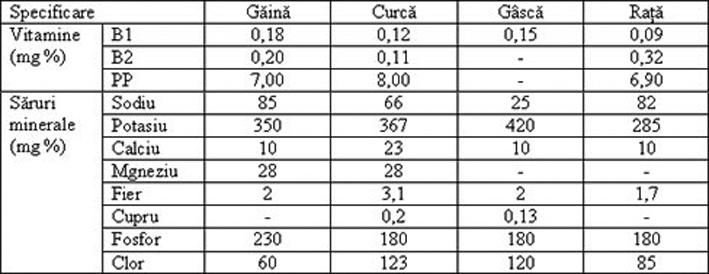
In addition, it is an important source of B-complex vitamins, involved in energy metabolism, as well as minerals such as iron, zinc, selenium and phosphorus. These contribute to the normal functioning of the immune system, the formation of blood cells and the health of bones and teeth.
Another advantage is its high digestibility. Compared to other types of meat, poultry meat has finer muscle fibers and less connective tissue, making it easier to prepare, chew, and digest.
Where do the confusions come from?
The idea that all types of meat have the same nutritional value or that the differences between them are insignificant is frequently circulating in the public sphere. In reality, each type of meat has a different nutritional profile.
Chicken meat stands out for its high protein content, increased digestibility, and low fat content, especially in the case of skinless breast meat. For this reason, it is frequently included in recommendations for the diet of children, the elderly, and those recovering from illness, as part of a varied and balanced diet.
It is important to note that no single food is sufficient for a healthy diet. The benefits of chicken meat are obtained when it is consumed as part of a diversified diet, alongside vegetables, fruits, whole grains, and other sources of nutrients.
In figures
- 21–22% proteins in the uncooked white chicken meat.
- 19–20% proteins in the uncooked chicken red meat.
- Chicken meat provides all essential amino acids necessary for the body.
- It is an important source of B-complex vitamins and minerals such as iron, zinc, selenium and phosphorus.