

What you need to know
Chicken meat is a safe food when produced, transported, stored, and prepared properly. After purchase, the responsibility for maintaining food safety rests with the consumer, through compliance with storage temperatures, avoidance of cross-contamination, and proper thermal preparation.
Most situations that can affect the safety of meat do not occur during production, but in the kitchen, through the interruption of the refrigeration chain or improper handling.
The legislative framework
Regulation (EC) No 852/2004 on the hygiene of foodstuffs
It establishes the general requirements regarding food hygiene and the responsibilities of operators in the food sector.
Regulation (EC) No 853/2004
It establishes specific hygiene standards for food of animal origin, including poultry meat.
Regulation (EU) No 1169/2011
It requires operators to include on the label the storage conditions and instructions necessary for the safe use of the product.
How does it work?
Adhering to a few simple rules significantly reduces the risk of the development of microorganisms and cross-contamination:
At the shopping mall
- buy refrigerated and frozen products at the end of your shopping;
- transport them home as quickly as possible, using a thermal insulated bag in the hot season.
At home
- Keep refrigerated products at the temperature indicated on the label;
- store raw meat separately from food ready to consume;
- respect the consumption deadline.
During preparation
- use separate chopping boards and utensils for raw meat and foods that will not be further thermally prepared;
- wash your hands before and after handling raw meat;
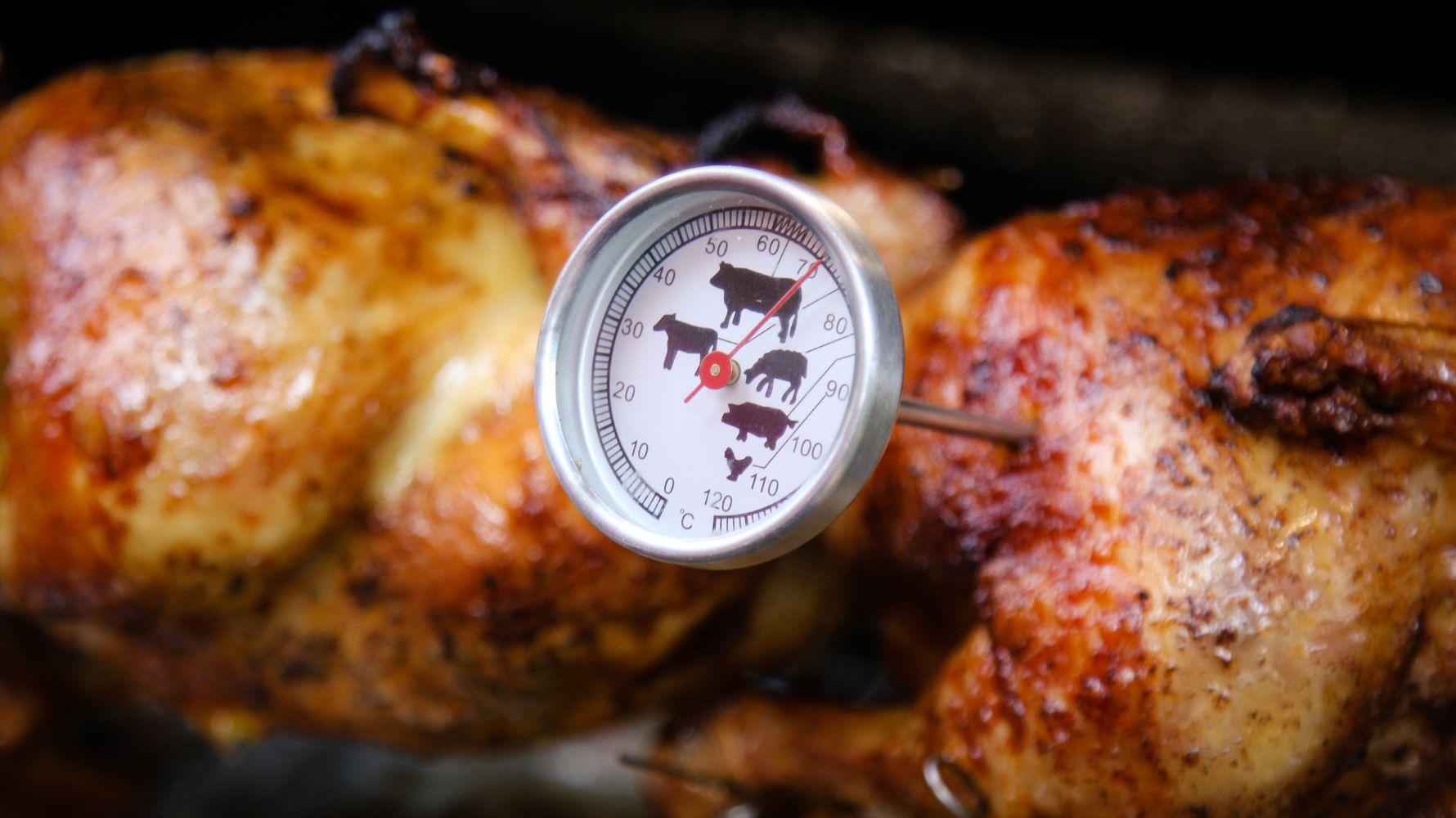
- Cook the product until it is completely prepared, including the thickest part.
How is this aspect managed in the modern poultry industry?
Food safety is built throughout the entire production chain, but it must also be continued at home.
In the modern poultry industry:
- the products are refrigerated or frozen immediately after processing;
- The temperature is continuously monitored during storage and transport;
- the packages contain instructions on how to store and prepare them;
- Each batch is traceable, and hygiene conditions are controlled throughout the entire technological process.
After purchase, maintaining the cold chain and following the instructions on the label are essential for maintaining the quality and safety of the product.
Where do the confusions come from?
One of the most widespread ideas is that washing raw meat before cooking makes it safer. In reality, food safety authorities do not recommend this practice, because the water droplets can spread microorganisms on the sink, countertop, utensils, and other food, increasing the risk of cross-contamination.
Another confusion is that smell or appearance are sufficient to assess the product’s safety. Although these can indicate deterioration, the presence of pathogenic microorganisms cannot always be identified through the senses. Therefore, compliance with the storage temperature, the expiration date, and proper thermal preparation are essential.
Also, many consumers leave the meat to defrost on the kitchen counter. The safest method is slow defrosting in the refrigerator, where the temperature remains controlled and limits the multiplication of microorganisms.
In figures
- 0–4°C – the recommended temperature for storing refrigerated meat (according to the manufacturer’s instructions).
- −18°C or below – the recommended temperature for storing frozen products.
- ≥75°C in the center of the product – the recommended internal temperature for the safe preparation of poultry meat, according to international food safety guidelines.
- Compliance with the cold chain and the avoidance of cross-contamination are two of the most effective measures for preventing food poisoning.
In a nutshell
✔ Keep the chicken meat at the temperature indicated on the label and follow the cold chain.
✔ Avoid cross-contamination by using separate utensils for raw meat and ready-to-eat foods.
✔ Do not wash raw meat before preparing it.
✔ Defrost the products in the refrigerator and prepare them completely before consumption.
Did you know that...
TRANSAVIA includes on the label of each product information regarding the storage and preparation conditions, so that the safety built throughout the entire production chain is maintained even after purchase. Following these recommendations contributes to maintaining the product’s quality and reducing the risk of food poisoning.
5 common mistakes in the kitchen
- washing the raw meat;
- freezing at room temperature;
- the use of the same meat and vegetable slicer;
- the interruption of the refrigeration chain (leaving the groceries in the car or on the counter);
- Insufficiently prepared meat consumption.