
What you need to know
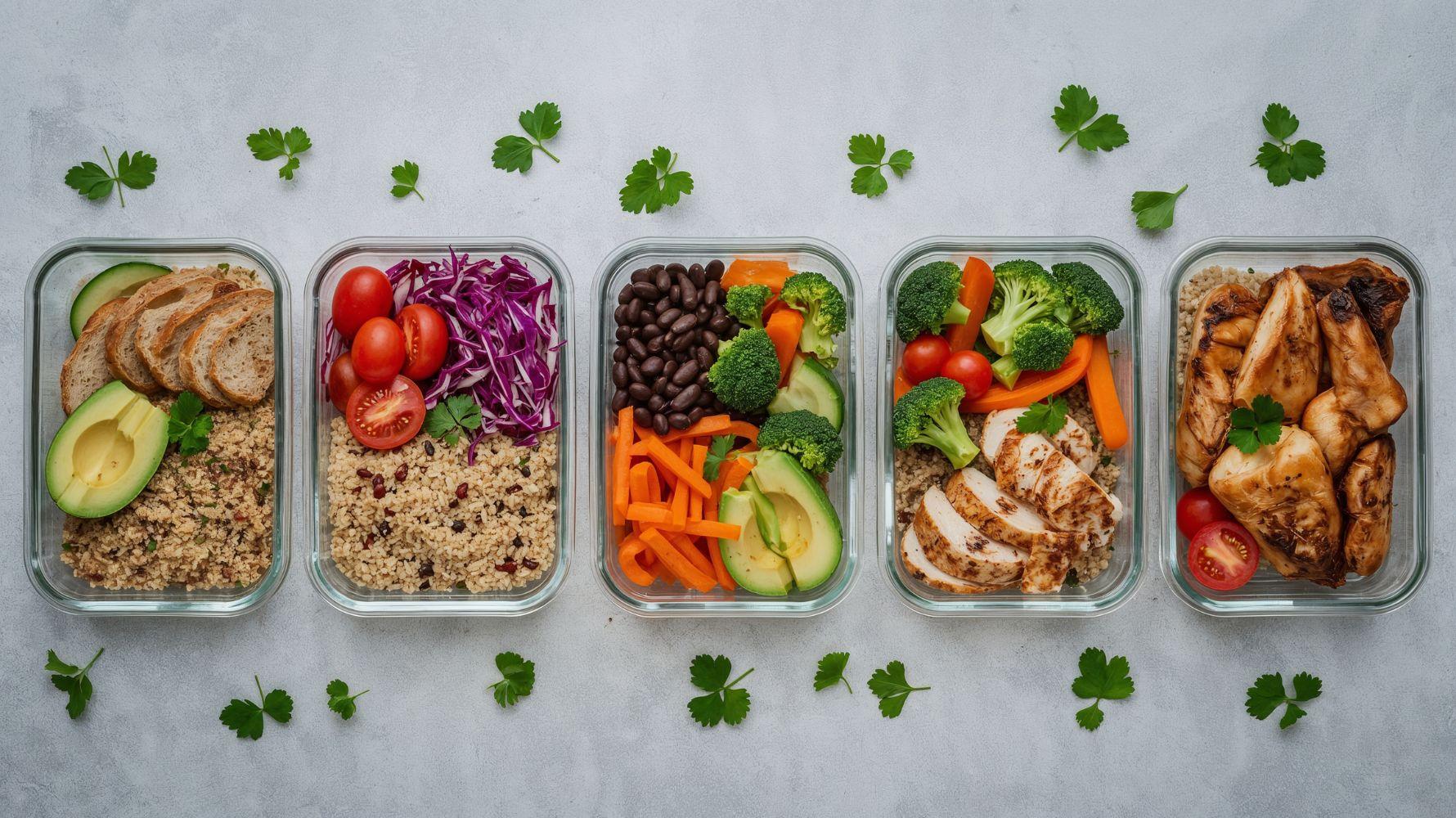
- Chicken meat is one of the most frequently recommended sources of protein within a balanced diet, thanks to its high protein content and its favorable fat profile, especially in the case of skinless chicken breast.
- It is a source of complete protein, providing all the essential amino acids necessary for the body to maintain and rebuild muscle mass.
- There is no single „healthiest” meat. The choice depends on nutritional goals, but chicken meat stands out for its very good ratio of protein intake, low fat content, and accessibility.
The legislative framework
There is no European legislation that classifies one type of meat as „dietary” or „healthier” than another.
In contrast, the communication of nutritional benefits is regulated by:
Regulation (EU) No 1169/2011 on the information to be provided to consumers about food products
- establishes the rules for labeling and informing consumers;
- prohibits the attribution of nutritional or health properties that cannot be demonstrated.
Regulation (EC) No 1924/2006 on nutrition and health claims
- sets the conditions under which mentions such as „rich in protein”, „low in fat” or other nutritional statements can be used;
- prohibits claims that mislead consumers or attribute to a food properties that it does not have.
How does it work?
In most modern diets, the goal is to obtain a high intake of protein with a moderate intake of calories and fat.
Chicken meat meets these requirements very well because:
- provides approximately 21–22 g of protein/100 g in the case of the breast;
- contains little connective tissue, which makes it easy to chew and digest;
- it has a low fat content, especially if it is consumed without the skin;
- it contributes to the sensation of satiety and to the maintenance of muscle mass during weight-control diets.
For this reason, chicken meat is frequently included in dietary recommendations for children, active adults, elderly people, athletes, or people undergoing recovery.
How does it compare to other types of meat?
Each type of meat has its own nutritional characteristics.
- Compared to turkey meat, the differences are reduced. Both are considered lean meats rich in protein and recommended in a balanced diet. Depending on the anatomical piece analyzed, the skinless chicken breast usually has a slightly lower fat and calorie content, while the turkey breast can have a very close or even slightly higher protein content. Practically speaking, both are excellent choices, with minor differences.
- Compared to beef, chicken meat generally has a lower content of saturated fats and is easier to digest.
- Compared to pork meat, especially certain anatomical parts, the skinless chicken breast has a lower fat and calorie content.
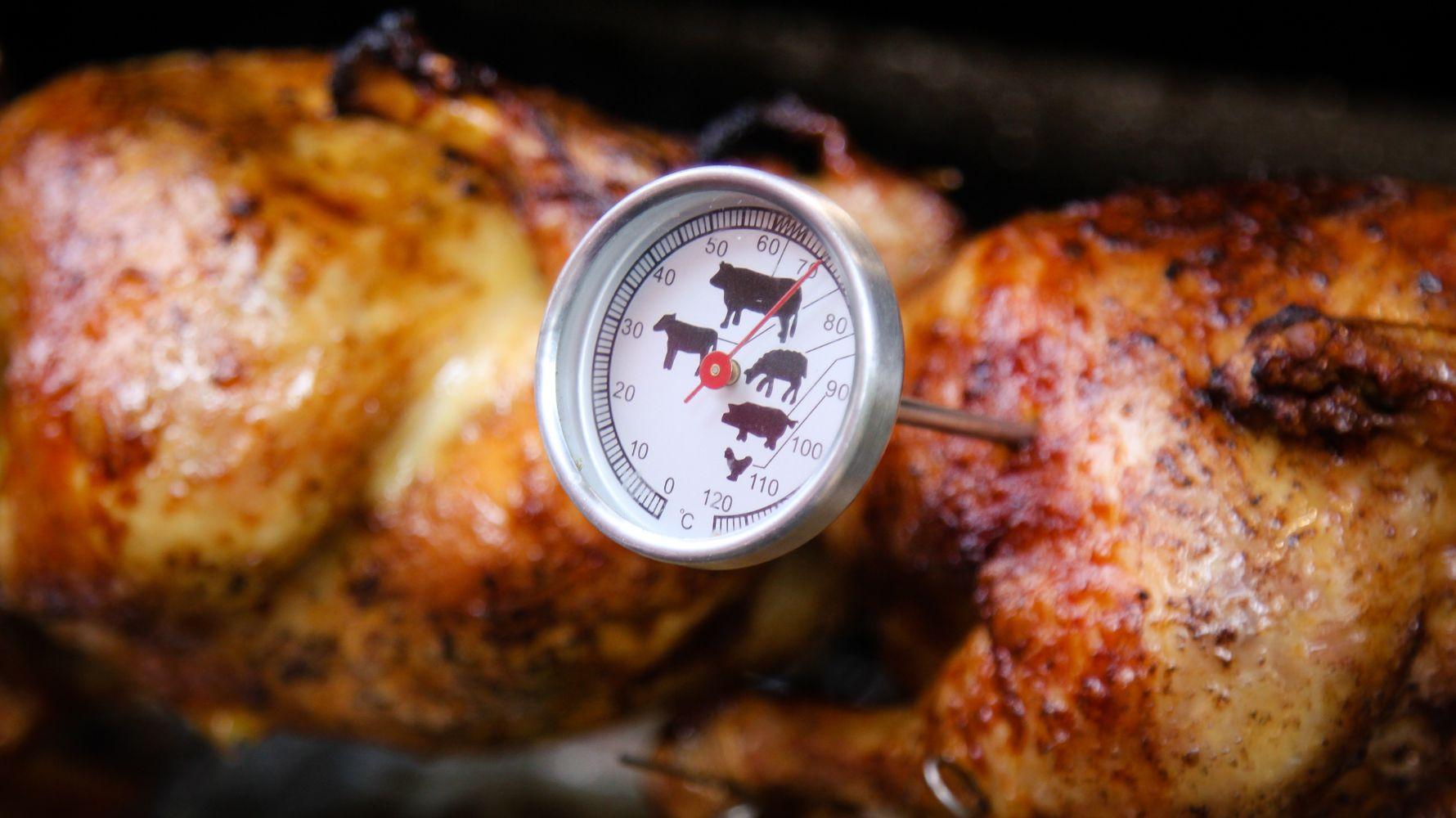
More important than the choice between chicken and turkey is the method of preparation. Baking, grilling, steaming, or air frying preserves the more favorable nutritional profile than frying in a pan of oil.
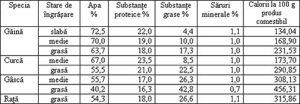
Source: https://www.avicultura.ro/avicultura-romaneasca/carnea-pasare-aliment-ideal-pentru-toate-varstele
How is this aspect managed in the modern poultry industry?
The nutritional quality of meat begins already in the farm.
In modern growing systems, this is supported by:
- balanced nutrition adapted to each stage of development;
- the permanent monitoring of the health status of the birds;
- compliance with welfare standards;
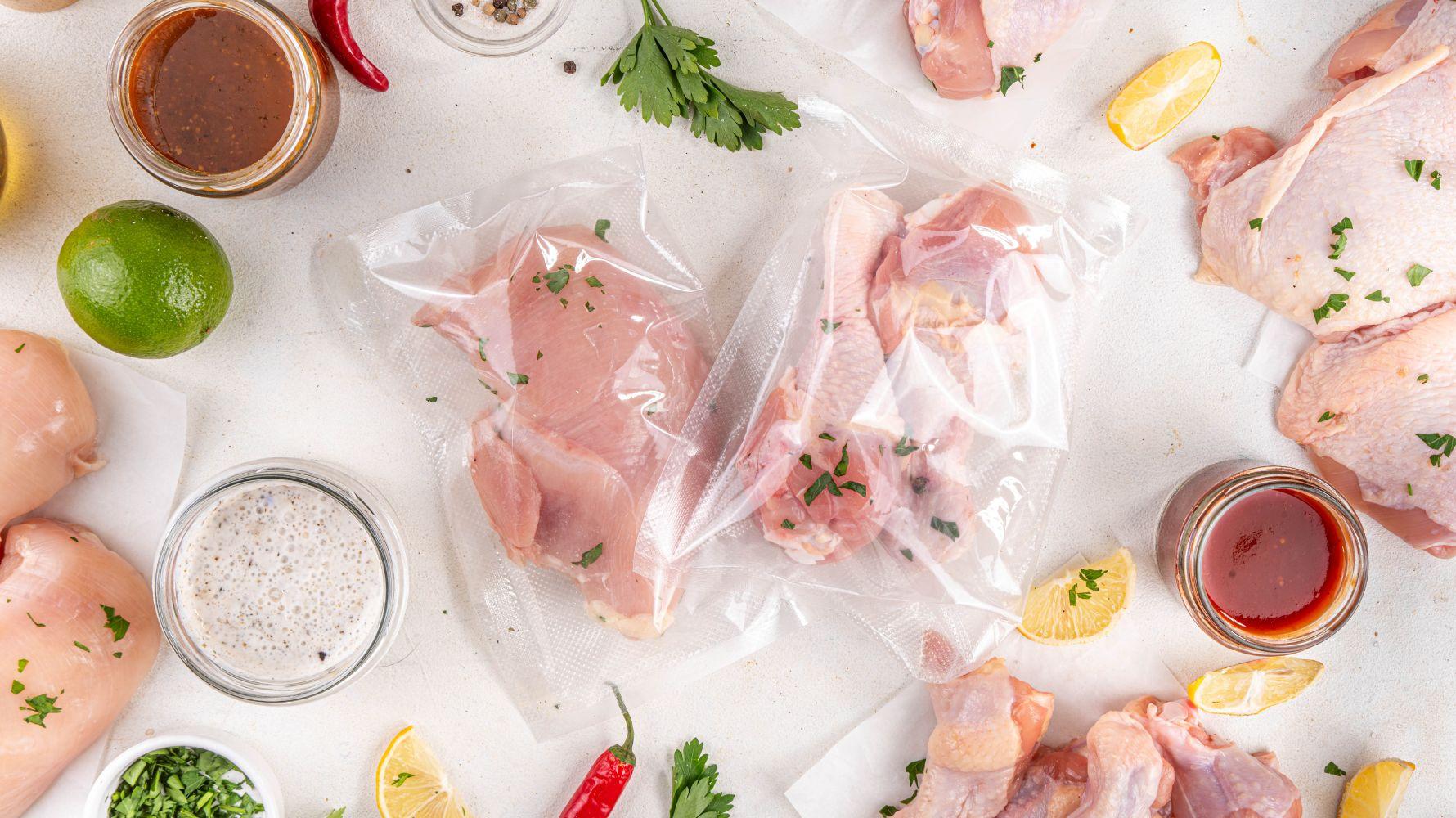
- controlled processing and cooling to maintain product quality.
These measures contribute to obtaining meat with constant and safe nutritional properties for consumption.
Where do the confusions come from?
One of the most widespread ideas is that there is only one „ideal” meat for weight loss or a healthy lifestyle.
In reality, there is no absolute hierarchy among meat types; rather, there are different nutritional profiles. The differences between chicken and turkey, for example, are minor and depend on the anatomical structure, the presence of the skin, and the method of preparation.
Also, many people compare different types of meat without comparing the same anatomical piece. For example, skinless chicken breast is compared to pork belly or turkey breast, which can lead to erroneous conclusions regarding the fat content or calories.
In practice, the way it is prepared and the amount consumed influence a meal's nutritional profile much more than the differences between chicken and turkey meat.
In figures
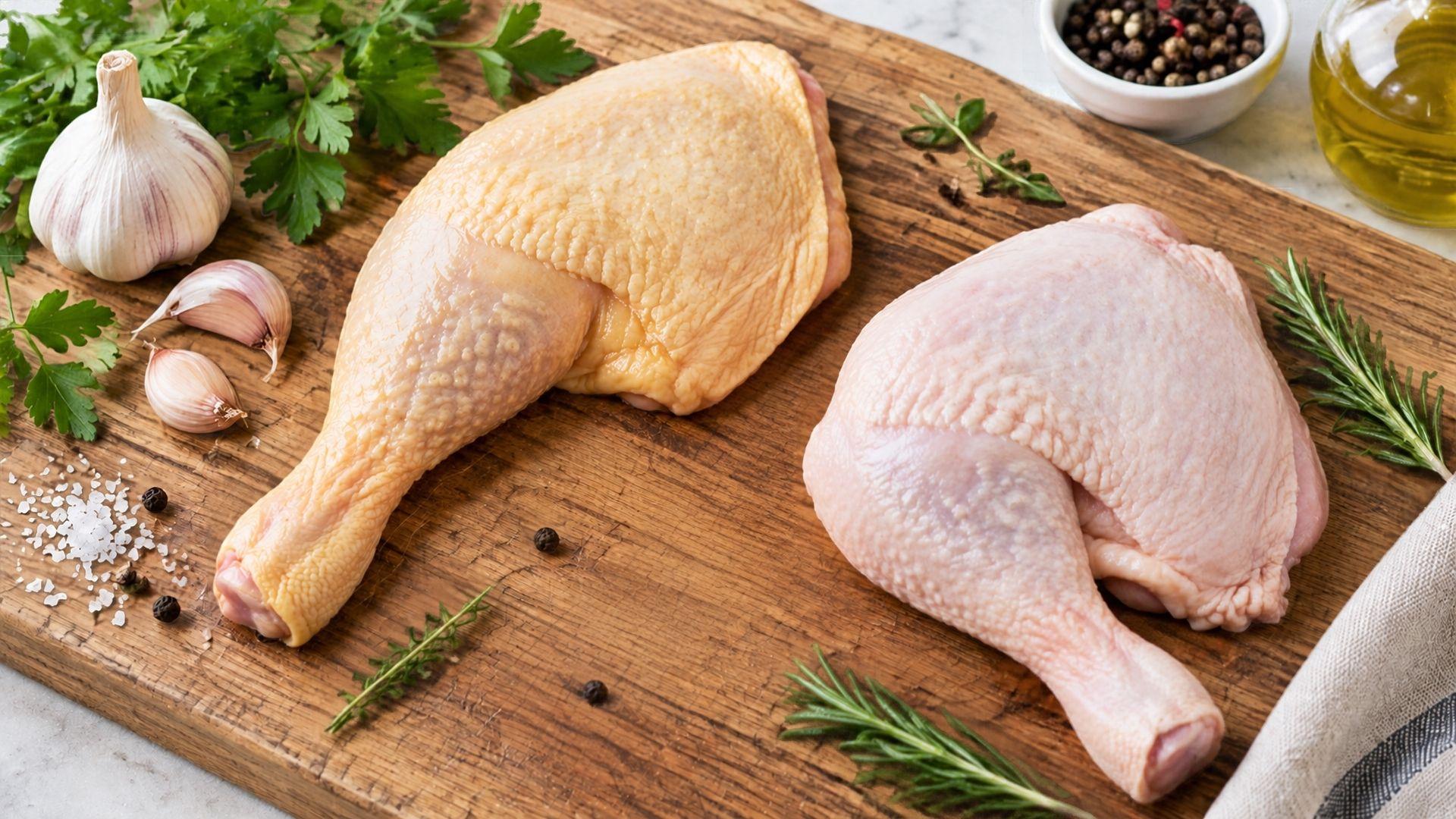
- 21–22 g protein/100 g – the protein content of white chicken meat is negligible.
- 19–20 g protein/100 g – the protein content of the red chicken meat denied.
- 100 g of skinless chicken breast provides approximately 22.5 g of protein, 2.6 g of fat and 120 kcal.
(https://embed.myfooddata.com/nutrition-facts/171077/100g/1) - Chicken meat contains all the essential amino acids needed by the body.
- Compared to many other types of meat, the skinless chicken breast is among the anatomical parts with the lowest fat and calorie content.
In a nutshell
Chicken meat is one of the most valuable sources of protein within a balanced diet.
✔ It is rich in complete proteins, easily digestible and, especially in the case of the skinless breast, has a low fat content.
In a healthy diet, the whole food intake and the way it is prepared matter, not the choice of just one food considered „perfect”.