
What you need to know
- The freshness and safety of chicken meat are not evaluated by a single criterion, but by analyzing the entire package: appearance, packaging, storage temperature, and the information on the label.
- A safe product must come from a sanitary-veterinary approved unit, be stored in refrigeration or freezing conditions and have the packaging intact.
- The label provides essential information about the shelf life, storage conditions, the origin of the product, and traceability.
The legislative framework
Main legislative acts
Regulation (EU) No 1169/2011 on the information to be provided to consumers about food products
- determines the mandatory information that must appear on the label;
- prohibits misleading the consumers.
Regulation (EC) No 853/2004
- establishes specific hygiene rules for food of animal origin;
- impose the handling, refrigeration and marketing conditions for poultry meat.
Regulation (EU) 2017/625
- sets the framework for official controls carried out on food of animal origin.
Regulation (EU) No 343/2026
- sets the marketing standards for poultry meat in the European Union.
How does it work?
The quality of meat begins with the way it is produced and continues with compliance with the cold chain until the time of purchase.
When choosing a product, it is recommended to check:
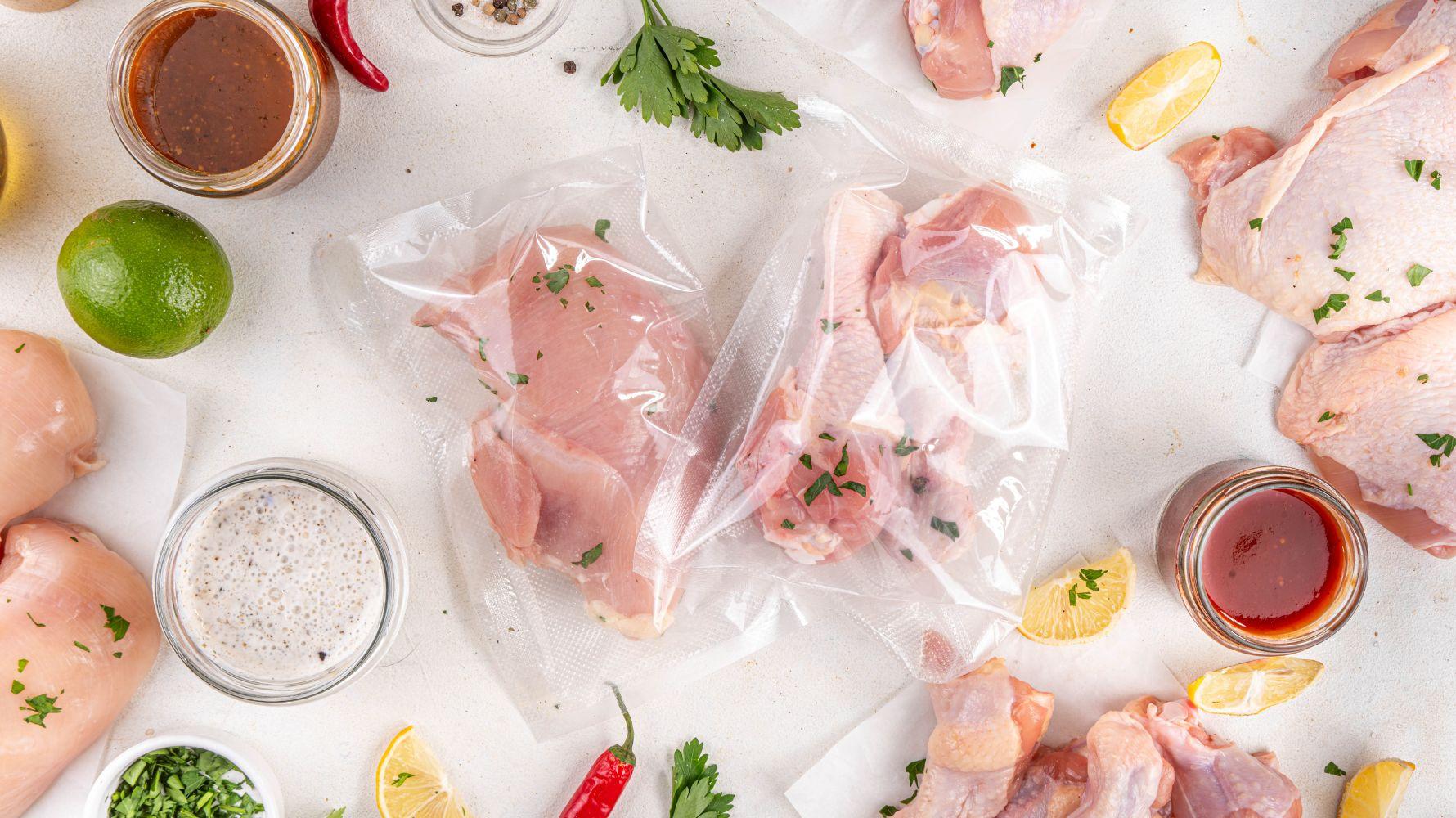
- the packaging – it must be intact, without perforations, leaks or damage that could compromise the safety and freshness of the product.
- Appearance and consistency – the meat must have a fresh appearance, without obvious color changes. Upon touch (after opening the package), the surface must be firm and slightly moist, not sticky, viscous, or covered with a slimy layer; these are signs that may indicate product deterioration. Consistency can only be verified after opening the package, as it cannot be properly evaluated through the foil.
- the smell – the meat must have a discreet smell, typical of raw meat, without strong or persistent notes. If the product has a strong, acidic, pungent, rotten or ammonia smell, it is a sign that the product has deteriorated and should not be consumed.
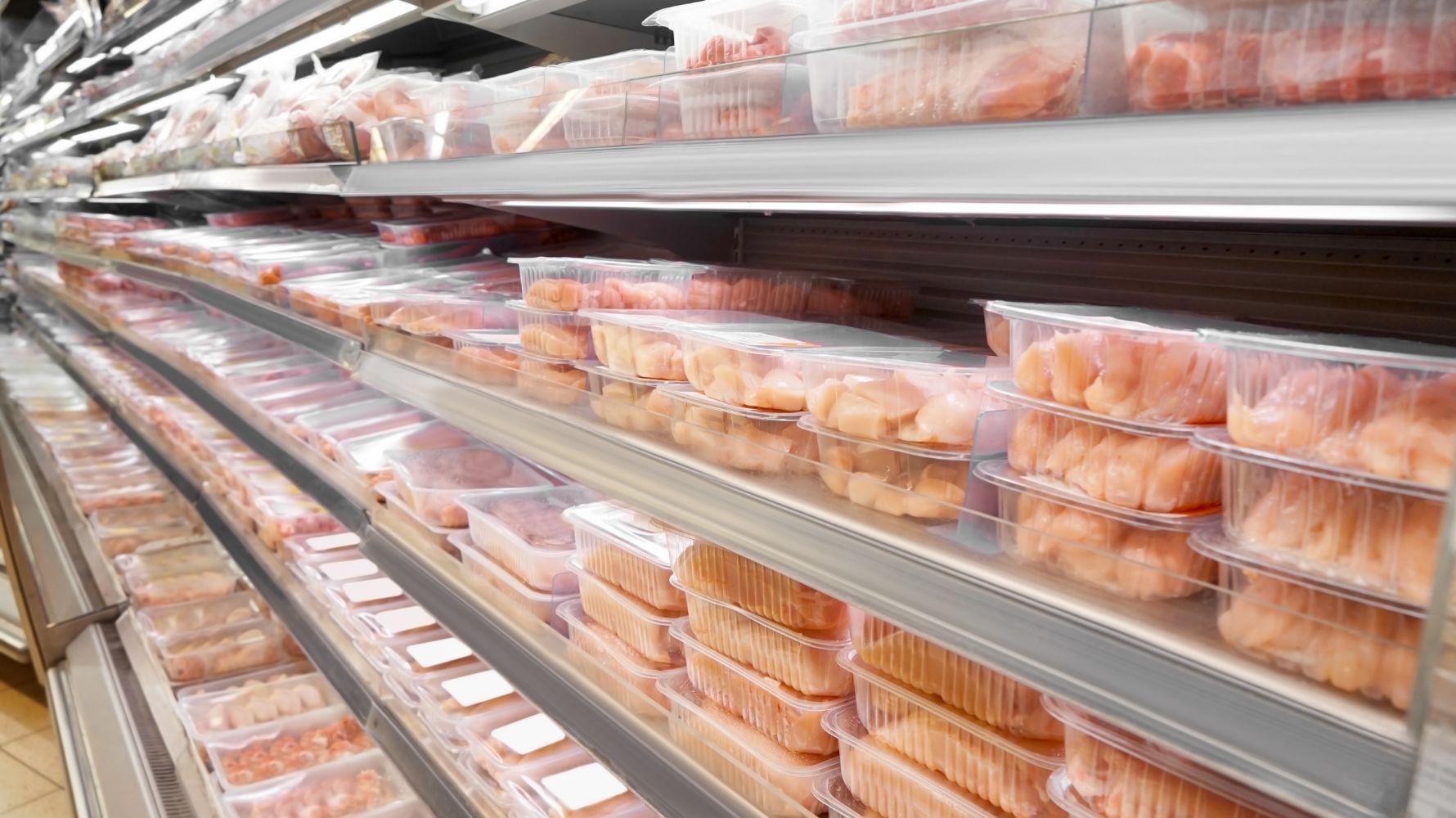
- storage temperature – the product must be displayed in refrigerated showcases and stored in accordance with the instructions on the label, without interrupting the refrigeration chain.
- label – must contain information regarding the expiration date, storage conditions, the responsible operator and the batch of the product.
These elements provide much more information about the product's quality than the color of the skin or other visual characteristics.
How is this aspect managed in the modern poultry industry?
In the European Union, every batch of poultry meat must be traceable throughout the entire food chain.
This involves:
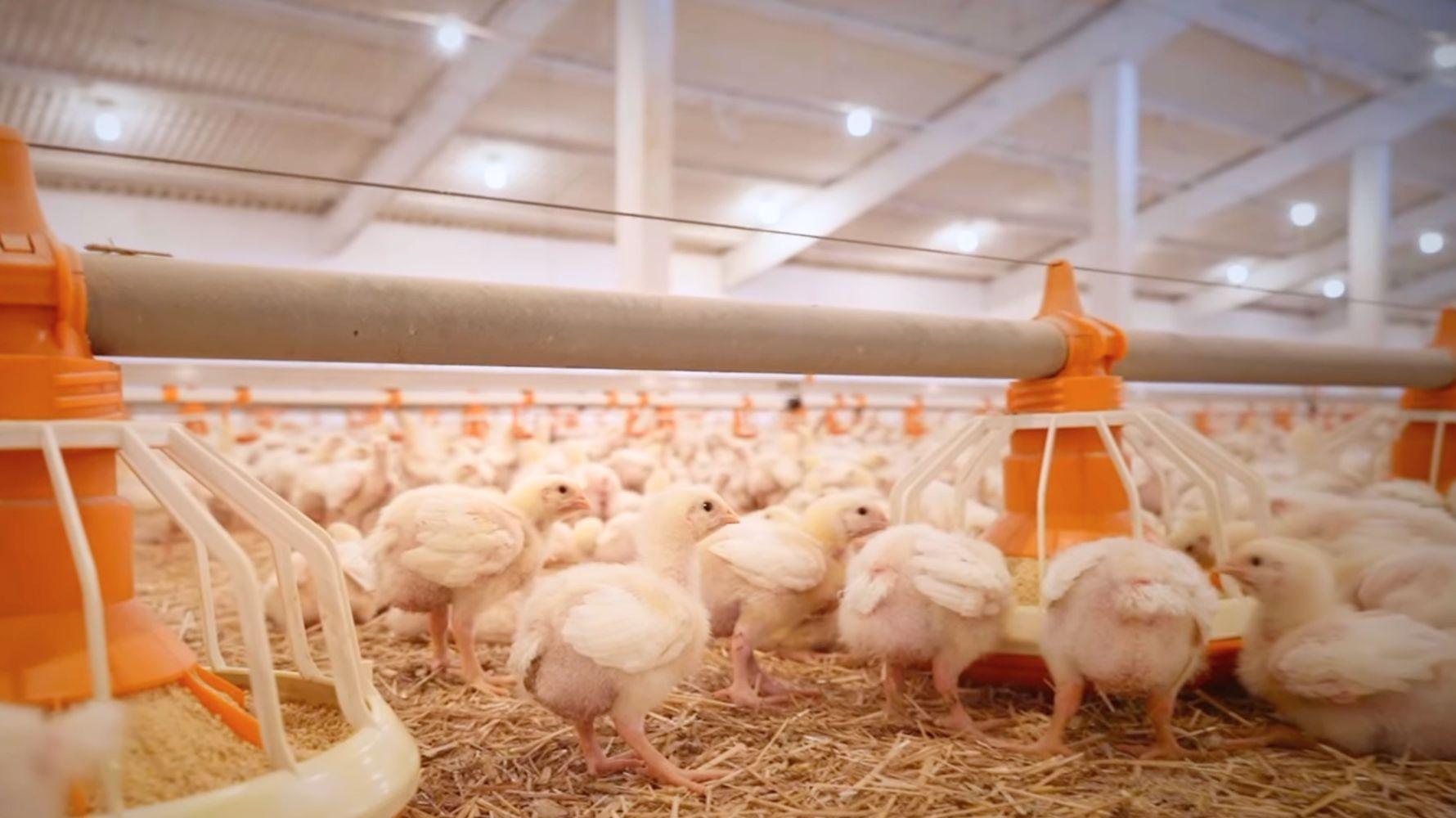
- traceability of the product from the farm to the shelf;
- official veterinary controls before and after slaughter;
- compliance with the cooling temperatures during processing, transportation and marketing;
- labeling in accordance with European legislation regarding consumer information.
Through these measures, consumers can identify the origin of the product and have access to the information necessary for an informed choice.
Where do the confusions come from?
There are numerous perceptions that the freshness of the meat can be judged solely by its color or by the amount of liquid in the package.
In reality:
- The color may vary within normal limits, depending on the anatomical part, the diet of the birds and the natural process of meat maturation;
- a small amount of liquid in the packaging is a normal phenomenon and mainly represents water released naturally from tissues during cooling, not added water;
- a package in protective atmosphere may have a different appearance than a conventionally packaged one, without this indicating a difference in quality.
Another common myth is that the product with the shortest shelf life is fresher. In reality, freshness is determined by the date of production and compliance with storage conditions, and all products legally on sale must meet the same food safety requirements.
In figures
Consumers can check on the label:
- date of consumption;
- storage conditions (usually 0–4°C for refrigerated products);
- the country of origin, when mandatory;
- the lot number for traceability;
- the health mark (oval stamp), which certifies that the product comes from a sanitary-veterinary authorized unit and was obtained in accordance with European food safety requirements.
In a nutshell
Always choose products with intact packaging, stored at the recommended temperature, and originating from sanitary-veterinary approved units.
✔ Check the label, not just the product’s appearance: the expiration date, storage conditions, batch and origin provide essential information about traceability and safety.
✔ Normal color and smell, and firm, non-sticky texture are indicators of freshness.
✔ After purchase, transport the meat as quickly as possible to the refrigerator and follow the storage and preparation instructions provided by the manufacturer.
Checklist on the shelf in 30 seconds:
✓ Packaging intact
✓ Refrigerated or frozen properly
✓ Data limit of consumption verified
✓ Complete and legible label
✓ Oval health mark present
✓ The product is the last one put in the basket to keep the refrigeration chain for as long as possible.