

What you need to know
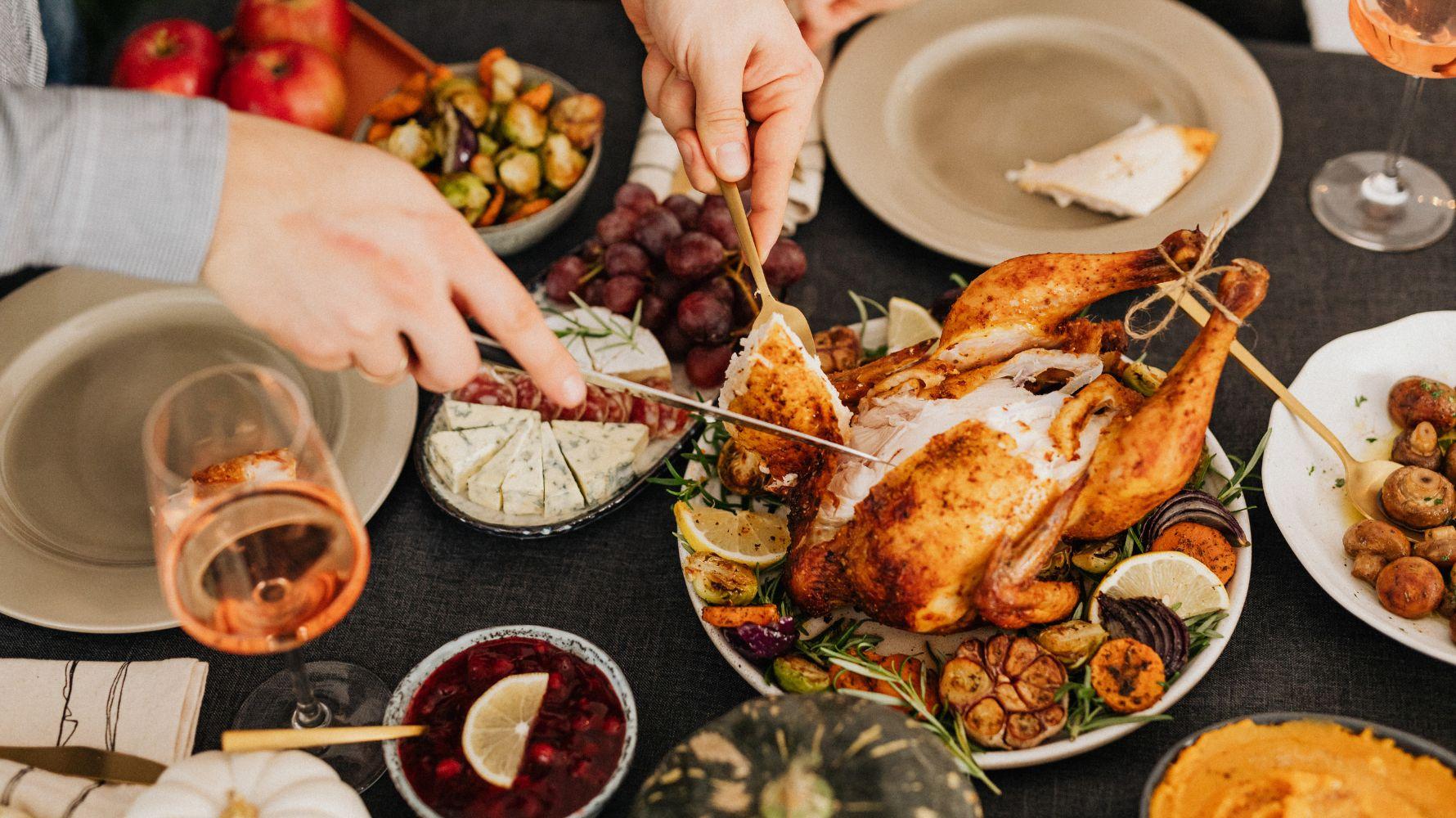
Many consumers associate expressions such as „as in the old days”, „from grandma’s recipe” or „grown up in the countryside” with higher quality. In reality, these formulations describe a marketing image and not a measurable standard of quality. In terms of nutrition, chicken meat today offers the same complete proteins and essential nutrients. Differences in taste, texture or color are influenced by factors such as breed, age of the bird, diet and preparation method. The biggest change in recent decades is not the nutritional value of the meat, but the level of control, traceability and food safety that accompanies the product from farm to consumer.
The legislative framework
Directive 2007/43/EC
Sets the minimum standards for the protection of growing piglets for meat production.
Regulation (EC) No 852/2004
Sets the general hygiene rules for food products.
Regulation (EC) No 853/2004
Sets specific hygiene regulations for food of animal origin.
Regulation (EU) 2017/625
It regulates the official controls carried out throughout the entire agri-food chain.
How does it work?
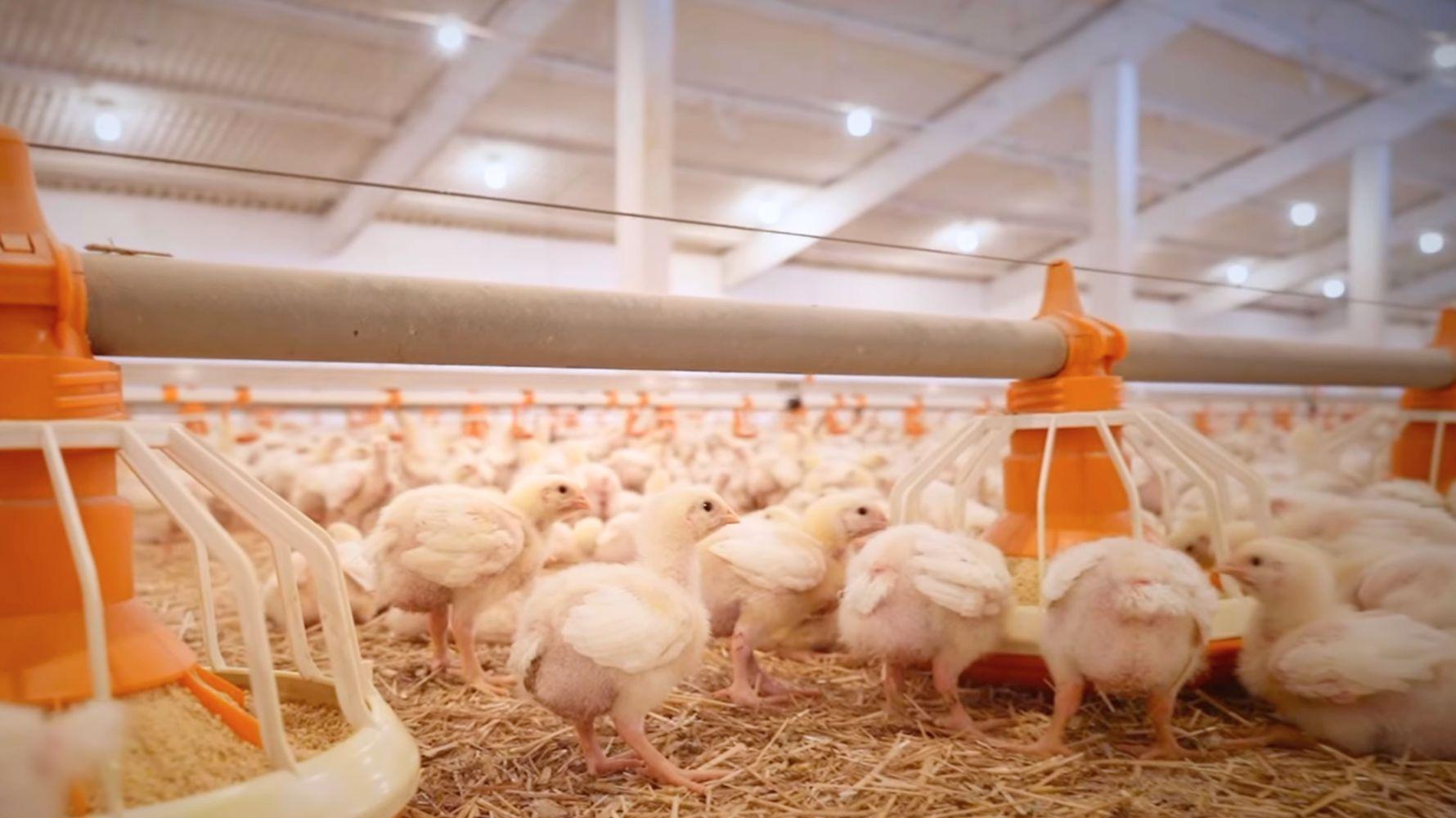
In modern farms, every stage is monitored and documented:
- the origin of the feed is known and controlled;
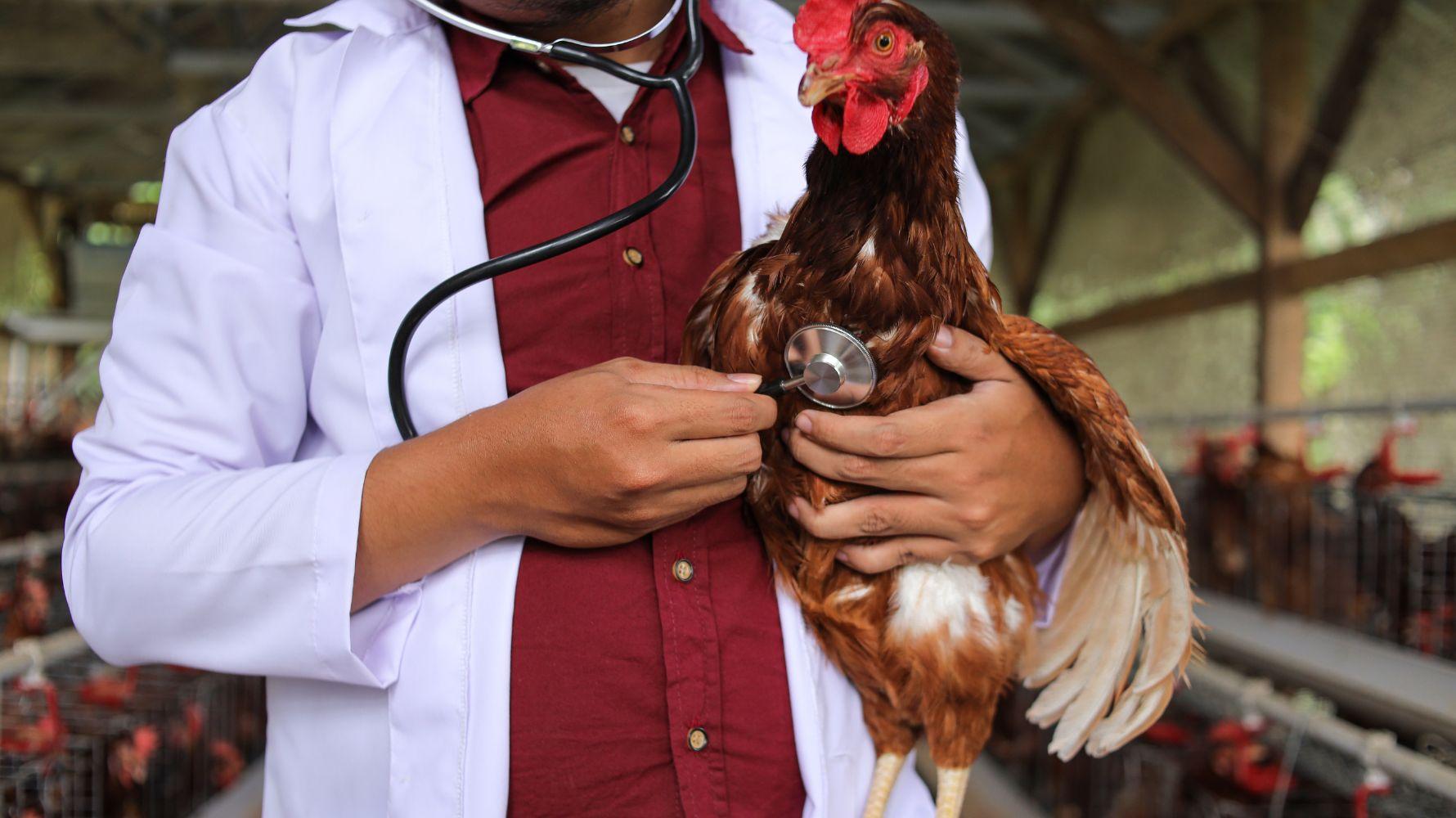
- the health and well-being of the birds are continuously monitored by veterinary doctors;
- the growing conditions (temperature, ventilation, water and food) are continuously controlled;
- each batch is traceable throughout the entire production chain;
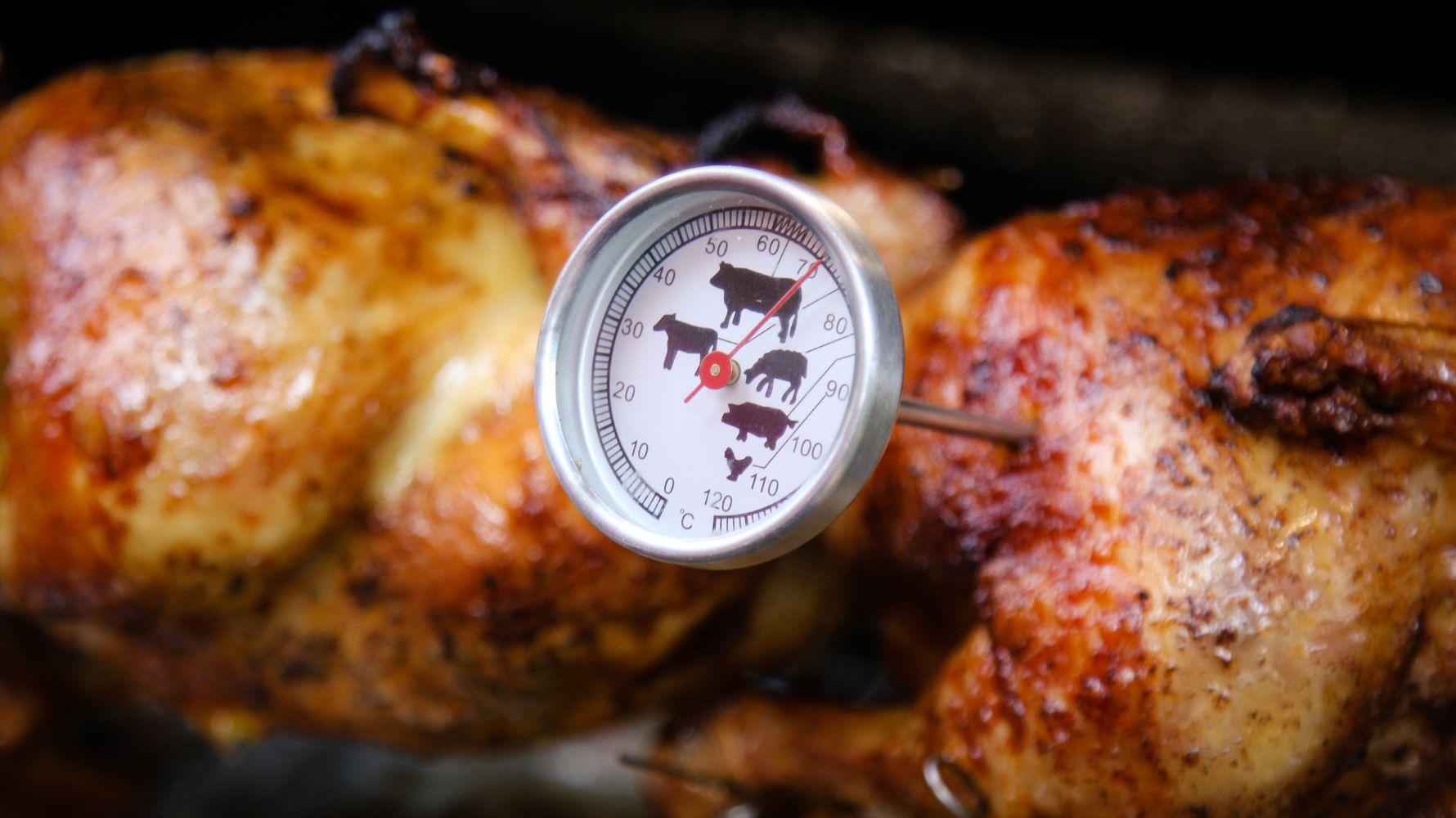
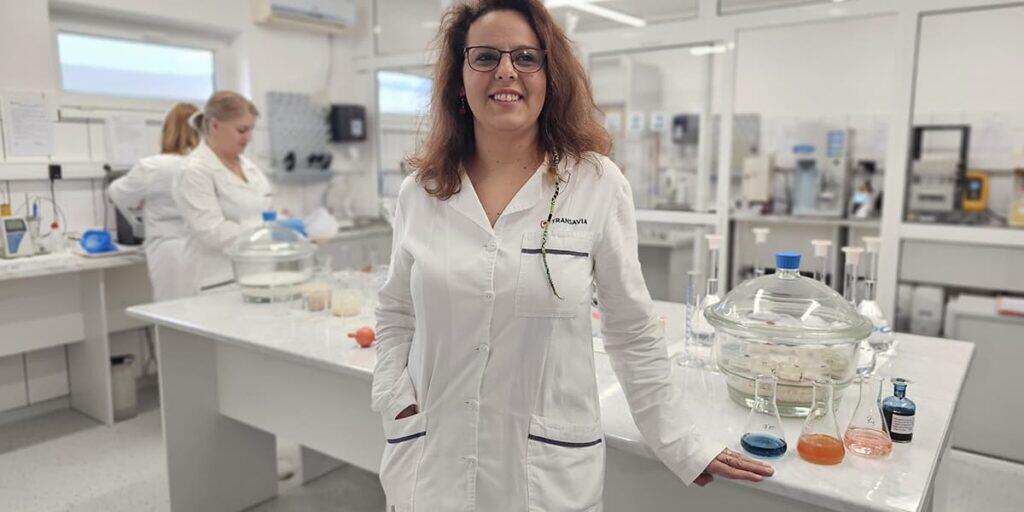
- The final product is verified through internal and official controls.
This system allows the rapid identification of any non-compliance and the application of corrective measures when necessary.
How is this aspect managed in the modern poultry industry?
Modern chicken farms operate within a strict European legislative framework that sets requirements regarding animal welfare, biosecurity, nutrition, herd health, hygiene, and product traceability. These rules are applied regardless of the farm’s size and are verified through official controls.
In modern conventional systems:
- The microclimate (temperature, ventilation and humidity) is constantly monitored;
- food and water are controlled and adapted to the needs of the birds;
- veterinarians monitor the health status of the teams;
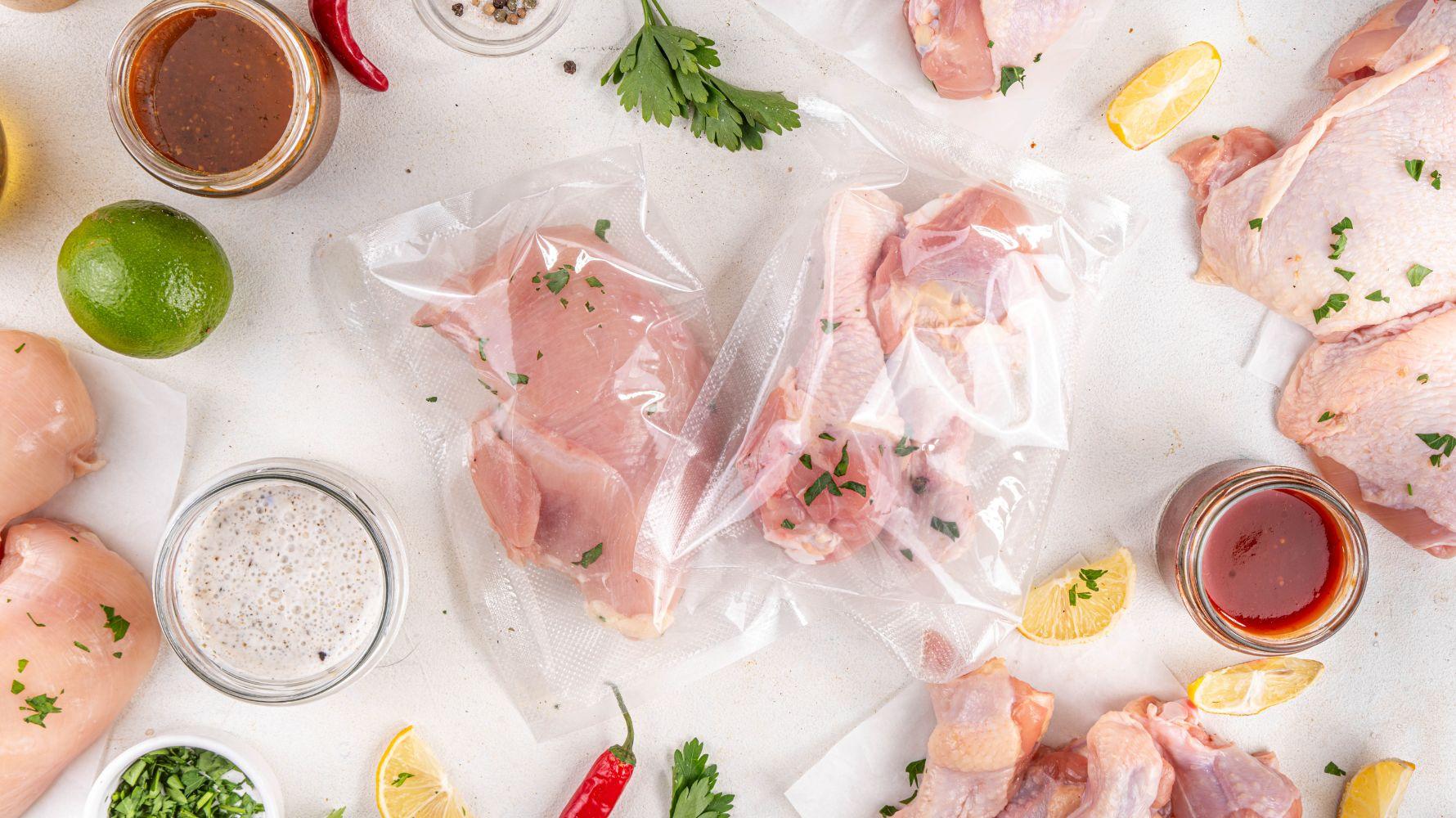
- Each lot is traceable throughout the entire food chain, from the farm to the finished product;
- farms, feed factories and processing units are subject to official controls.
The purpose of these measures is to reduce the risks to animal health and to obtain safe and consistently high-quality products.
Where do the confusions come from?
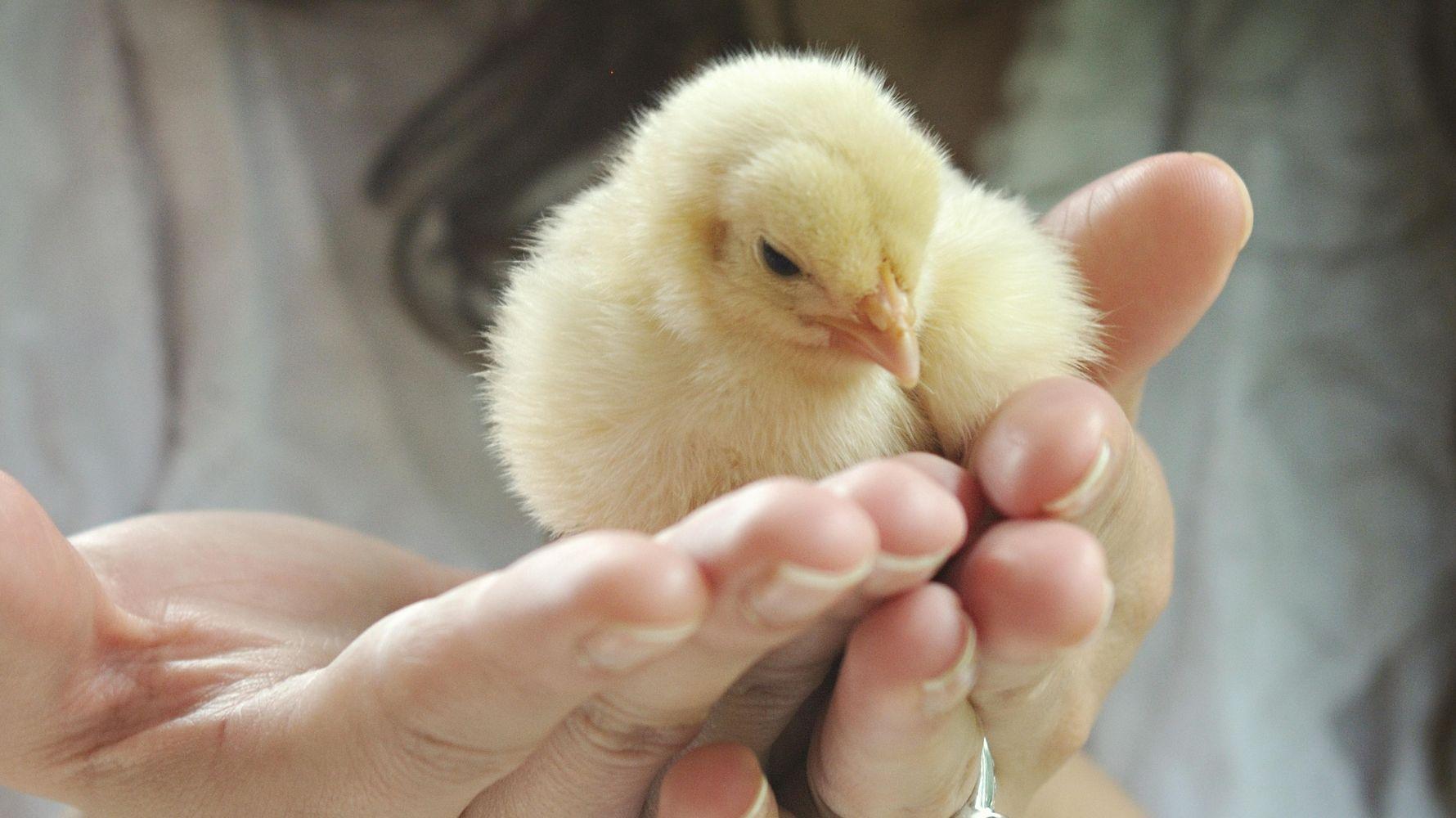
Nostalgia can influence the way we perceive the taste of food, and that is why expressions like „grandma’s chicken”, „like old times” or „raised in the country” have been exploited through marketing techniques that often create automatic associations with the idea of superior quality. In reality, these terms are not defined or certified by European legislation and do not, by themselves, guarantee a certain method of rearing, a different nutritional value or a higher level of food safety. Of course, a chicken can be raised in a very good household conditions. At the same time, modern farms operate according to strict standards regarding animal welfare, biosecurity, traceability and veterinary control. Quality is not determined by where the bird is raised, but by how these requirements are respected.
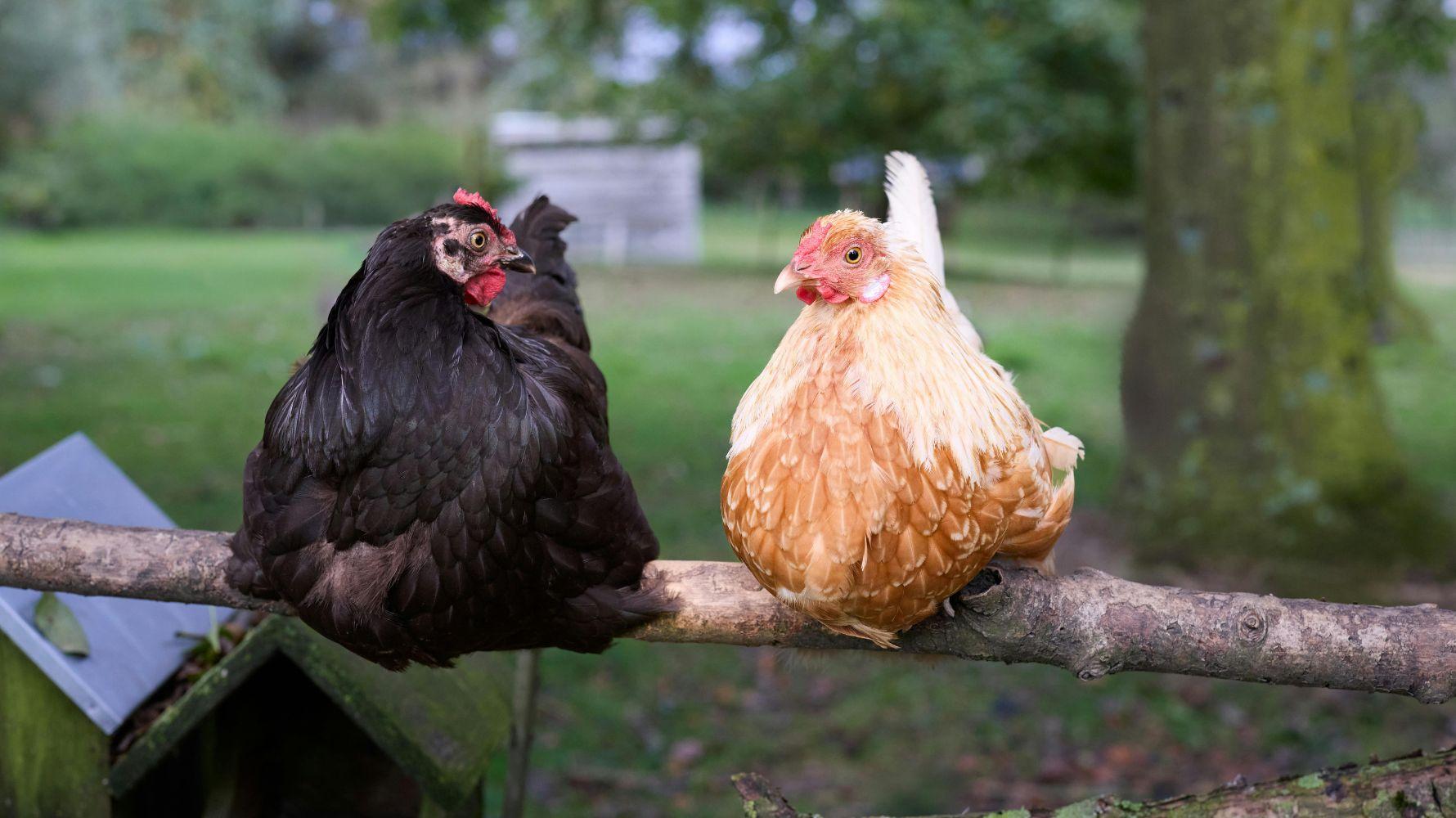
Another confusion is that free-range poultry would be the norm in Europe. In reality, approximately 90% of the chicken meat consumed in the European Union comes from conventional systems of production, in microclimate and controlled feed systems, while only approximately 10% comes from alternative systems (free-range, semi-free range or extensive systems). In Romania, production from alternative systems represents approximately 3–4% of the total poultry production.
In figures
- ≈90% of the chicken meat consumed in the European Union comes from conventional systems of raising, with controlled microclimate and feeding.
- ≈10% come from alternative systems (open air, semi-freedom or extensive systems).
- In Romania, approximately 3–4 percent of the chicken meat production comes from alternative rearing systems.
Date: Union of Bird Breeders in Romania
In a nutshell
✔ Expressions such as „old-fashioned”, „from my grandmother’s” or „as in the old days” do not represent quality standards recognized by the legislation.
The biggest difference compared to the past is the level of control, traceability and food safety applied in modern farms.
Animal welfare, biosecurity and continuous monitoring contribute to obtaining safe and consistently high-quality products.
The nutritional value of chicken meat is determined by its composition, not by these designations.
Did you know that...
TRANSAVIA is the only producer in Romania that grows and processes exclusively chicken from its own farms, in an integrated „from seed to fork” system. This model allows for control of the entire production chain, from seed to fork, from grain cultivation and feed manufacturing to poultry raising, processing, packaging and distribution, ensuring complete traceability, uniform quality standards and continuous monitoring of animal welfare and food safety.