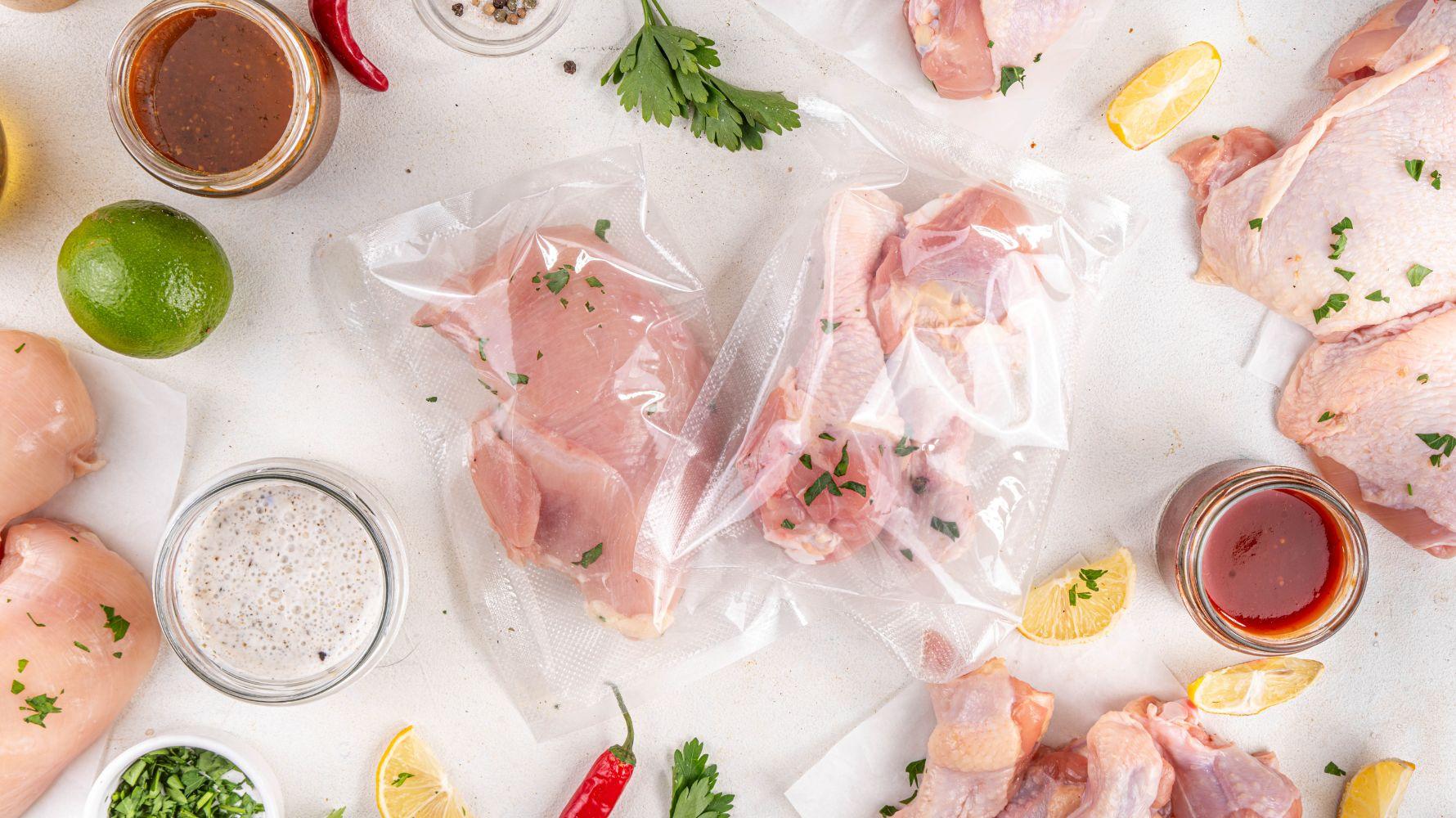


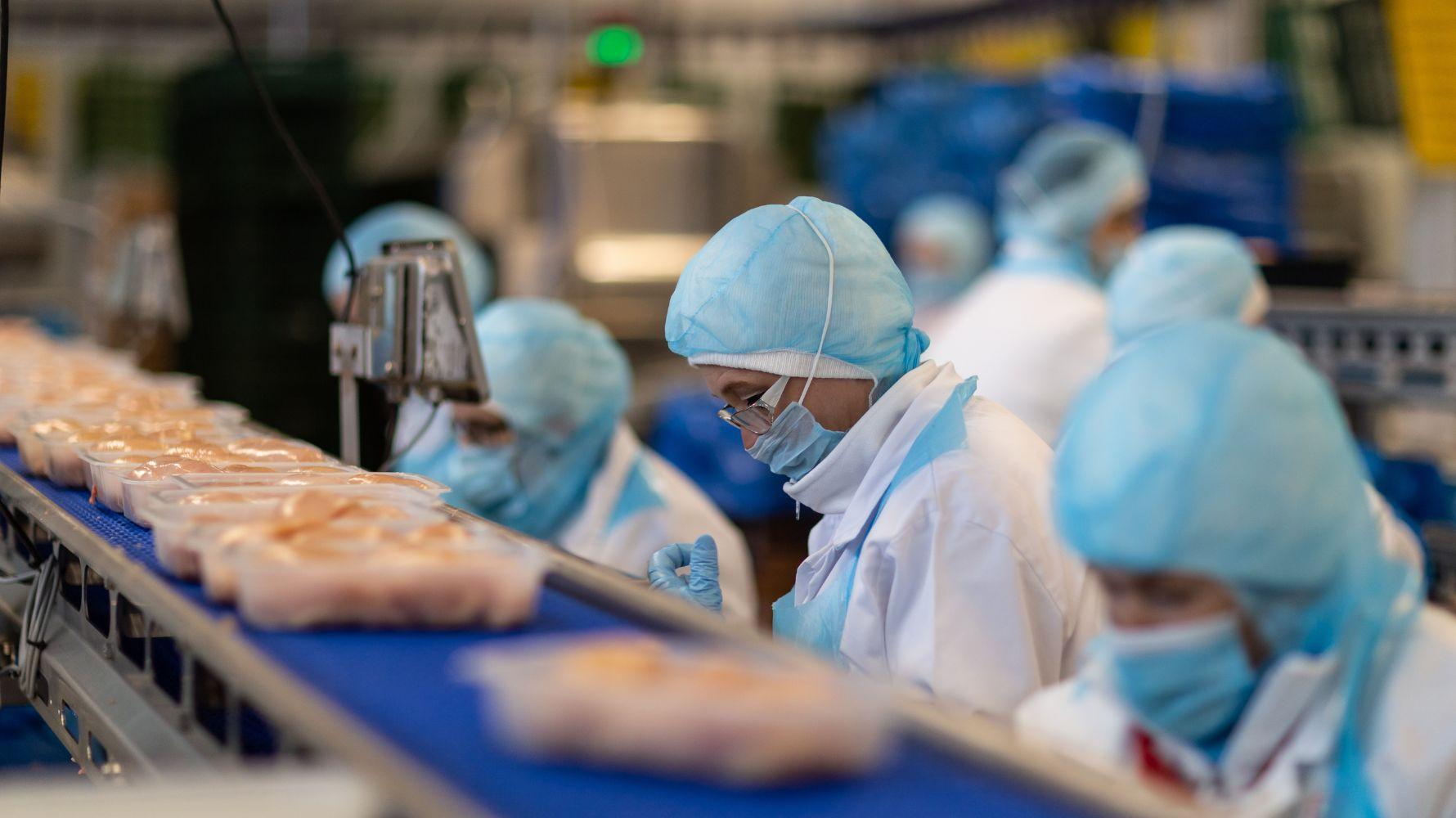
In the case of chicken meat packaged in a protective atmosphere (MAP), a slightly stretched foil usually indicates that the packaging is airtight and that the protective atmosphere is maintained inside. Unlike other categories of food, where the swelling of the packaging can be caused by fermentation, in chilled meat packaged in MAP this aspect is a normal characteristic of the packaging technology.
What you need to know
- Unlike foods such as yogurt, kefir, matured cheeses, sour cream or fermented dough, where fermentation is a natural and desired process, chicken meat does not ferment.
- Packaging in a protective atmosphere (MAP – Modified Atmosphere Packaging) is a technology that extends the freshness of meat by replacing the air in the packaging with a mixture of food gases, approved for use in the food industry.
- The gases used – oxygen, carbon dioxide and nitrogen – are naturally present in the atmosphere and are approved for contact with food.
- MAP does not replace refrigeration and does not „preserve” the product in the sense of using chemical substances. Its role is to slow down the development of microorganisms and to maintain the appearance and freshness of the product for the period indicated on the label.
The legislative framework
Main legislative acts
Regulation (EC) No 1333/2008 on food additives – Authorizes the use of food gases as packaging gases (E938–E949), including oxygen, nitrogen and carbon dioxide.
Regulation (EC) No 1935/2004 on materials and articles intended to come into contact with food – sets the safety requirements for packaging used in the food industry.
Regulation (EC) No. 852/2004 on the hygiene of foodstuffs – sets the general requirements regarding the handling, refrigeration and storage of food.
Regulation (EC) No 853/2004 – sets specific hygiene rules for food of animal origin, including poultry meat.
How does it work?
Normally, the air contains about 78 percent nitrogen, 21 percent oxygen, and very small amounts of carbon dioxide.
In the case of packaging in a protective atmosphere, the air is replaced with a mixture of food gases, chosen depending on the type of product and the desired effect.
These gases have different roles:
- Carbon dioxide (CO₂) contributes to slowing the development of microorganisms that can alter the product.
- Oxygen (O₂) helps to preserve the natural color of meat and limits the development of certain anaerobic bacteria.
- Nitrogen (N₂) is an inert gas that prevents the deformation of the packaging and protects the product during storage and transportation.
The gases do not alter the nutritional value, taste or composition of the meat and do not replace the compliance with the refrigeration chain. The product must be kept permanently at the recommended temperature by the manufacturer.
How is this aspect managed in the modern poultry industry?
The packaging in protective atmosphere is widely used by modern meat producers worldwide, who invest in ensuring the quality and safety of the products they offer.
For the technology to work correctly, the following are essential:
- the use of authorized food gases;
- the perfect sealing of the packaging;
- compliance with the cooling temperature throughout the entire logistics chain;
- the continuous monitoring of the packaging process and the quality of the sealing.
If one of these factors is not respected, the shelf life of the product may be reduced.
Where do the confusions come from?
One of the most common questions is related to the bulging appearance of the packaging. Many consumers associate this aspect with the deterioration of the product, because in the case of foods such as yogurt, kefir, matured cheeses, curds or fermented dough, the bulging of the packaging can be the result of fermentation, a biological process in which microorganisms produce gases. Chicken meat does not ferment.
In the case of products packaged in protective atmosphere (MAP), a slightly tensioned or inflated film is usually a sign that the packaging is airtight and that the protective atmosphere remains inside. This aspect is a normal characteristic of packaging technology and does not in itself indicate product deterioration.
Another confusion is that the gases in the packaging would represent „chemical substances” added to the meat. In reality, they are not introduced into the product; they are only found in the space between the meat and the foil, where they create an environment that slows down the development of microorganisms and helps maintain freshness. After opening the packaging, the gases quickly disperse into the air.
Also, the gases used in the protective atmosphere, oxygen, carbon dioxide and nitrogen, are natural components of the air we breathe. The difference lies only in their proportion, which is adjusted according to the type of product to maintain its freshness and quality during the shelf life.
In figures
- The atmospheric air contains approximately:
- 78% nitrogen (N₂)
- 21% oxygen (O₂)
- 0.04% carbon dioxide (CO₂)
- The gases used in MAP are food-grade gases authorized at the European Union level.
- Studies show that packaging in a protective atmosphere, together with refrigeration, can significantly extend the shelf life of meat compared to packaging in air, without changing the product's nutritional value.
In a nutshell
✔ A slightly bulging foil is usually a sign that the packaging is airtight and the protective atmosphere is maintained. Normally, the bulging will subside within 1-2 days of packaging.
✔ Packaging in protective atmosphere (MAP) extends the freshness of the meat by replacing the air with a mixture of authorized food gases.
The gases used are oxygen, carbon dioxide and nitrogen, natural components of the atmosphere, and do not alter the nutritional value or taste of the meat.
Did you know that...
TRANSAVIA was the first producer in Romania to introduce, since 2006, protective atmosphere packaging (MAP) for fresh chicken meat, contributing to raising the quality and food safety standards in the industry. Today, this technology is used for the company’s refrigerated products to maintain freshness, quality, and food safety throughout the entire shelf life, with uninterrupted compliance with the refrigeration chain. The protective atmosphere does not replace refrigeration; it acts together with it to slow down the natural deterioration of the product and to preserve its organoleptic characteristics.