
What you need to know
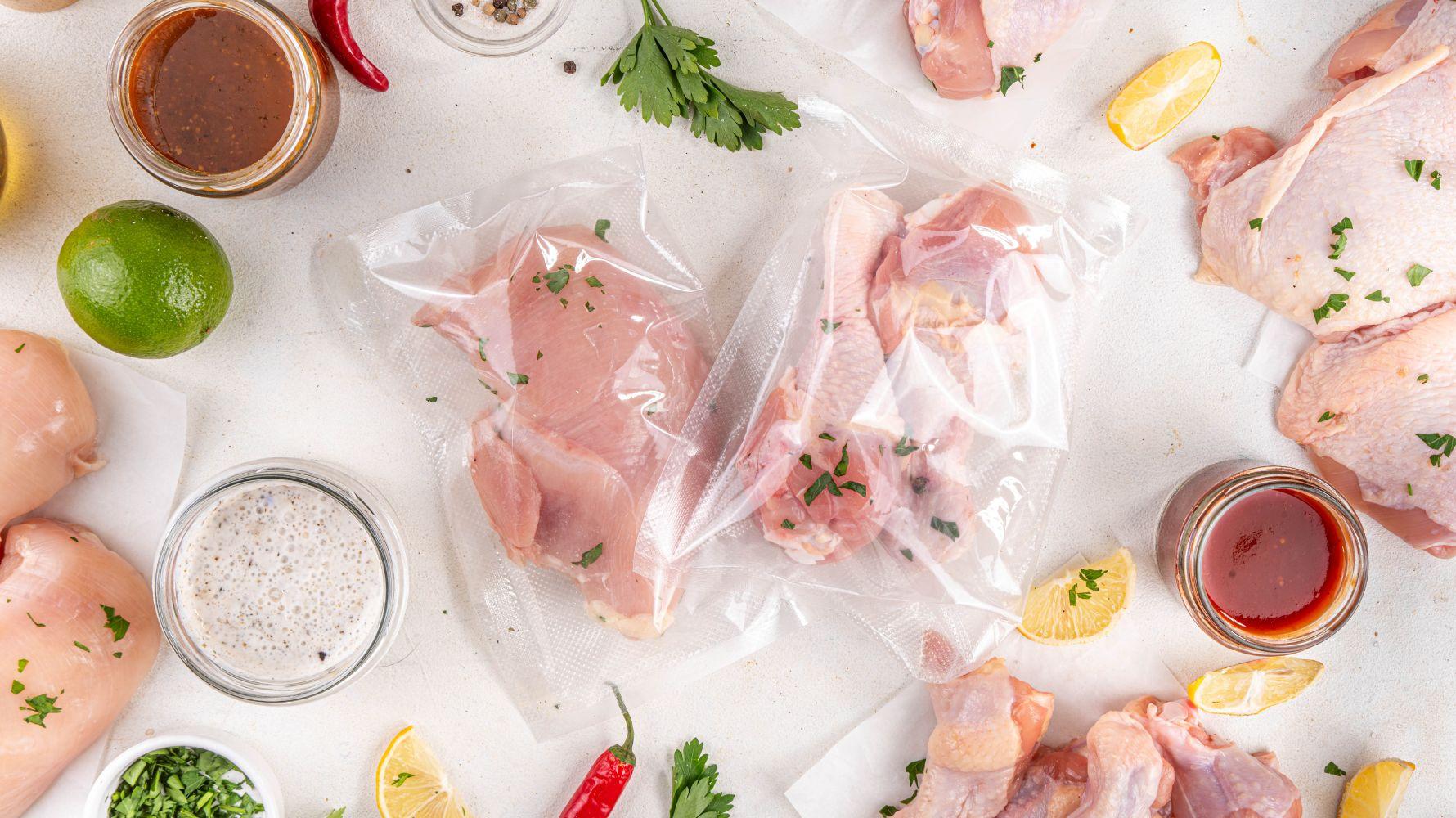
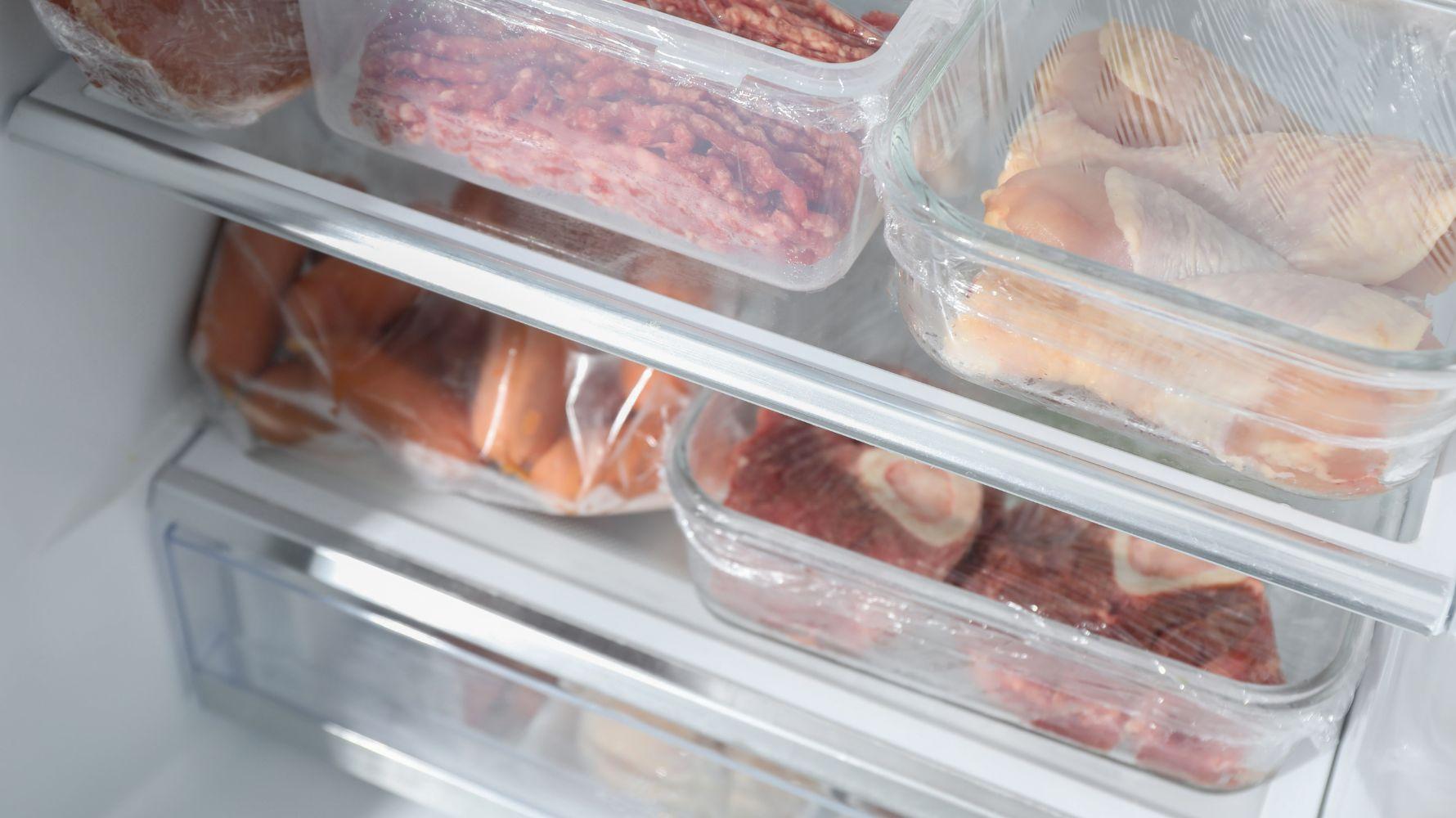
Refrigeration and freezing are two safe methods of preserving chicken meat, but they have different purposes. Refrigeration keeps the product fresh for a limited period, slowing down the development of microorganisms, while freezing significantly extends the shelf life by stopping their development.
The legislative framework
Regulation (EC) No 853/2004
It establishes the specific hygiene requirements for food of animal origin, including the conditions for handling and storing meat.
Regulation (EC) No 852/2004
It establishes the general hygiene rules for operators in the food sector and the obligation to maintain the cold chain.
Regulation (EU) No 1169/2011
It provides the mandatory information that must be included on the label, including the storage conditions and the instructions for use.
How does it work?
Refrigeration
Refrigeration involves keeping the meat at temperatures close to 0°C (usually between 0 and 4°C, according to the manufacturer's recommendations).
At these temperatures:
- the development of microorganisms is slowed down;
- the freshness and characteristics of the product are maintained;
- The product remains raw and must be prepared before consumption.
Refrigeration does not destroy the bacteria, but only slows down their multiplication.
Freezing
Freezing involves storing the product at -18°C or lower temperatures.
At this temperature:
- the water in the meat freezes;
- the development of microorganisms is stopped;
- The natural processes of alteration are considerably slowed down.
After thawing, microorganisms can resume their activity, which is why the product must be handled and prepared in a safe manner.
Rapid Individual Freezing (IQF)
IQF (Individual Quick Freezing) is a modern, premium rapid freezing technology, whereby each piece of product is frozen individually in a very short time.
Rapid freezing causes the formation of very small ice crystals that affect the structure of muscle fibers less than slow freezing. Thus, after thawing, the product retains its texture, juiciness, and appearance better. Additionally, because the pieces are frozen separately, the consumer can use only the necessary amount, without having to thaw the entire package.
How is this aspect managed in the modern poultry industry?
The modern poultry industry uses both refrigeration and freezing, depending on the destination of the product.
The refrigerated products are:
- cooled quickly after processing;
- kept permanently in a refrigerated chain;
- transported and marketed at the temperature indicated on the label.
The frozen products are:
- rapidly frozen to limit the formation of large ice crystals;
- stored and transported at temperatures of no more than -18°C;
- kept permanently frozen until commercialization.
Compliance with the cold chain is essential in both cases. A disruption of it can reduce the shelf life and may affect the safety of the product.
The individually quick-frozen (IQF) products are:
- frozen individually and very quickly, which favors the formation of fine ice crystals and helps to preserve the product's texture after thawing;
- not agglomerated, each piece can be easily separated;
- stored and transported at temperatures of no more than -18°C;
- kept permanently frozen until commercialization, in compliance with the cold chain.
Where do the confusions come from?
One of the most common ideas is that a frozen product is less safe or less nutritious than a refrigerated one. In reality, if the freezing process is done correctly and the cold chain is respected, freezing retains the nutritional value of the meat very well.
Another confusion is that refrigeration and freezing destroy bacteria. In fact, low temperatures only slow down or temporarily stop their development. It is the thermal preparation at the appropriate temperature that contributes to the elimination of pathogenic microorganisms.
Also, many consumers believe that a defrosted product can be re-defrosted at any time. In reality, the re-defrosting of raw meat is not recommended.. Instead, a cooked dish made from defrosted meat can be frozen again after cooling and under hygienic conditions.
In figures
- 0–4°C – the usual range for storing refrigerated meat (according to the manufacturer’s instructions).
- -18°C or less – the recommended temperature for storing frozen products.
- At cooling temperatures, the development of microorganisms is slowed down.
- At freezing temperatures, the development of microorganisms is stopped, without them being eliminated.
In a nutshell
✔ Refrigeration and freezing are safe and complementary methods for preserving chicken meat.
✔ Refrigeration keeps the product fresh for a limited period of time, and freezing extends the shelf life.
✔ Low temperatures do not destroy the bacteria, but only slow down or temporarily stop their development.
✔ Compliance with the cold chain is essential for maintaining food quality and safety.
Did you know that...
TRANSAVIA uses both refrigerated chains for refrigerated products and modern freezing technologies, constantly monitoring the temperature during processing, storage, and transportation.
The uninterrupted maintenance of the cold chain is one of the most important measures through which the freshness, quality and safety of the products are preserved until consumption.
TRANSAVIA uses IQF (Individual Quick Freezing) technology for some of its frozen products, so that each piece of meat is frozen individually, quickly and uniformly. This process helps to preserve the product’s texture and juiciness and gives consumers the flexibility to prepare only the amount they need, reducing food waste.
„3 golden rules for consumers”:
- Always defreeze in the refrigerator, not at room temperature.
- Do not refreeze raw meat after thawing.
- Buy the refrigerated and frozen products at the end of your shopping and transport them as quickly as possible in a thermal insulated bag, especially during the hot season.