What you need to know
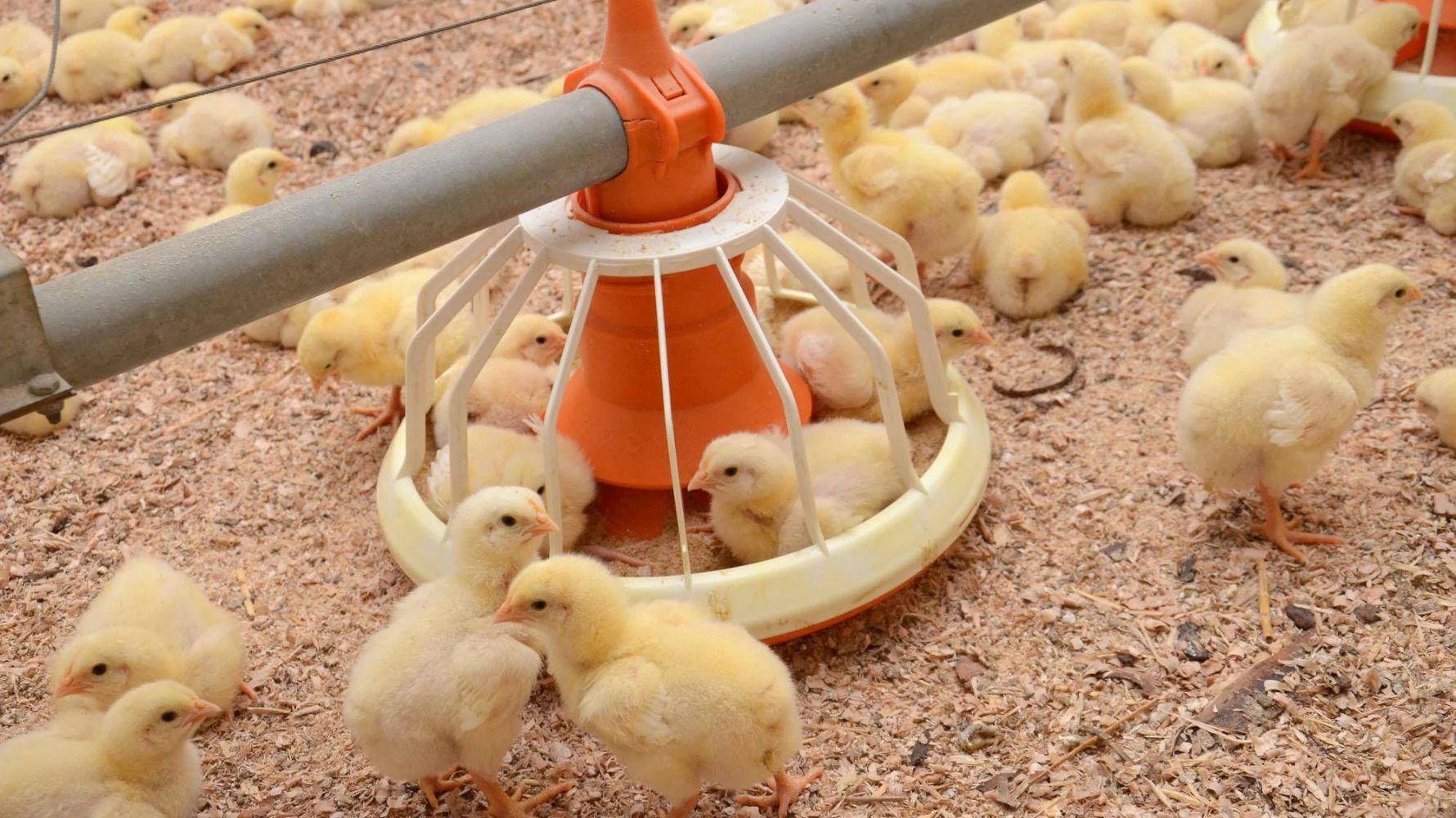
The chicken is not a vegetarian animal, but an omnivore. Naturally, it consumes seeds, plants, insects, worms, and other invertebrates, depending on the available food. However, in modern farming systems, feed is formulated primarily from grains and plant-based protein sources, as these allow the highest level of control over nutrition, biosecurity, and food safety. The goal is not to replicate the diet of the household, but to ensure a complete, consistent, and verifiable diet that meets both the nutritional needs of the birds and the European standards for food safety.
In the European Union, the production and use of feed are regulated by a strict legislative framework that sets requirements regarding composition, hygiene, traceability, and the control of raw materials throughout the entire production chain.
The legislative framework
Directive 2007/43/EC on minimum standards for the protection of calves reared for meat production.
Regulation (EC) No 178/2002 on the general principles of food law and traceability throughout the food chain.
Regulation (EC) No 183/2005 on hygiene requirements for animal feed.
Regulation (EC) No 767/2009 on the placing on the market and use of feed.
Regulation (EC) No 999/2001, as subsequently amended, on the prevention and control of transmissible spongiform encephalopathies and the rules concerning the use of certain animal proteins in animal feed.
How does it work?
The feeds for meat chickens are formulated by specialists in animal nutrition so as to provide the energy and nutrients necessary at each stage of growth.
Typically, they contain:
- cereals (corn, wheat, barley);
- vegetable sources of protein (mainly soy and sunflower meal);
- vegetable oils;
- vitamins and minerals;
- essential amino acids.
The composition is constantly adapted to the age and nutritional needs of the birds, to ensure harmonious development and maintain an optimal state of health.
How is feeding managed in the modern poultry industry?
In the modern poultry industry, the feed for birds is viewed from two complementary perspectives: nutritional value and microbiological safety. Besides providing the necessary energy and nutrients, the feed must be microbiologically safe, as it can represent a potential vector for the transmission of pathogens if not properly produced and controlled.
Therefore, in Romania and in the European Union:
- The raw materials are checked before use;
- feedstuffs are produced in authorized factories;
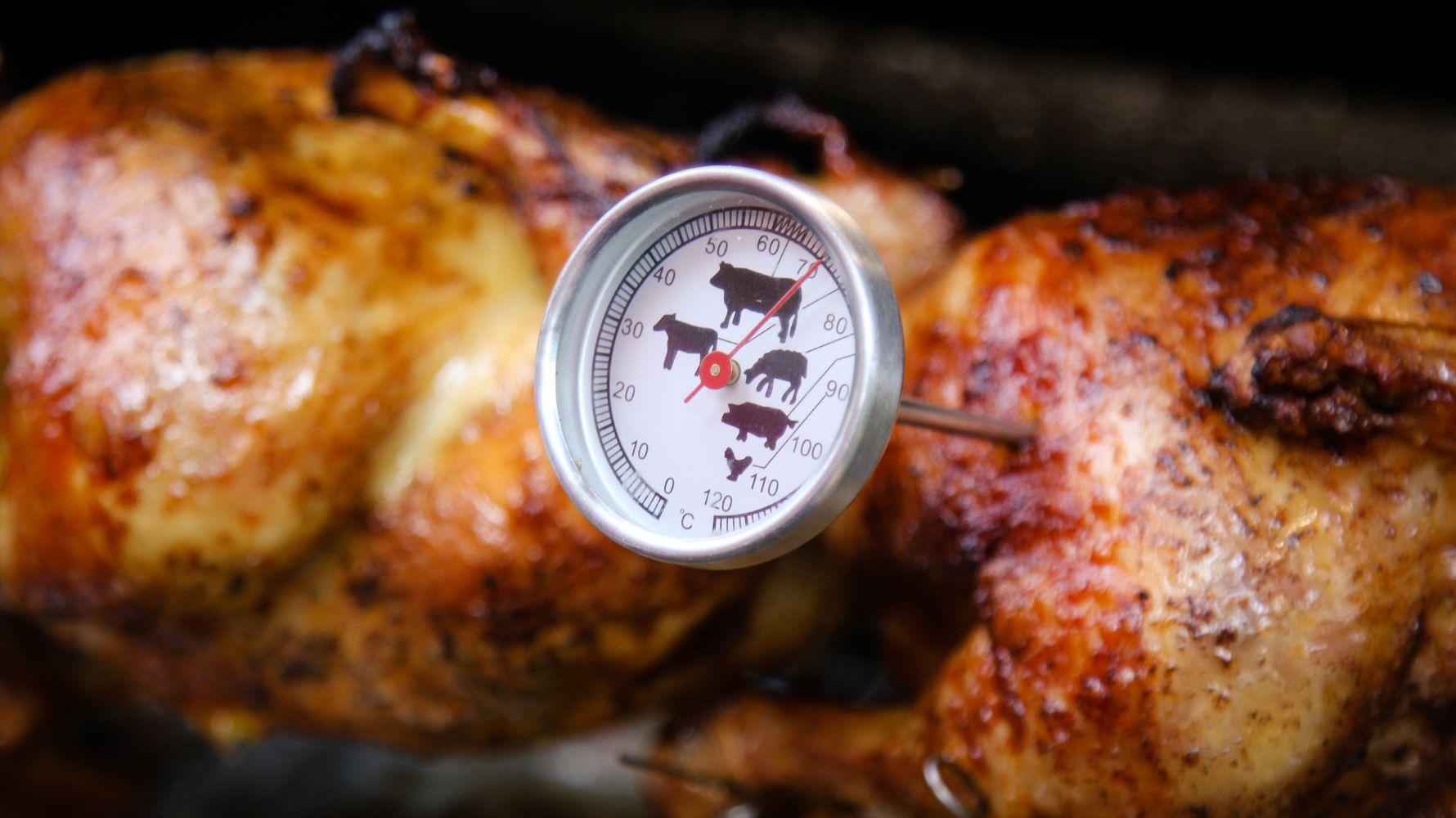
- The granulated feed is thermally treated at approximately 75–80°C, to reduce the microbiological load;
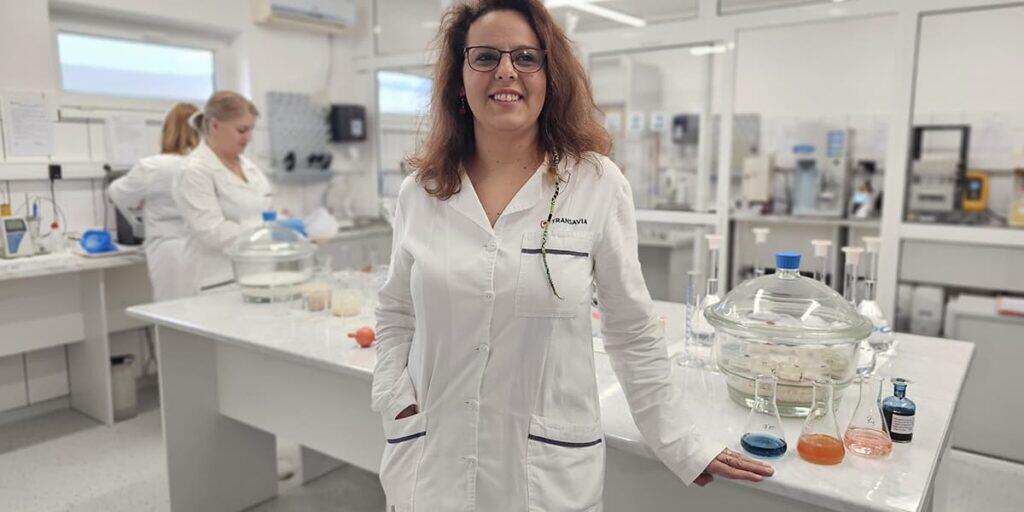
- each batch of raw materials and finished feed is analyzed physically, chemically and microbiologically;
- The manufacturers keep samples for subsequent checks.
In addition, European legislation prohibits the use of antibiotics as growth promoters and sets strict rules regarding the ingredients that can be used in animal feed.
The use of animal proteins in animal feed is strictly regulated in the European Union. The restrictions were introduced after the bovine spongiform encephalopathy (BSE – „mad cow disease”) crisis to prevent the transmission of diseases through the feed chain and to increase the level of food safety.
Currently, in Romania, protein meal of animal origin is not allowed in feed, with the exception of fish meal that is only given in the first 3 weeks; the use of antibiotics as growth promoters; or genetically modified grains or other feed materials. In current practice of raising meat chickens, feed is formulated predominantly from vegetable ingredients, supplemented with vitamins, minerals and amino acids.
Where do the confusions come from?
The fact that the calf is an omnivorous animal is often confused with the way it is fed in modern farms. In reality, these are two different things: from a biological point of view, the calf can consume both plant-based and animal-based food. From a commercial growth perspective, however, feed is formulated primarily from grains and plant-based protein sources, as they provide the best combination of nutritional balance, quality control, biosecurity, and food safety.
This is not a particularity of a specific product, but represents the usual practice in modern meat-poultry farming, based on nutritional recommendations and the requirements of European legislation.
Therefore, the differences between producers are not due to the fact that the feed is based on vegetable ingredients, but rather due to:
- the quality and selection of raw materials;
- the scientific formulation of recipes;
- microbiological control of feed;
- traceability of ingredients;
- the permanent monitoring of the production process.
In other words, the relevant question is not whether feed primarily contains plant ingredients, but how it is produced, controlled, and verified before reaching farms.
In figures
- The main ingredients of the feed for meat chickens are cereals (corn, wheat and barley) and vegetable sources of protein, such as soy and sunflower meal.
- Granulated feed must be thermally treated at approximately 75–80°C to reduce the microbiological load.
In a nutshell
✔ From a biological point of view, the chicken is an omnivorous animal.
In modern farming systems, feed is formulated primarily from grains and plant protein sources, as these allow the highest level of control over nutrition, biosecurity, and food safety.
✔ In the European Union, the ingredients of feed, their production and safety controls are strictly regulated by law.
The difference between producers is not that the feed is based on plant ingredients, but rather the way it is formulated, produced, analyzed, and controlled throughout the entire production chain.
Did you know that...
At TRANSAVIA, the feed for the chicks is produced in its own Combined Feed Plant (FNC), in a completely integrated „from bean to fork” system, from cereals and sunflower seeds grown by its own Vegetable Division. The company produces all the necessary feed in its own factory, equipped with the first feed sterilization plant in Romania. The recipes are developed by specialists in animal nutrition and adapted to each growth stage. Each batch of raw materials and feed is analyzed physically, chemically and microbiologically, and the control extends to the entire production chain, from the cereals grown on its own farms to the feed that reaches the birds. In addition, the feed used by TRANSAVIA is formulated exclusively from ingredients of plant origin and is verified through DNA analyses to confirm the absence of traces of animal origin ingredients. This additional level of control contributes to ensuring the traceability and consistency of the quality and safety standards applied throughout the entire production process.